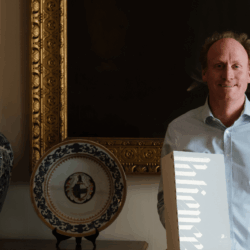
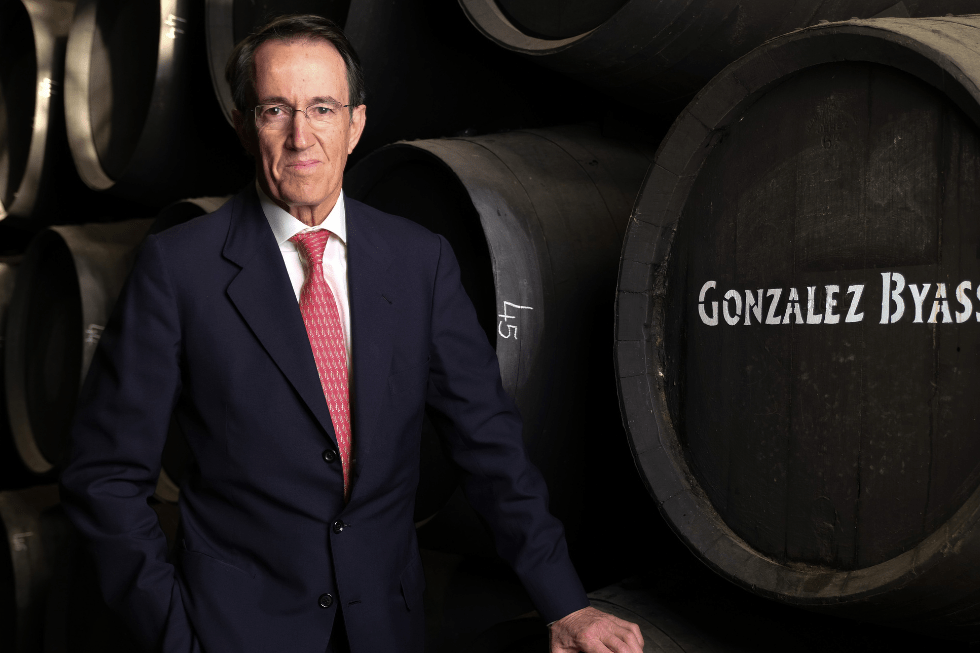
Mauricio González of González Byass speaks to Sommelier Edit about the enduring relevance of Sherry, the power of food pairing, and why sommeliers remain central to connecting today’s drinker with one of the world’s most complex wine categories.
SE: Mauricio, it’s always a pleasure. To begin, I’d like to set the scene. How would you define the mission of González Byass today, and how has it evolved over the past five years?
Mauricio González Gordon: Our mission hasn’t fundamentally changed. We remain a family business, committed to preserving our heritage and core values: quality, innovation, brand-building, sustainability, and creating meaningful experiences.
What has changed is the context in which we operate. The global wine world is more complex, consumer preferences are evolving faster, digital communication is transforming how we connect, and climate change is now a central concern. At the same time, new generations are looking not just for great products, but for authenticity and experience. That makes our role more dynamic: we’re not only producers, but participants in shaping the future of wine and spirits.
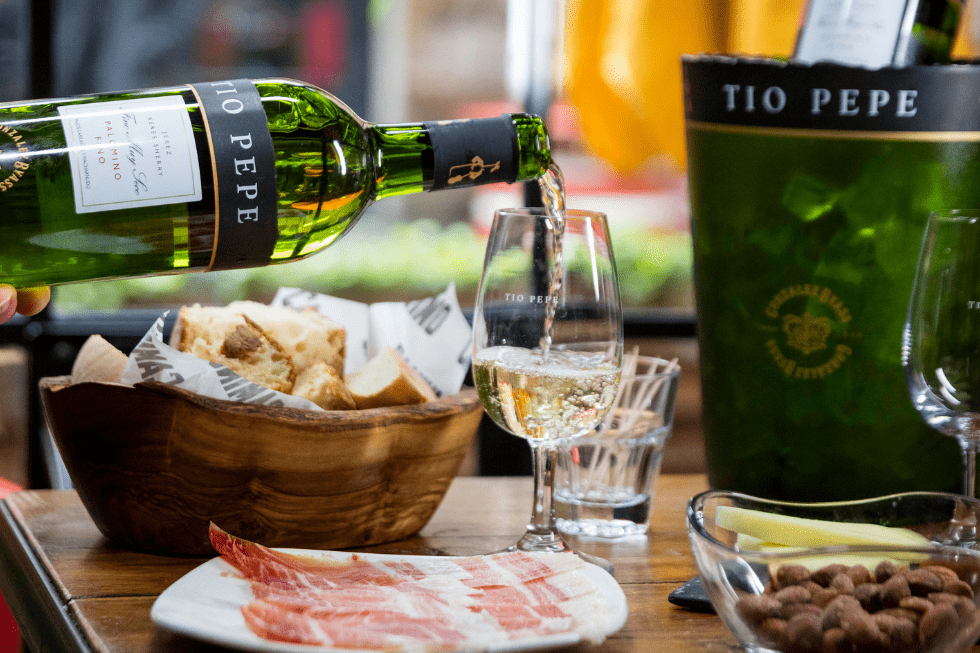
SE: How does that translate into the on-trade? Particularly given generational shifts in how people drink—more moderation, more flexibility, and a broader definition of experience.
MGG: Hospitality has always been central to González Byass. We are brand builders first and foremost, and that requires proximity to the consumer. Something the on-trade delivers uniquely well.
Today, we continue to develop strong, trusted brands, but we are also responding to new consumption patterns. That includes lower-alcohol options, as well as continuing to push quality at the highest level. Even if volume sits in the mid-range, it’s essential that each of our wineries can reach the top of the pyramid producing exceptional wines that define what we’re capable of.
At the same time, we extend this into experiences, both in restaurants and at our wineries. Hospitality is no longer just service it’s immersion.
SE: Where does the sommelier sit within that ecosystem today?
MGG: The sommelier is absolutely central. Wine is a complex category, and for many consumers it can be intimidating. The sommelier helps remove that barrier.
They guide choice, of course, but more importantly they inspire curiosity. A good sommelier doesn’t just recommend a wine they invite you into a deeper understanding of it: the origin, the terroir, the grape, the process. That transforms the experience. Consumers today are more open than ever to discovering new wines, and the sommelier plays a crucial role in that. For us, they are key partners essential in helping people engage with what we do.
SE: Let’s focus specifically on Sherry. From your perspective, what are the real opportunities today?
MGG: Sherry remains one of the great wines of the world unique in its diversity, versatility and identity. But many consumers still don’t fully understand it.
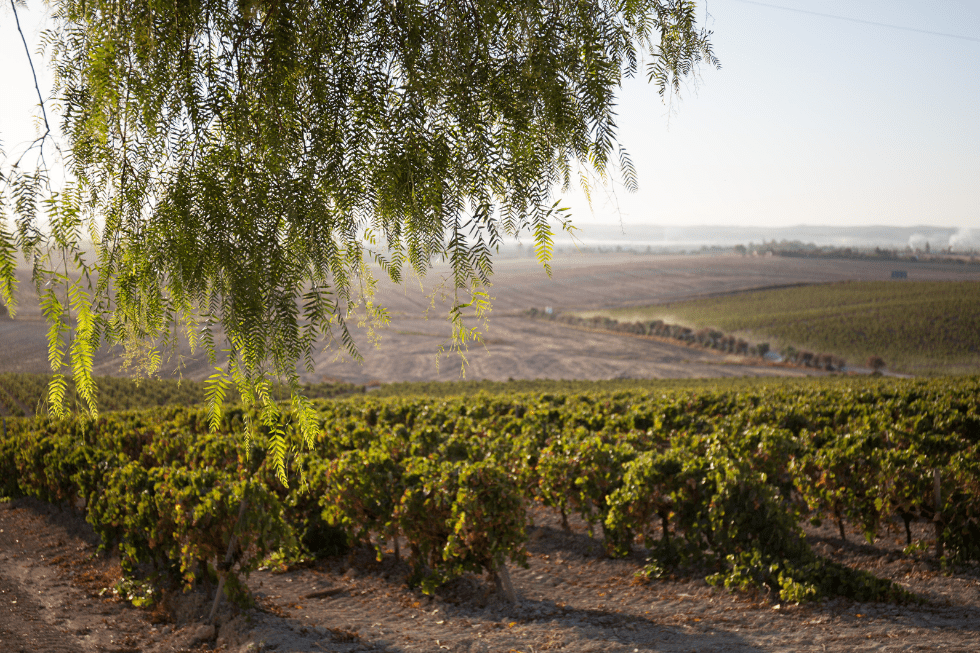
One of the biggest opportunities lies in food pairing. In Jerez, we naturally drink Sherry with food, tapas, seafood, meats, and because of the range of styles, from Fino to Amontillado, Palo Cortado, Oloroso and Pedro Ximénez, the possibilities are almost endless.
It also works incredibly well in by-the-glass formats, which makes it accessible. Initiatives like Copa Jerez, where top chefs pair dishes with Sherry, have been instrumental in demonstrating this at a high level. Another area is mixology. Sherry is very adaptable in cocktails, especially for younger audiences. Through initiatives like the Tío Pepe Challenge, we see how mixologists reinterpret it creatively.
And finally, there’s the cultural dimension. Jerez itself, its history, gastronomy, architecture, and way of life, offers authenticity. Experiencing Sherry in its place of origin is incredibly powerful.
SE: You mentioned earlier the importance of sommeliers. Why are they so critical for Sherry in particular?
MGG: Because Sherry needs explanation. Its uniqueness is its strength, but also its challenge.
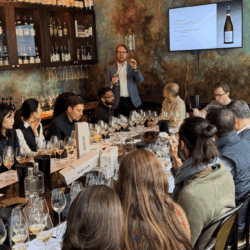
That’s why training is so important. We invest heavily in education programmes, like Sherry Master, to create ambassadors who can communicate its complexity and appeal. Today, communication is no longer about large campaigns. It’s about knowledgeable individuals who can spend time with consumers, explain, and tell the story properly. And no one does that better than a sommelier.
SE: Looking at trends in the on-trade, what are you seeing right now?
MGG: One clear trend is premiumisation: people are drinking less, but better. They are more willing to spend on quality and to explore higher-end wines.
At the same time, moderation is growing. Low-alcohol wines, around 5–8%, are gaining traction, particularly in contexts where people want flexibility without giving up the experience of wine.
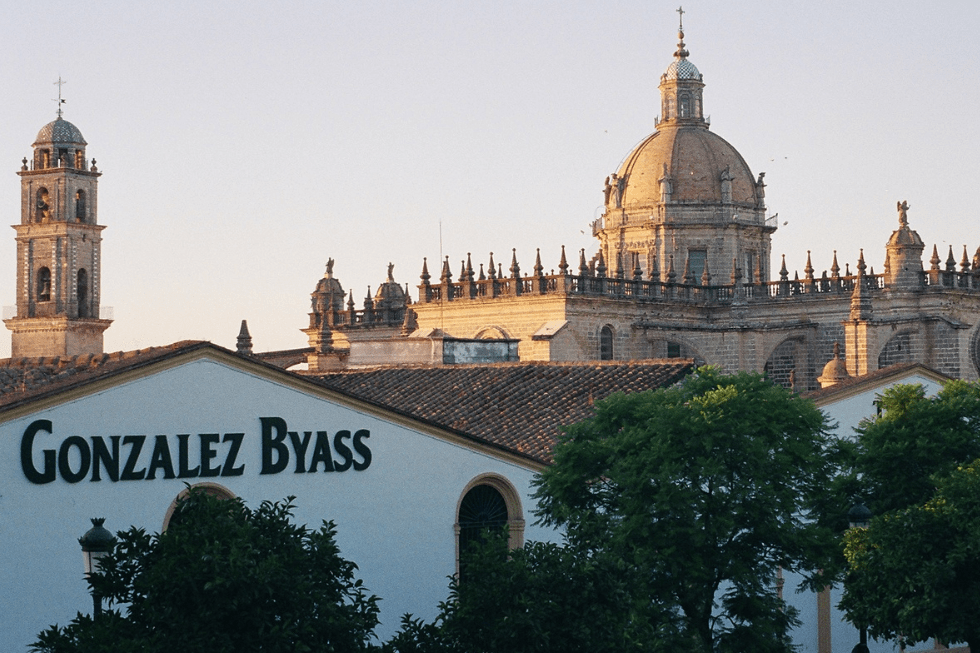
And sustainability is increasingly important. We’re deeply committed to regenerative viticulture and environmental responsibility. Around two-thirds of our vineyards are organic or certified in some way. However, I think the challenge now is communication. Consumers care, but the message isn’t always reaching them clearly.
SE: Finally, on a more personal note; your ideal Sherry pairing?
MGG: That’s a difficult question, there are so many possibilities. Personally, I love starting with a Fino alongside seafood like gambas, fresh fish. For more challenging ingredients like asparagus or artichokes, an Amontillado works beautifully, balancing the bitterness.
With tuna, especially almadraba tuna, we might move towards an older Amontillado or even a Palo Cortado. And for richer dishes like oxtail, Oloroso is ideal. Then, of course, for dessert Pedro Ximénez with ice cream or chocolate. The combinations really are endless.