
Few names in the Northern Rhône carry the gravitas of Paul Jaboulet Aîné. Delphine Frey Prost talks about it’s renaissance and returning to its roots.
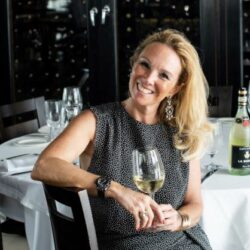
Rhône reds can be the unsung heros of a wine list. The diversity of styles and complexity of top wines are the defnition of class and provide great alternatives to other egions where prices are going up. Delphine Frey-Prost at Paul Jaboulet-Ainé has been part of defining a new era for this legendary brand. She is adamant that the Jaboulet’s links to sommeliers and hospitality.
“Sommeliers are sector is absolutely vital to the identity and visibility of Paul Jaboulet Aîné. Restaurants, wine bars and hotels are where our wines come to life – where stories are told, pairings are made, and emotion is added to every glass,” she enthuses.
“For a house so deeply rooted in tradition and terroir, it’s essential to remain connected with the sommeliers and chefs who bring our work to the table, quite literally. These partners are our frontline ambassadors – shaping the experience of our wines in dynamic and evolving settings. Hospitality sector is where real brand building happens.”
The soaring prices of Burgundy have positioned the Northern Rhône as a more accessible yet equally compelling alternative.
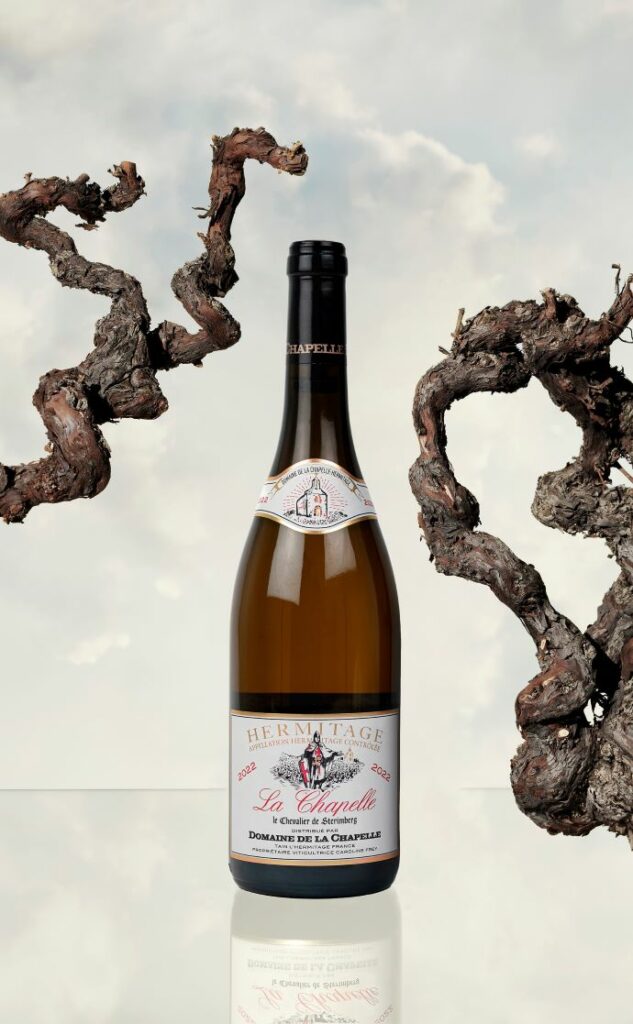
Rhône whites—particularly the Hermitage Blanc “Chevalier de Stérimberg”—showcase Marsanne and Roussanne in their most refined form, balancing texture with mineral tension. Jaboulet has reasserted its place among the greats of the Northern Rhône. Frey Prost explains, “We’re seeing a growing appetite for origin-driven wines, and there’s a renewed interest in Rhône, particularly among younger wine professionals and collectors. At the top end, there is a clear movement toward authenticity, precision, and heritage – values that align closely with our estate.”
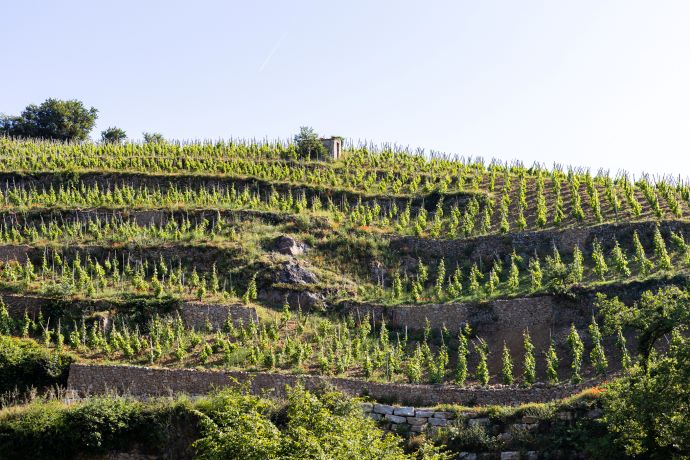
Biodynamic farming, parcel-specific vinification, and a renewed focus on expressing the soul of Hermitage, Cornas, and Crozes-Hermitage, the estate has become a beacon for origin-driven wines that speak fluently to sommeliers and their guests.
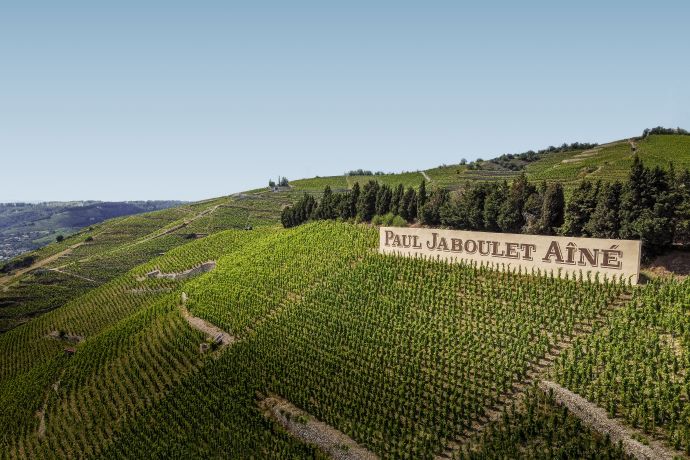
The crown jewel, Hermitage La Chapelle, is a masterclass in Syrah: structured, age-worthy, and expressive of the granite slopes of Le Méal, Les Bessards, and La Croix. But don’t overlook the Crozes-Hermitage “Domaine Thalabert”, with 50-year-old vines on alluvial soils, offering exceptional value and complexity.
Jaboulet’s connection to the sommeliers and hospitality runs deep. Delphine Frey-Prost, Head of Marketing & Communication, explains, “Restaurants, wine bars and hotels are where our wines come to life – where stories are told, pairings are made, and emotion is added to every glass. For a house so deeply rooted in tradition and terroir, it’s essential to remain connected with the sommeliers and chefs who bring our work to the table, quite literally.”
Sommeliers are our interpreters,” Frey-Prost says. “They translate the complexities of our terroirs and vintages into meaningful, memorable experiences for guests.
Age and finesse
This philosophy shapes not only how Jaboulet engages with the trade, but how it crafts its wines. While the estate’s primary goal is to express place and vintage, Frey-Prost notes that they are “absolutely mindful of the hospitality environment.” Qualities like balance, finesse, and ageability are central to Jaboulet’s winemaking ethos—qualities that sommeliers prize when curating lists and guiding guests.
Jaboulet retains 20% of its red collection wines each year after bottling, releasing them later once they’ve reached optimal maturity for restaurant service. It’s a thoughtful gesture that reflects the estate’s understanding of the sommelier’s role—not just as a server of wine, but as a storyteller, educator, and curator. “Sommeliers are our interpreters,” Frey-Prost says. “They translate the complexities of our terroirs and vintages into meaningful, memorable experiences for guests.”
Still, challenges remain. Visibility is a persistent hurdle for the Northern Rhône, which, despite its world-class terroirs, often plays second fiddle to Bordeaux and Burgundy on global wine lists. For sommeliers, this presents both a challenge and an opportunity: to introduce guests to appellations like Hermitage, Cornas, and Saint-Joseph, and to illuminate the nuance and depth of these regions.
The soaring prices of Burgundy have positioned the Northern Rhône as a more accessible yet equally compelling alternative. At the heart of this movement is La Chapelle, Jaboulet’s legendary Hermitage vineyard. Revered for producing one of the greatest wines of the 20th century—the 1961 vintage—La Chapelle is more than a plot of land; it’s a cultural monument. “Legacy isn’t something we inherit,” Frey-Prost reflects. “It’s something we build, year by year, bottle by bottle.”