Tasting with Dog Point’s Matt Sutherland we discover how Marlborough wines are developing restraint and texture.
Dog Point’s Sauvignon Blanc offers a striking alternative to the region’s stereotype. Rather than passionfruit and tropical exuberance, it leans towards citrus, flint and minerality, with a fine textural grip that gives the wine real presence at the table.
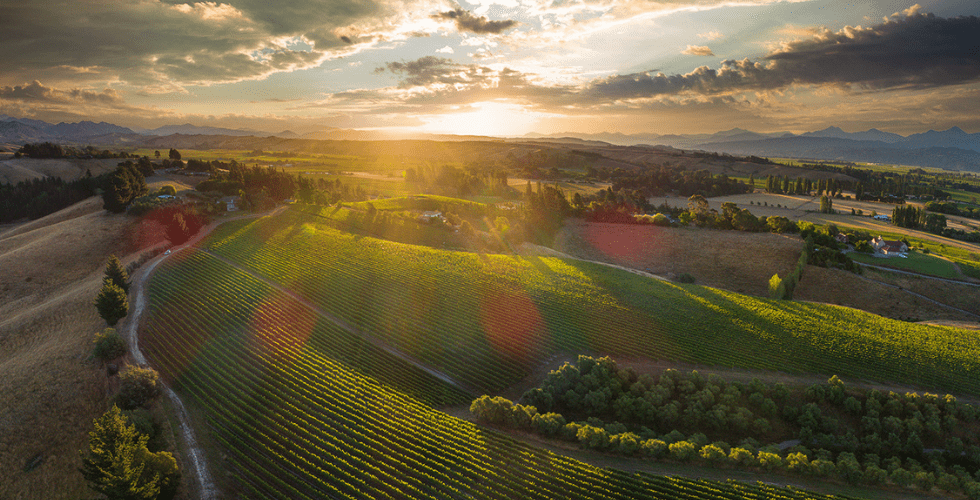
Sutherland credits Marlborough’s combination of maritime influence, intense sunlight and cool nights for delivering natural concentration and freshness. “The result is freshness without the need for acid addition,” he says. Whole-bunch pressing adds subtle phenolic texture, making this a Sauvignon Blanc that works with food rather than competing for attention. Seafood, shellfish, goat’s cheese and herb-led vegetable dishes are natural partners.
Bottle age adds another layer, bringing delicate sherbet notes while preserving the wine’s freshness and mineral backbone. In doing so, Dog Point offers a compelling reminder that Sauvignon Blanc can be as much about texture and longevity as aromatic intensity.
Section 94: Sauvignon Blanc for Chardonnay Drinkers
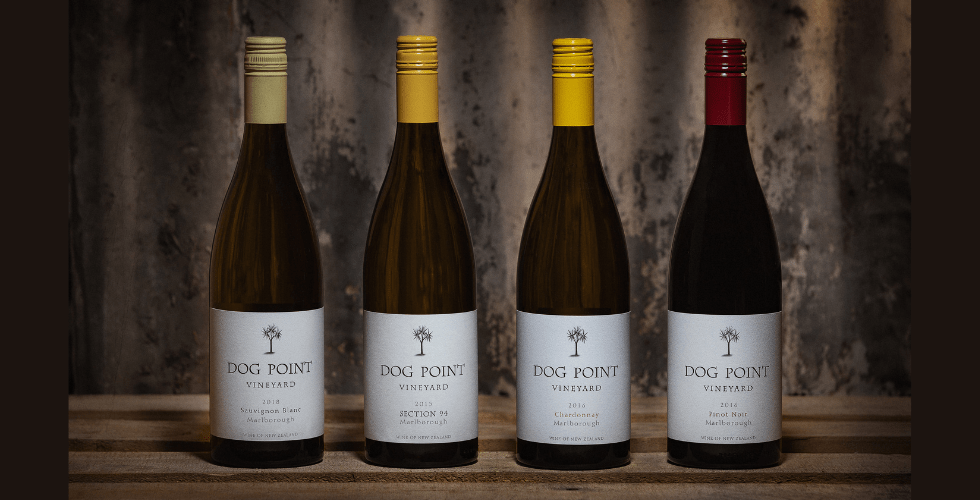
If the estate Sauvignon Blanc challenges expectations, Section 94 takes things much further. Produced from a single vineyard, the wine undergoes wild fermentation and spends 18 months in older French oak before extended bottle ageing. The result bears little resemblance to conventional Marlborough Sauvignon Blanc. In youth, its reductive character can be controversial, showing struck flint, savoury earthiness and notes that some tasters find reminiscent of aged cheese. Given time, however, those edges soften, revealing white flowers, honeysuckle, elderflower and a distinctive mineral complexity.
Sutherland credits Marlborough’s combination of maritime influence, intense sunlight and cool nights for delivering natural concentration and freshness.
What makes Section 94 so fascinating is the way it balances varietal freshness with the texture and savoury depth more commonly associated with serious Chardonnay. Blind tasted, many would struggle to identify it as Marlborough Sauvignon Blanc. The wine’s breadth also expands its gastronomic possibilities. Turbot with beurre noisette, grilled mackerel, guinea fowl and washed-rind cheeses all sit comfortably within its range.
For sommeliers, it remains one of New Zealand’s most convincing examples of Sauvignon Blanc treated as a fine wine rather than simply an aromatic variety.
Chardonnay:Tension and Depth
Dog Point’s Chardonnay provides further evidence that Marlborough’s strengths extend beyond Sauvignon Blanc. Made from Mendoza and B95 clones grown on low-yielding hillside vineyards, the wine combines concentration with freshness. Clay-rich soils contribute depth and texture, while barrel fermentation, full malolactic conversion and extended lees ageing build complexity.
The use of new oak is deliberately restrained. Rather than sweetness or toast, it contributes structure and subtle detail. The resulting style is generous without becoming heavy. Stone fruit and citrus flavours are framed by savoury notes, flinty minerality and a bright acid line that gives the wine energy and precision. Under screwcap, the wine develops slowly, gaining hints of hazelnut and biscuit while retaining freshness. It is a Chardonnay that rewards patience but remains approachable throughout its evolution.
At the table, its combination of weight and acidity makes it particularly versatile. Turbot, Dover sole, roast chicken with morels and dishes featuring celeriac or Jerusalem artichoke all play to its strengths.
Dog Point’s Chardonnay provides further evidence that Marlborough’s strengths extend beyond Sauvignon Blanc.
Pinot Noir with Character
Dog Point’s Pinot Noir may receive less attention than their white wines, but it is no less distinctive. Drawn largely from older hillside vineyards with clay-influenced soils, it emphasises detail over power. Around 30% whole bunches are retained during fermentation, while extraction is kept deliberately gentle through once-daily plunging. The wine then spends around 18 months in barrel.
The result is a Pinot Noir built on red cherry, wild strawberry and floral aromatics, layered with spice, dried herbs and earthy undertones. The clay soils contribute savoury depth and a gentle tannic framework without sacrificing elegance.
Food pairing comes naturally. Roast duck, game birds, pork and mushroom dishes all complement the wine’s balance of fruit, freshness and savoury complexity. More importantly, it reinforces a broader point: Marlborough is capable of producing Pinot Noir with genuine finesse and individuality.
Looking Ahead
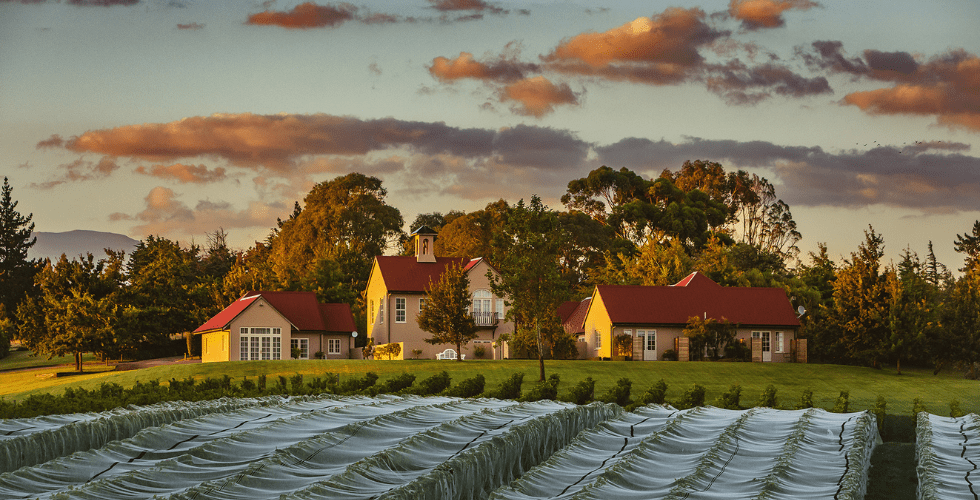
As climate change reshapes wine regions around the world, Marlborough faces the challenge of maintaining the freshness and aromatic precision that helped establish its reputation. For Sutherland, resilience starts in the vineyard. Organic farming, biodiversity and soil health are not simply environmental initiatives but practical tools for adapting to changing conditions. Warmer seasons and greater weather variability will demand ongoing adjustments, both in the vineyard and the cellar.
The wider conversation around New Zealand wine is also changing. Increasingly, attention is shifting from grape variety alone to questions of farming, site, vine age and longevity. Dog Point sits squarely within that movement. Its wines demonstrate that Marlborough is not defined by a single style of Sauvignon Blanc but by a range of expressions shaped by site and philosophy.
For sommeliers, that may be the most important takeaway. Beyond the familiar tropical-fruit stereotype lies a region capable of producing wines of nuance, texture and ageworthiness. Dog Point is demonstrating exactly what that looks like.