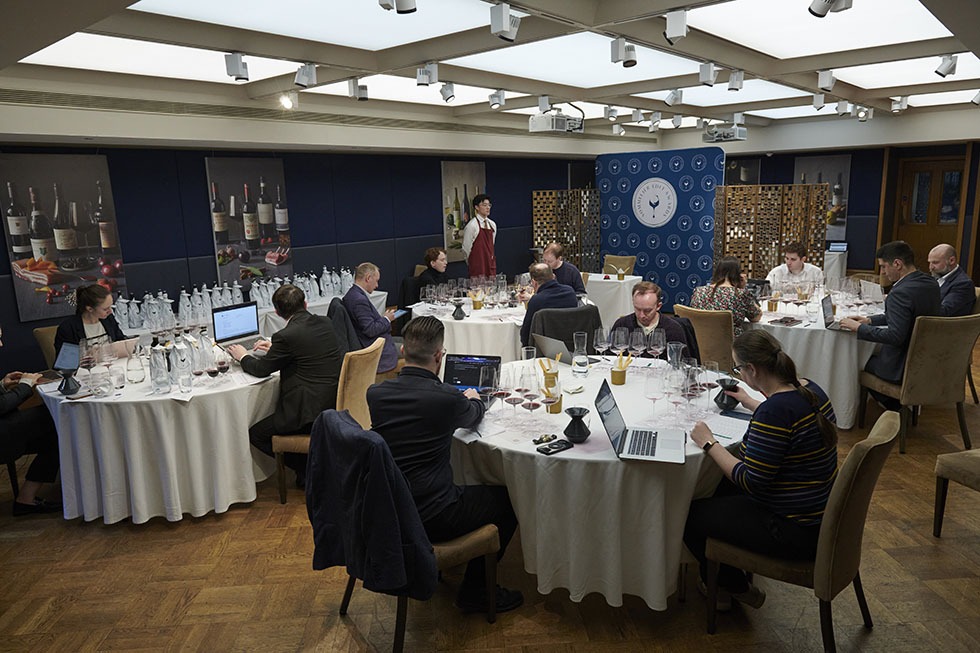
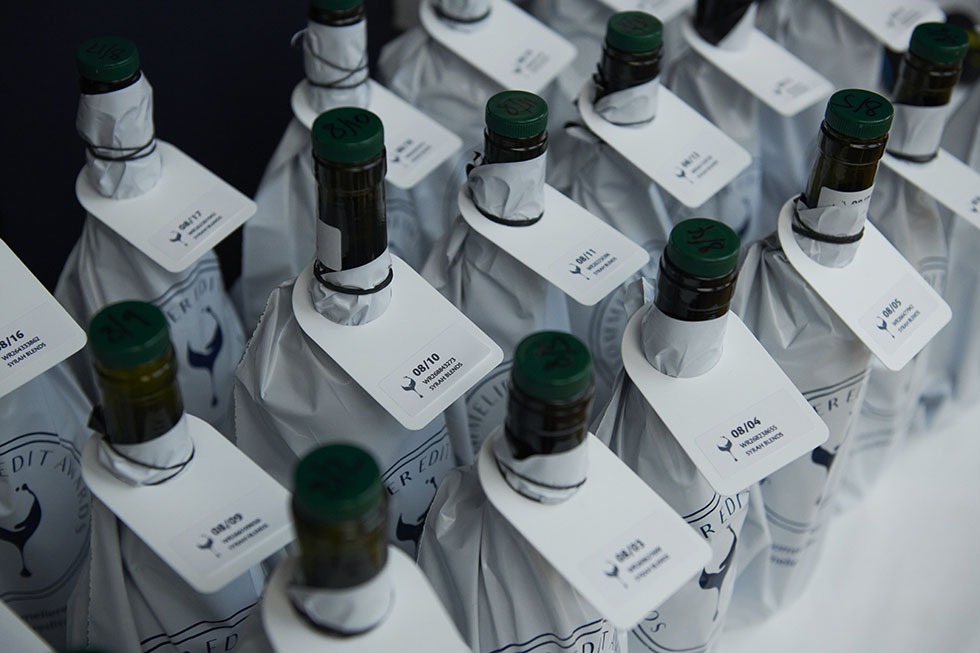
A collection of the UK’s leading sommeliers, led by Sarah Jane Evans MW, explored a wide range of wines from Roussillon, tasting blind to discover and award wines of the highest quality
words by Sarah Jane Evans MW
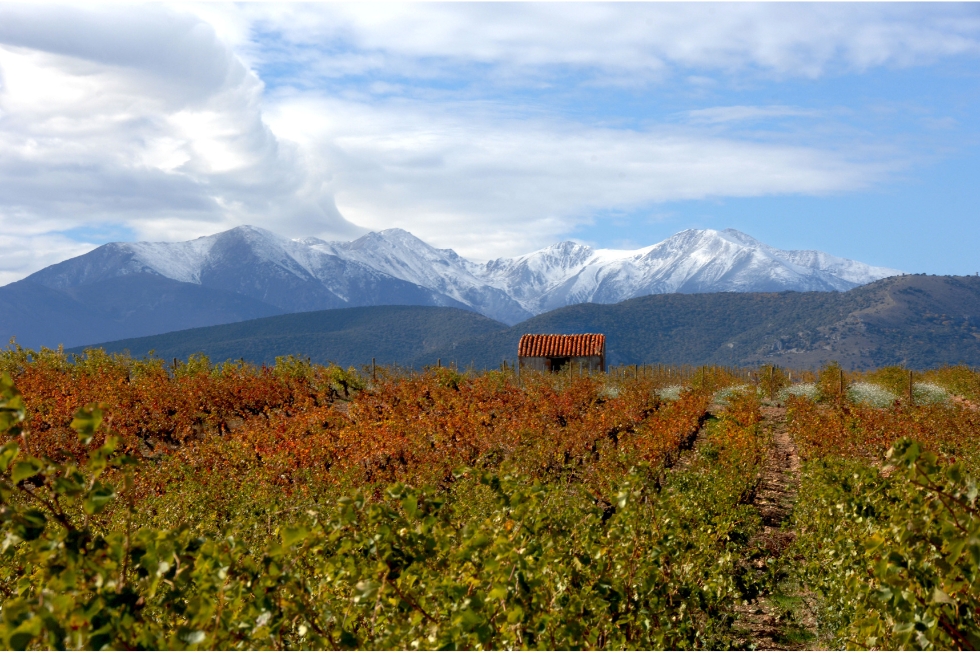
Roussillon: it’s a fine wine region hiding in plain sight. It’s the other half of Languedoc-Roussillon, but that’s not a great help. Where is it? Between the Mediterranean and the mountains, and in the south bordering Spain. There are some 50 Villages, as well as an important IGP category. What adds to the potential for confusion is the fact that we are in blends country: the red grapes include Grenache, Mourvèdre, Carignan, Syrah, Lledoner Pelut (‘Hairy’ Grenache), and for the whites, Grenache Blanc, Roussanne, Grenache gris, Vermentino, Macabeo, Roussanne. It’s a glorious mosaic of dry wines.
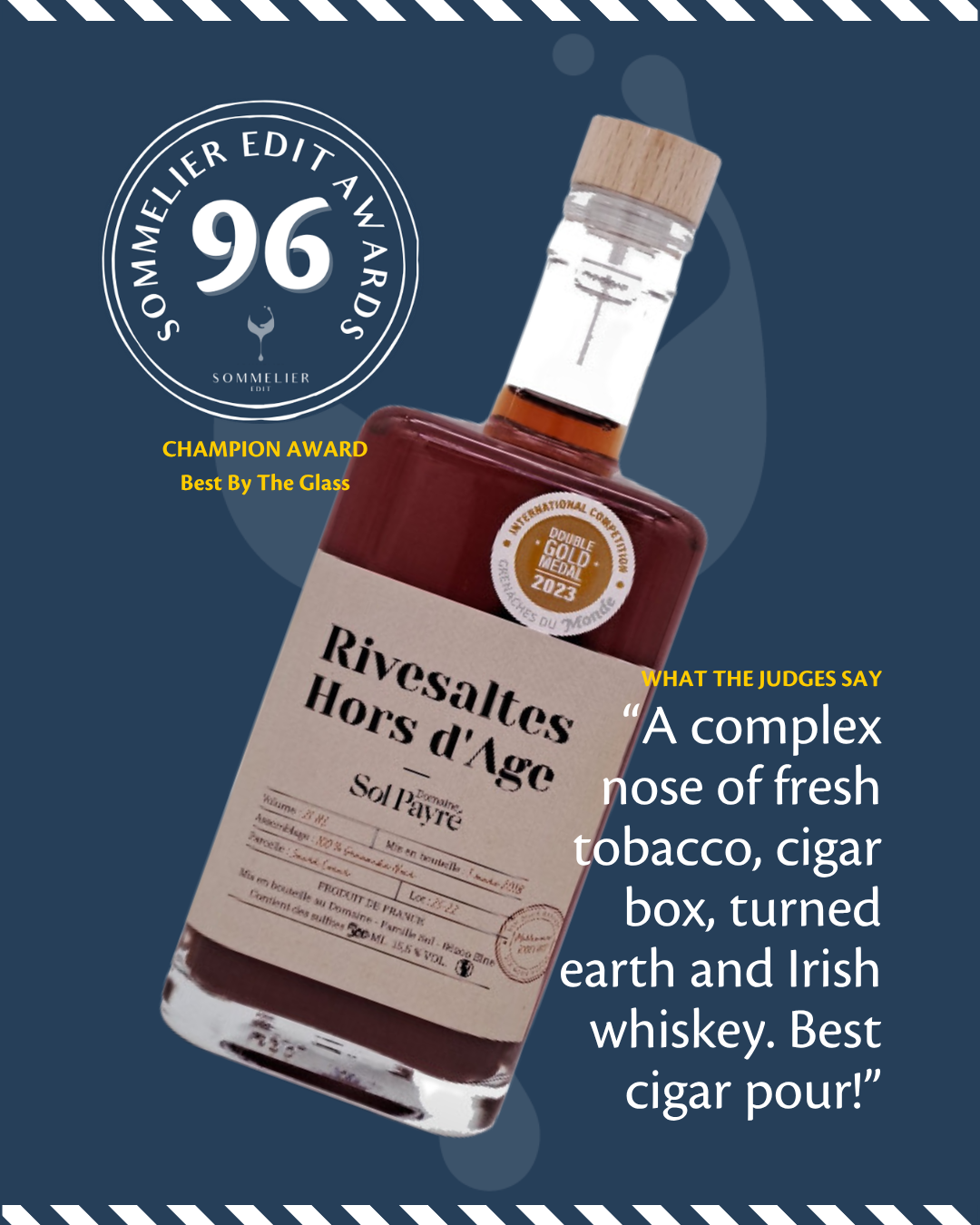
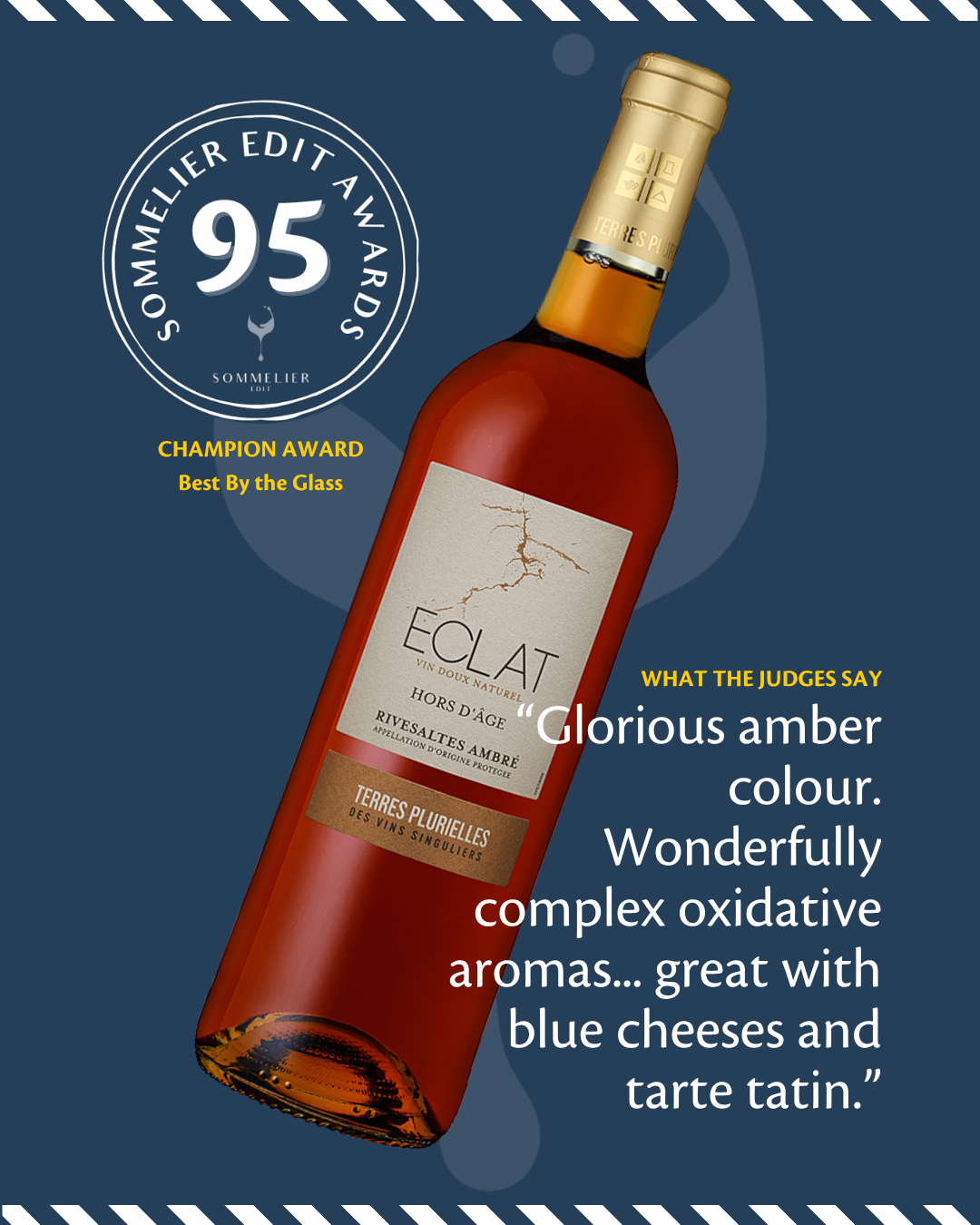
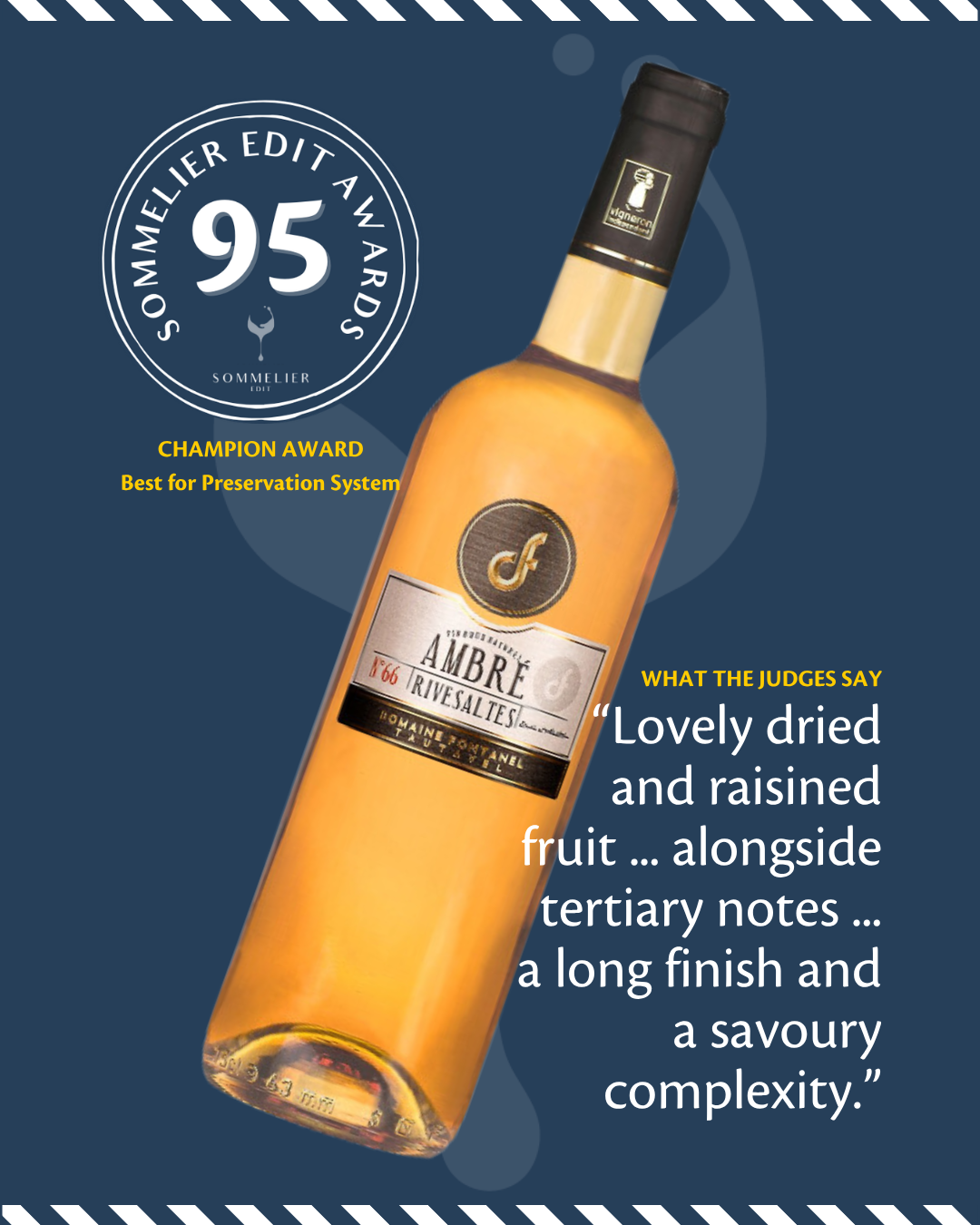
Let’s not forget the Muscats which is where it all began. Above all, Roussillon is home to outstanding sweet and rancio wines: the Vins Doux Naturels. Rivesaltes, Banyuls, Maury: it was no surprise that the arrival of the golden flight of Rivesaltes in the SommEdit Wines of Roussillon tasting was greeted with enthusiasm. It was in Roussillon in the late 13th century that Arnaud de Villeneuve discovered how to stop fermentation by adding alcohol. The result was these wonderfully ripe, honeyed and long-lived sweet wines. These Roussillon Muscats gained their appellations in the 1950s before the dry wines. Today the market for them may be shrinking but they remain exceptional by the glass offerings. Chill them lightly, and think about apricot tarte tatin, roasted figs, almond desserts, and of course chocolate.
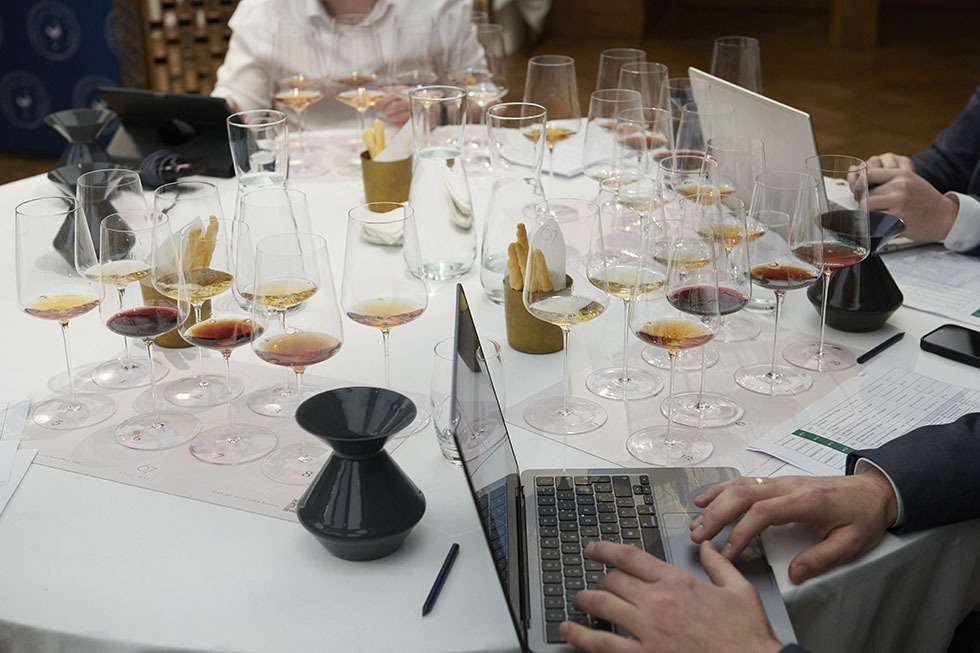
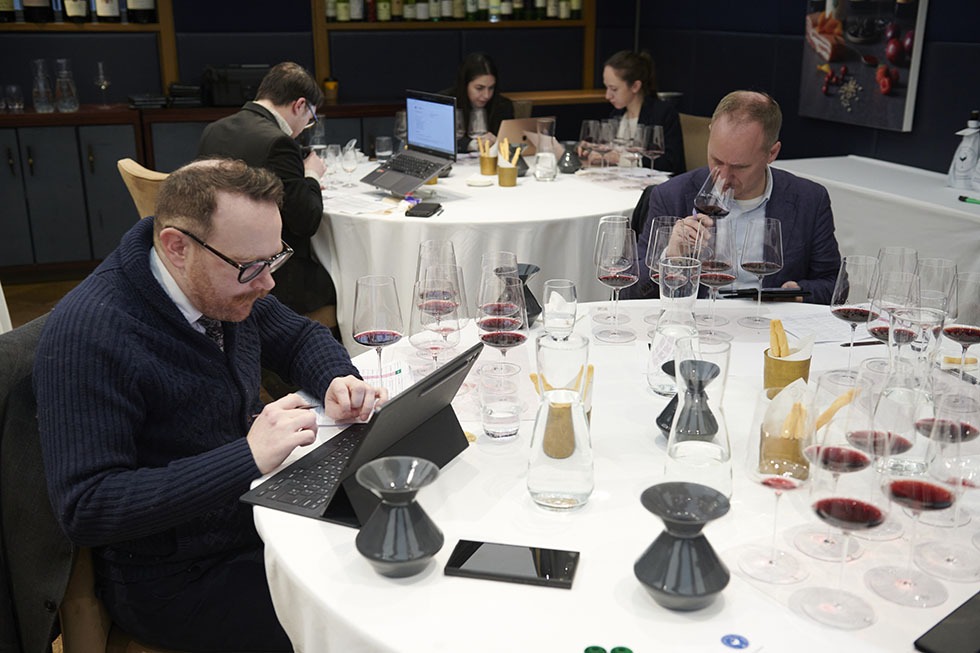
In terms of dry white wines Macabeo (Rioja’s Viura) and Grenache Blanc and Gris dominated the tasting. Grenache is becoming very popular as a variety that is all about texture, rather than simply fruit. Macabeo has a poor reputation as a drab style, but viticulture is changing all that. Only one white gained 95 points and it was a deserving winner, expressing the new styles of Roussillon white. From M. Chapoutier the Bila-Haut Occultum Lapidem 2020, a blend of Grenache Blanc, Grenache Gris and vermentino, 70% aged in stainless steel and 30% in demi-muids, and with no malolactic fermentation, scored highly for its freshness and complexity. Its partner, the Occultum Lapidem Rouge (Syrah, Grenache, Carignan) came close with 92 points. Roussillon has its rosés, though they are less common than the other side of the Mediterranean basin. Here you may find Mourvèdre and Cinsault playing a part.
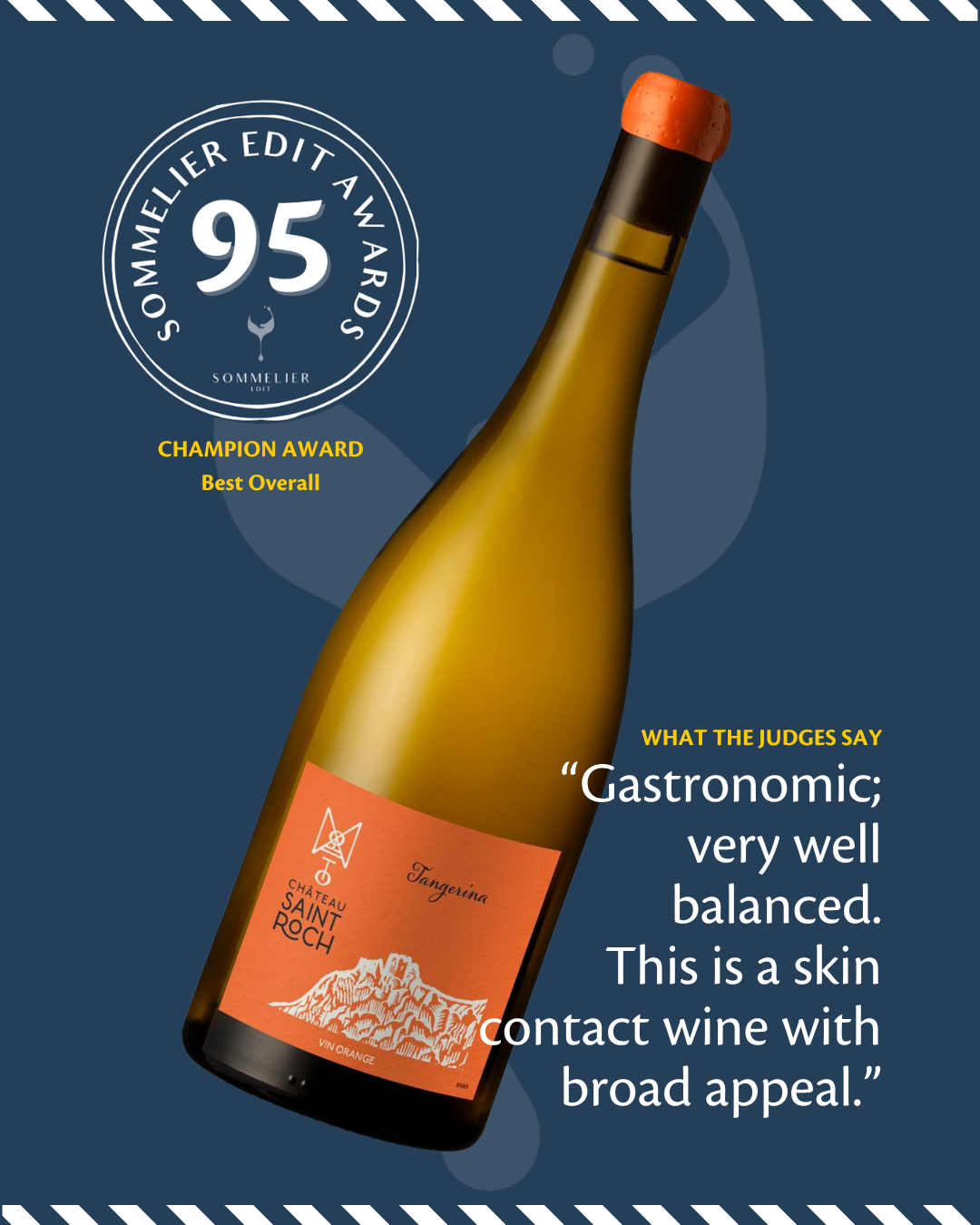
There was only one orange wine in the tasting, the appealingly packaged and named Tangerina. It’s a Cotes Catalanes IGP, skin-contact, Grenache blend from Chateau la Roch. Here’s to more where that came from.
Roussillon’s reds pay exploration
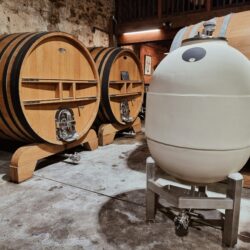
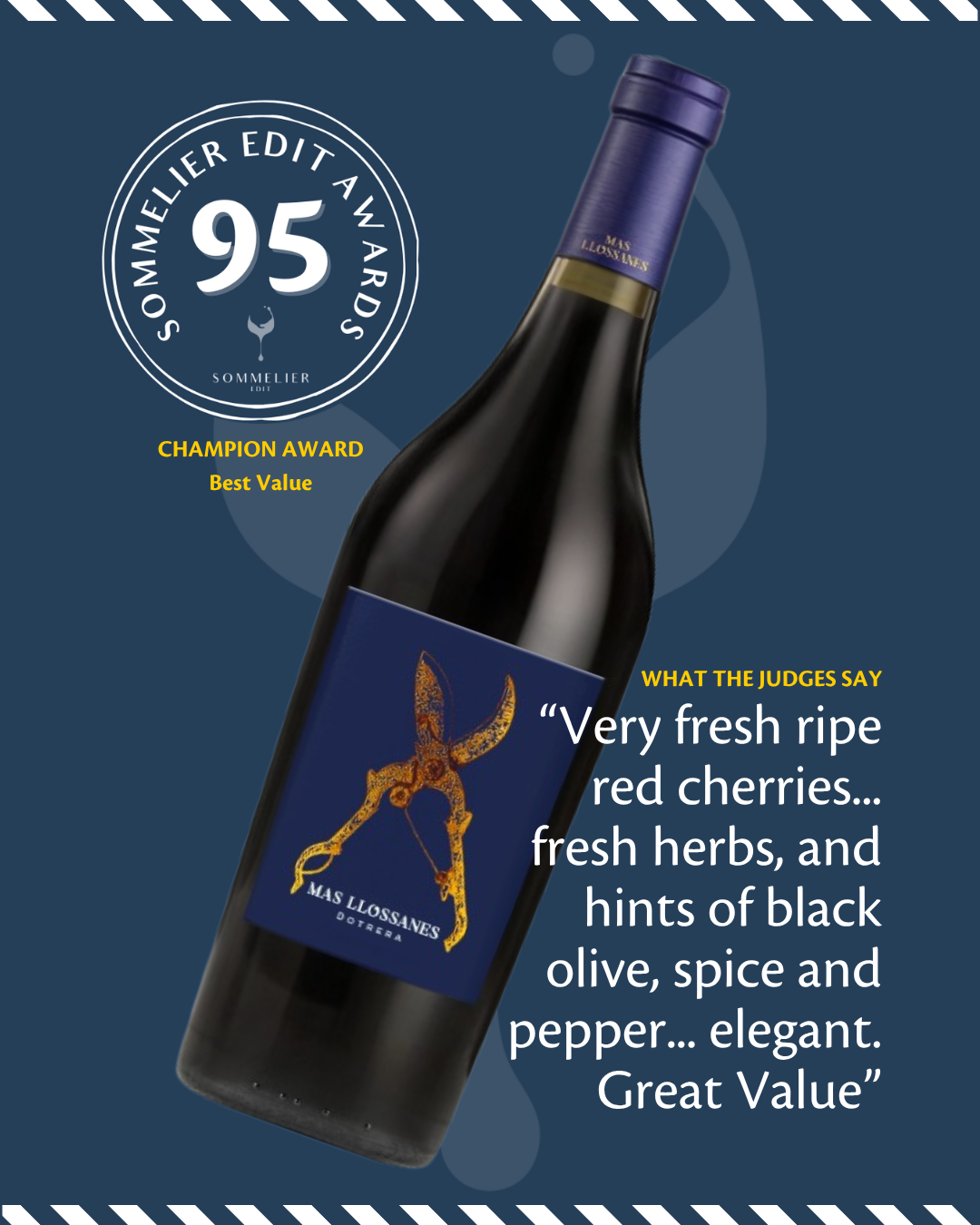
The diversity of terroirs, aspects and elevations – and of committed individuals making the wines – means that there is plenty of individual characterful wine on offer when building a list. As the tastings showed, there are flavours of Roussillon reds to suit every kitchen and every style of dining. There are classic oak-aged blends for formal white tablecloth dining. However for pure expression of fruit there are wines fermented and aged in stainless steel and others in concrete, but there was also a growing collection of wines aged in amphora. The region’s vines do not lack fruit intensity, whether the black fruit and pepper of Syrah, the blue-fruited crunch of Carignan, or the broad, perfumed elegance of Grenache. Add to this originality, at a time when everyone is looking for authenticity, the wines have stories, of family business going back generations, of monastery origins, of wine merchants turning winemakers.
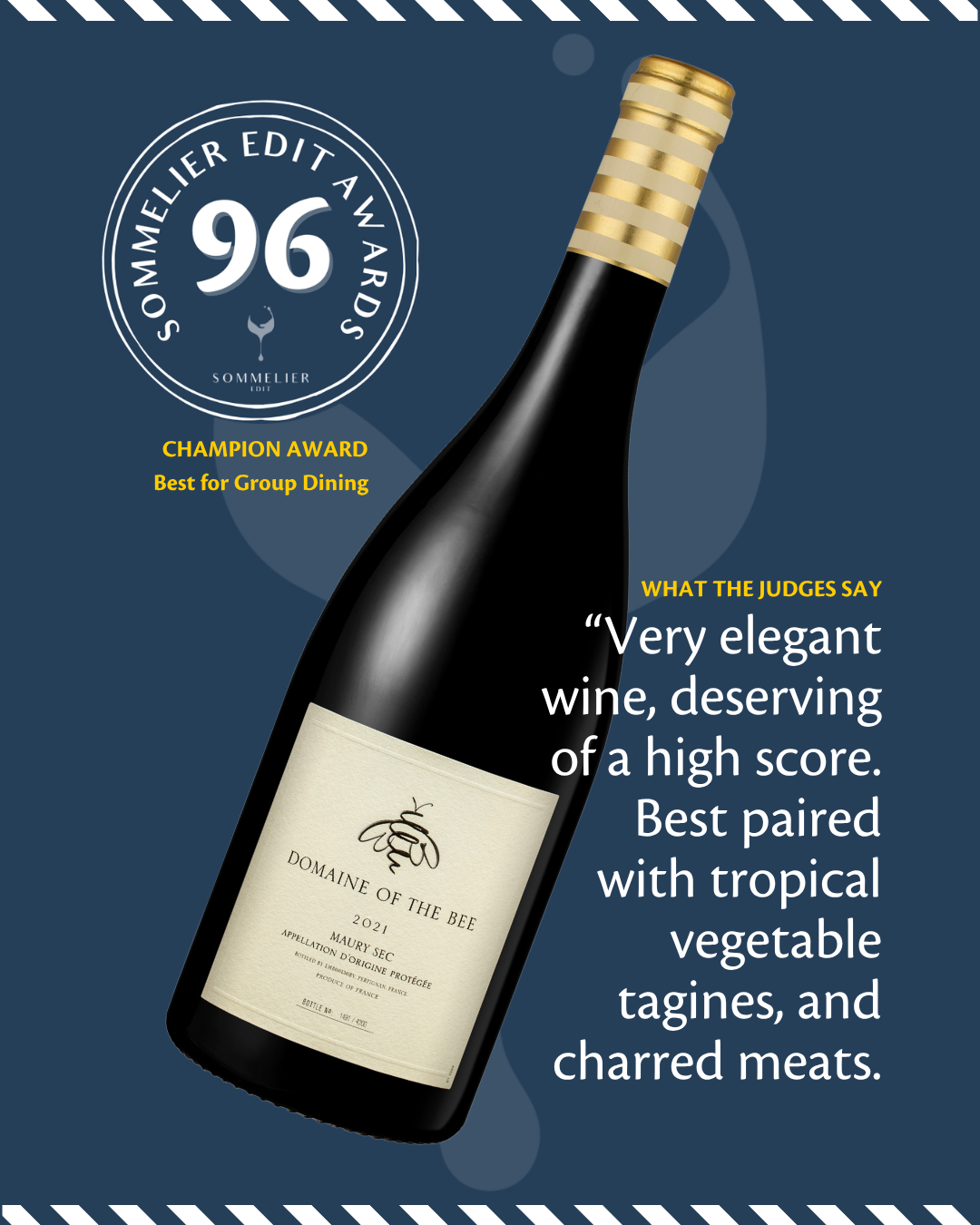
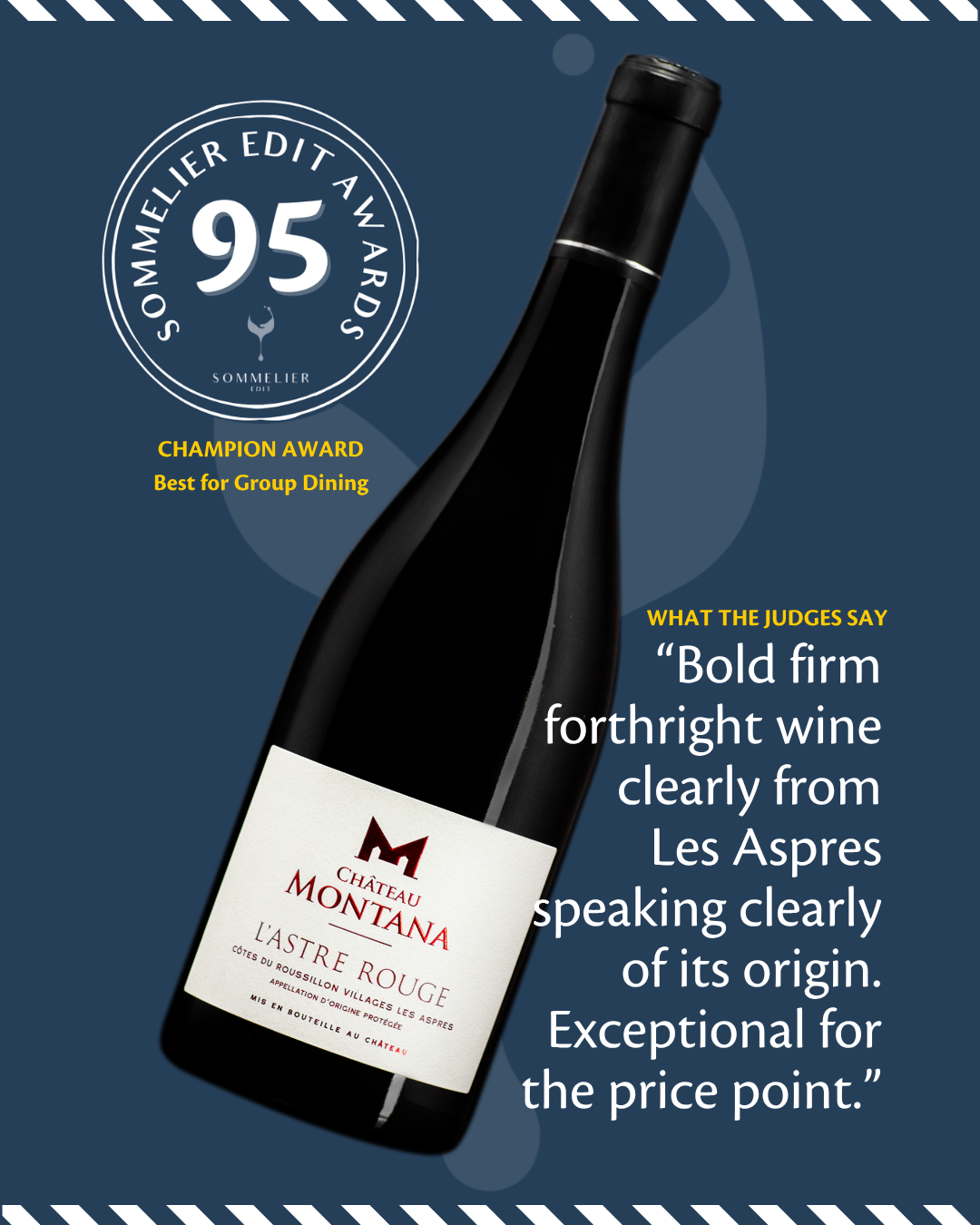
Our highest score red in the tasting was Domaine of the Bee, a Grenache-Carignan, from UK Master of Wine Justin Howard-Sneyd. The Domaine was to be called Domaine de l’Abeille after the Roc de l’Abeille but after an inevitable objection from a M. Abeille, he chose the English translation which has worked very well from him. The Bee-Side Grenache scored 94, as did his Domaine of the Bee Carignan. Justin makes his wine under the IGP Cotes Catalanes. This catch-all IGP has worked well for a number of producer who have preferred not to work to the limitations of the Appellations. Most of these specify particular maxima of different varieties, which can be restrictive. With climate change different varieties are being permitted in some areas.
Curating a wine list with character
It is well worth exploring the Cotes de Roussillon Villages category, which can add originality to a list. In the tasting the Village wines of Agly, Tautavel and Caramany all stood out with particular terroir character. At a time of simple messaging about wine styles in Bordeaux, Burgundy, Rhone, Cotes de Roussillon offers a chance to be a bit different, with wines that are full of flavour. Rosemary George MW in her reference book The Wines of Roussillon reminds us that it is only in the last 25-30 years that the dry wines, the vins secs, of Roussillon have acquired a distinctive identity of quality. Then she wonders out loud why Roussillon does not have ‘the cachet of Priorat’. Is it, she asks, that Perpignan is not as well-known as the region’s capital as Barcelona? Or is it that the pioneers Gérard Gauby and Mas Amiel, and their fellow vignerons, are just not so well known? Whichever, the outcome of this tasting showed that it is possible to use the Wines of Roussillon to add to character and originality to a well-curated list.
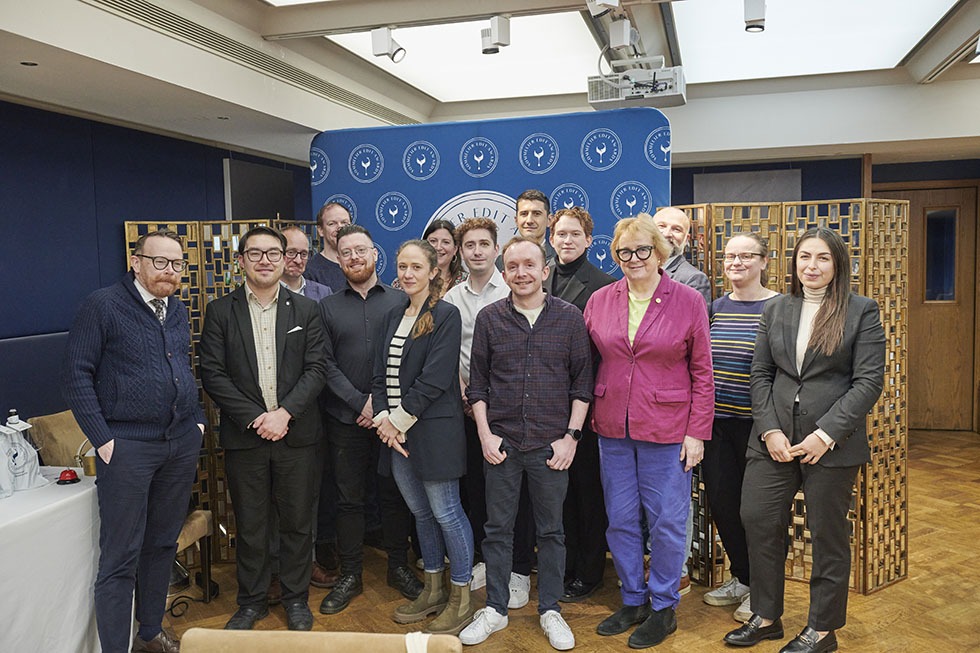
The Judges