Beyond the ritual: science, sustainability and cork
Charlotte Hey
The future of cork is based on science and sustainability. Sommeliers should learn more and engage to understand corks role in wine ageing.
There was a time when cork seemed destined to become a relic of wine’s past. In the early 2000s, rampant concerns around cork taint (TCA), inconsistent bottle performance, and the rapid rise of alternative closures led many to predict a dramatic decline in natural cork’s dominance. Yet two decades later, cork remains firmly embedded in—and has arguably reasserted itself across—the premium wine market. This resurgence is driven by two modern priorities: cutting-edge quality control and environmental sustainability.
For Carlos Jesus, director of communications at Amorim Cork says, “Support and understanding of the role of sommeliers, understanding the next steps in R&D development and sharing knowledge around cork is crucial for us. wine and corks are part of their daily job. We are committed to maintaining the role of cork in the ceremony and ritual of wine service whilst informing around crucial issues around cork, such as sustainability and wine ageing.”
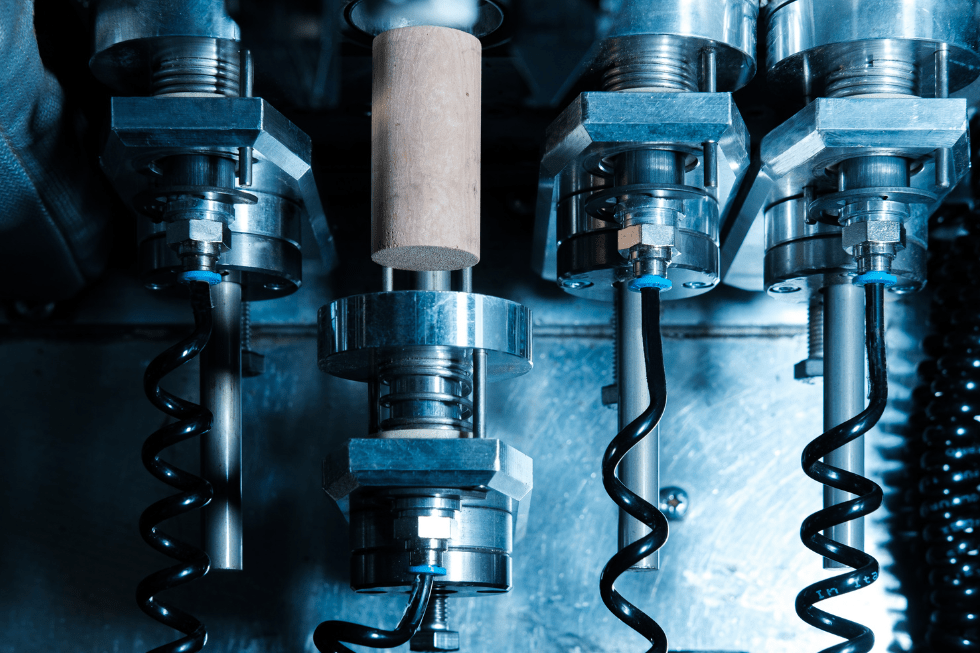
At the center of this shift sits Amorim Cork, the Portuguese giant responsible for a substantial proportion of the world’s wine closures. Rather than defending the status quo, the cork industry invested heavily in research and development. The most significant milestone is Amorim’s NDtech® system, which utilizes sophisticated analytical screening to evaluate individual corks for TCA rather than relying solely on batch testing.
For modern wine professionals, this technical evolution has transformed the closure conversation from a purely nostalgic debate into a practical, operational asset.
The Sustainability Shift
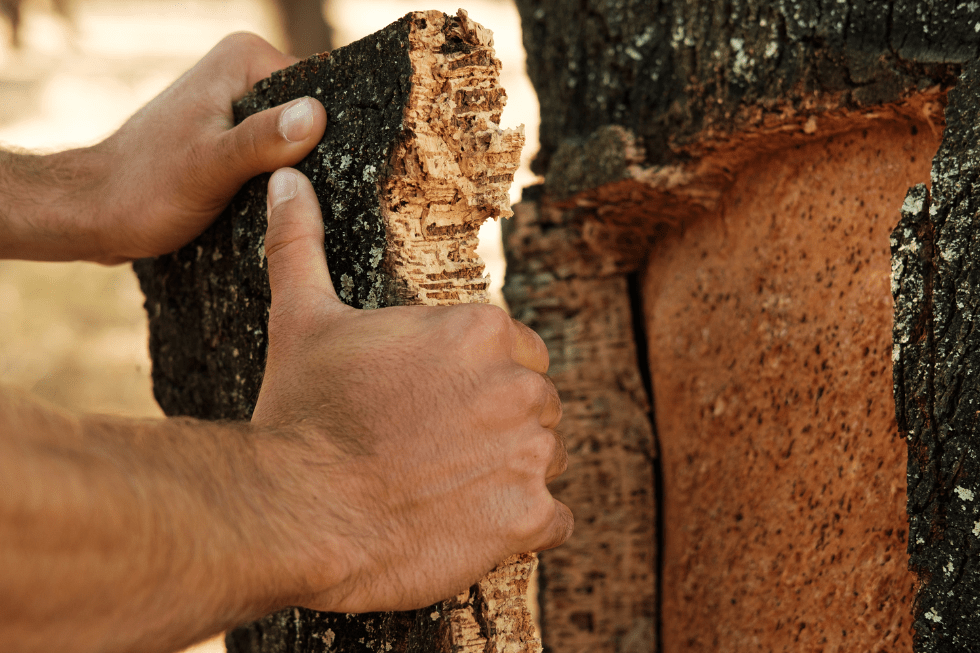
If quality was once the industry’s primary concern, sustainability is now its most powerful talking point. As restaurants face increasing scrutiny over carbon emissions, every component of the bottle is being examined. Natural cork oak forests act as vital carbon sinks, and major producers have successfully demonstrated negative carbon footprints for several cork stopper categories. For sommeliers working with environmentally conscious guests, these credentials matter—though the focus often lands on what happens after the bottle is opened.
Harry Cooper, Head Sommelier at Appalachia, London, and Top 100 Sommeliers UK , notes:, “While our guests rarely question the packaging or sustainability of their wine directly, we remain highly conscious of our footprint. For us, sustainability is about the details, which is why we’ve just joined a cork recycling program at Appalachia. ” He continues, “Many guests love taking the cork home as a memento of their evening, we now have a purposeful, circular lifecycle for those left behind, collecting them to be repurposed rather than wasted.”
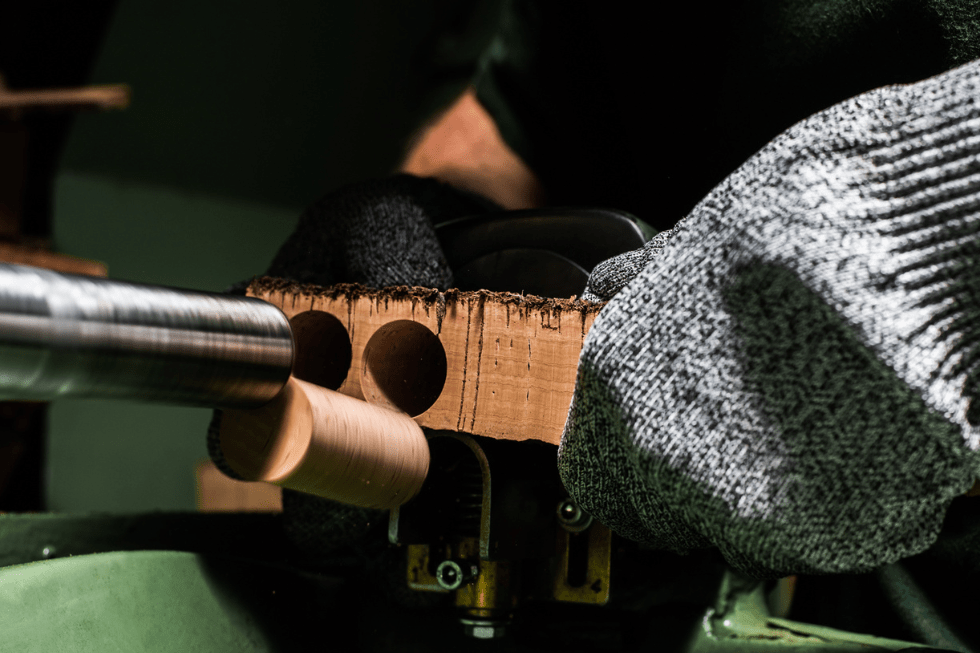
Hand driven corks at Amorim
Maria Cintoli, Wine Manager at Evelyn’s Table adds, “Guests are deeply engaged with the romance of wine service, and the cork is a major part of that theatre. They want the tactile memory of the evening. However, as an industry, our responsibility is to handle what stays behind. Circular initiatives that repurpose discarded corks bridge the gap between keeping guest-facing hospitality premium and running an environmentally responsible wine program behind the scenes.”
Fine Wine Evolution
The most critical question for serious wine lists, however, is not just about the carbon footprint—it is about aging. The world’s most collectible regions, from Bordeaux to Barolo, still overwhelmingly favor cork. Closure selection is increasingly viewed as a precise winemaking decision based on predictable oxygen transfer rates, helping to eliminate the dreaded gamble of bottle variation. Jesus says, “Our work is at the heart of ageing wine and how closure impact the process. We want to understand what goes on in order to help the sommelier anticipate how the wine is going to be when it is uncorked.”
Carlos Jesus, director of communications at Amorim Cork
Amorim has mapped the cork’s cellular structure, treating it as a precision valve system that allows for controlled oxygen transmission rates during the first year post-bottling, fostering complex structural evolution without premature oxidation. This innovation, coupled with a specialized portfolio for predictable oxygen ingress, provides sommeliers and collectors assurance of uniform aging for premium wine allocations.
Julio Tauste, Head Sommelier at The Orrery and Top 100 Sommelier, highlights the impact on high-end cellars, “In a fine wine environment, bottle variation is the ultimate frustration. Historically, cellaring an expensive allocation meant accepting that a small percentage of those bottles would age unevenly due to inconsistent closures. With modern, individually screened natural corks, that gamble is largely disappearing. It allows us to open older vintages with far greater confidence that the wine will perform exactly as the winemaker intended.”
Ultimately, the closure wars have evolved. What was once viewed as a vulnerable, romantic tradition has become a highly engineered product shaped by technology and changing consumer values. For an industry that celebrates history, cork’s technical evolution has successfully secured its future.