How McLaren Vale’s old vines rewrote the story of Australian grenache. Matt Deller MW, CEO, Wirra Wirra in McLaren Vale, talks to Sommelier Edit.
Once valued primarily for reliability and volume, grenache has emerged as one of Australia’s most exciting vehicles for site expression. In McLaren Vale, a remarkable collection of old bush vines, diverse soils and evolving winemaking philosophies has transformed the variety into a benchmark for fine wine.
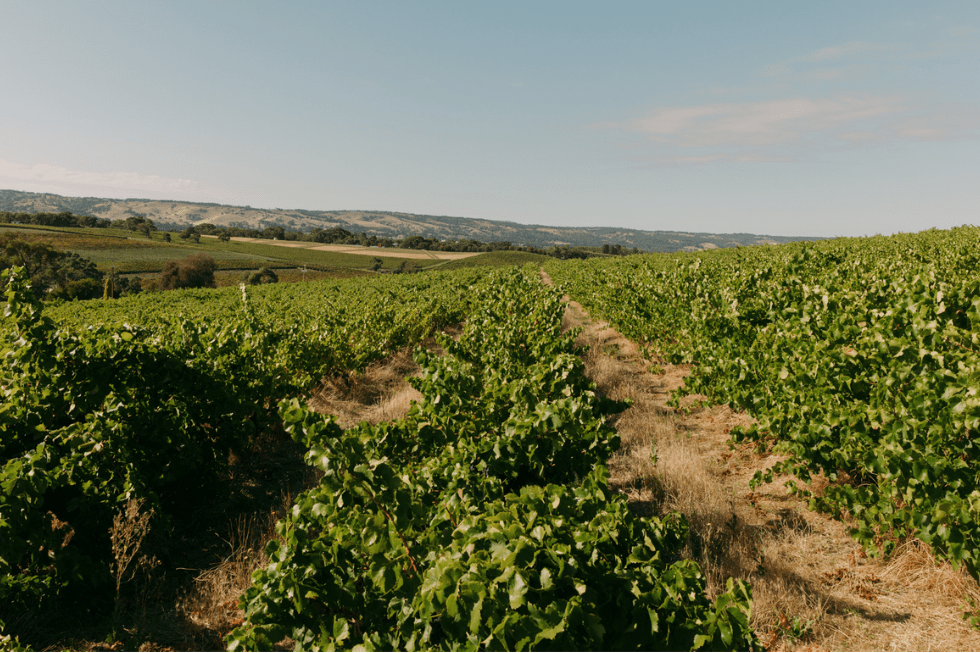
Grenache arrived in South Australia through James Busby’s vine collections in the 1830s and quickly established itself in McLaren Vale. The region’s dry summers, low disease pressure and suitability for dry-grown bush vines made it a natural fit. Just as importantly, McLaren Vale remained free of phylloxera, allowing many own-rooted vineyards to survive while comparable sites around the world were lost or replanted.
Vineyards that are now regarded as some of the finest grenache sites in Australia survived through a period when their true potential was largely overlooked. What we are discovering today is just how eloquently these old vineyards can express site when they are farmed and handled with that goal in mind.
Yet for much of the twentieth century, grenache was rarely celebrated in its own right. Old vineyards that are now considered among Australia’s finest were often viewed as sources of blending material, destined for fortified wines or regional reds where consistency mattered more than vineyard character. “Vineyards that are now regarded as some of the finest grenache sites in Australia survived through a period when their true potential was largely overlooked,” says Matthew Deller MW, CEO of Wirra Wirra. “What we are discovering today is just how eloquently these old vineyards can express site when they are farmed and handled with that goal in mind.”
Grenache terroir
Today, grenache sits at the centre of a broader shift in Australian fine wine. Historically, discussions around terroir have been dominated by cooler European regions such as Burgundy or Germany’s Rheingau, while warmer climates were more often associated with richness and power. McLaren Vale grenache is helping challenge that assumption. The region’s leading examples achieve full, flavour ripeness without sacrificing freshness, structure or definition. Increasingly, the differences between sites emerge not through fruit character alone, but through tannin architecture, texture and aromatic complexity.
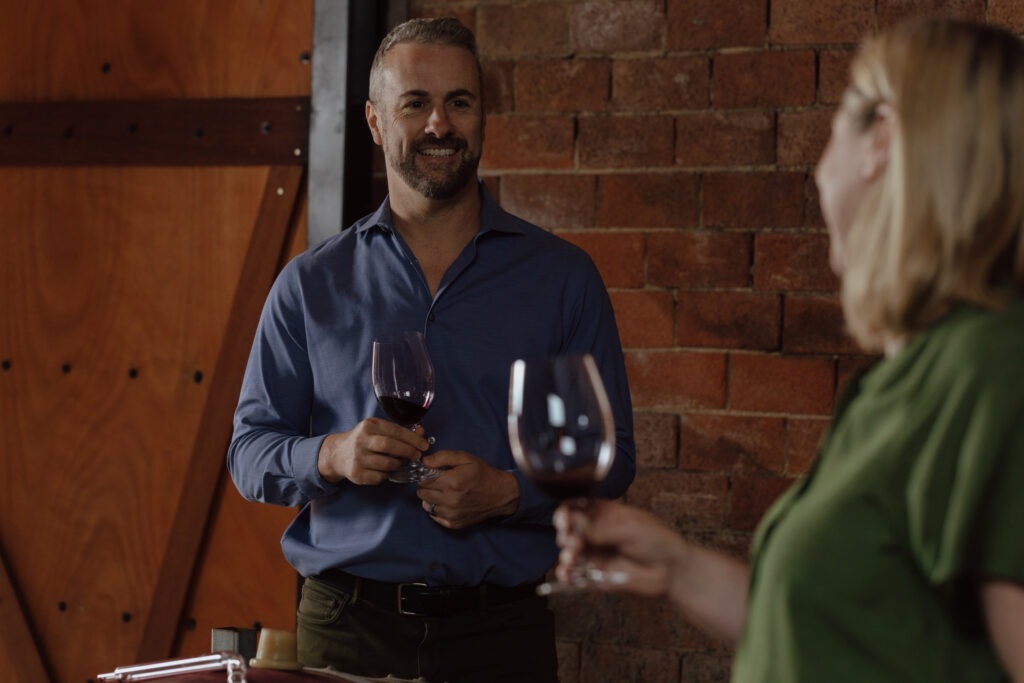
“The conversation has moved beyond simple fruit character,” says Deller. “The most interesting differences between sites are now revealed through tannin architecture, texture and shape. That’s where grenache has become incredibly exciting.”
One of the keys to this evolution is McLaren Vale’s extraordinary geological diversity. Despite its relatively compact size, the region contains more than 55 geologies and over 40 soil types, creating a mosaic of unique vineyard expressions. In Blewitt Springs, deep sandy soils consistently produce wines with lifted aromatics, bright red fruits and fine, persistent tannins. Cooler overnight temperatures help preserve acidity while maintaining flavour concentration. Further south, around Whites Valley and the Aldinga border, loams over limestone and calcareous soils tend to yield wines with darker spice profiles, broader phenolic structures and greater palate weight, influenced in part by their proximity to the coast.
Site Selection
As yields have been refined and extraction techniques become more restrained, these site differences have become increasingly apparent in the glass. A powerful example is Wirra Wirra’s Trott Vineyard in Blewitt Springs, acquired by the winery as part of its commitment to grenache. Planted in 1952 on deep Maslin sands over clay and ironstone, the site sits at around 200 metres elevation and consistently delivers a distinctive expression of the variety. “The Trott Vineyard embodies everything that makes Blewitt Springs special,” says Deller. “It delivers lifted aromatics, vibrant red fruits and that signature sandy tannin profile that gives the wines both persistence and elegance.”
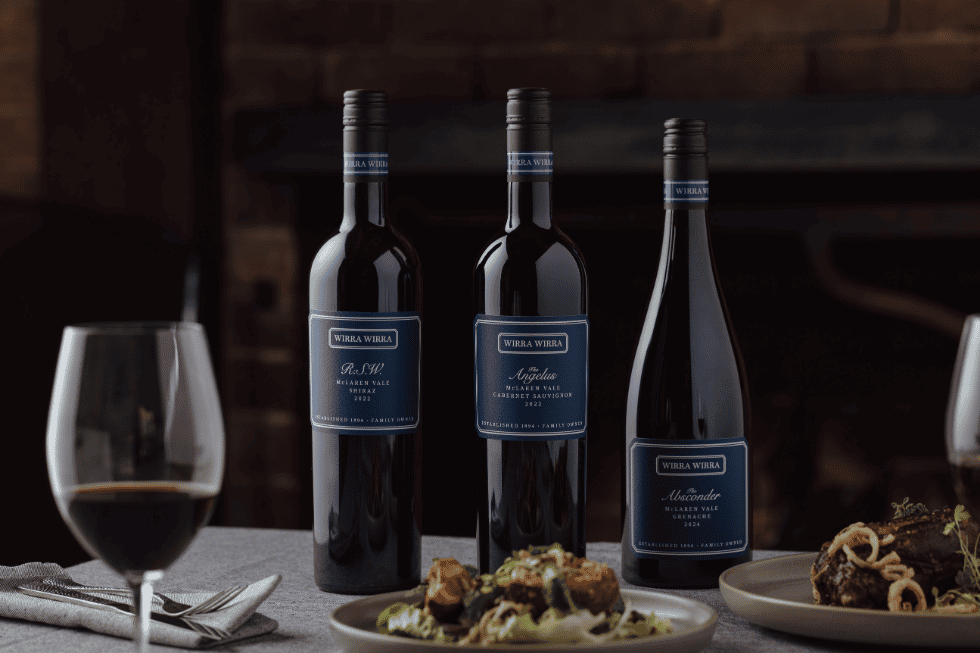
The conversation has moved beyond simple fruit character, says Matt Deller MW. “The most interesting differences between sites are now revealed through tannin architecture, texture and shape. That’s where Grenache has become incredibly exciting.”
The recognition of sites like Trott reflects a dramatic change in how grenache is understood within McLaren Vale. Once destined for anonymous blends, these old vineyards are now central to conversations about terroir and vineyard expression in Australia. Winemaking has evolved alongside that shift. Historically, grenache was often harvested at higher ripeness levels, subjected to more intensive extraction and matured in prominent new oak. While these wines could be impressive in scale, they often obscured site-specific nuances.
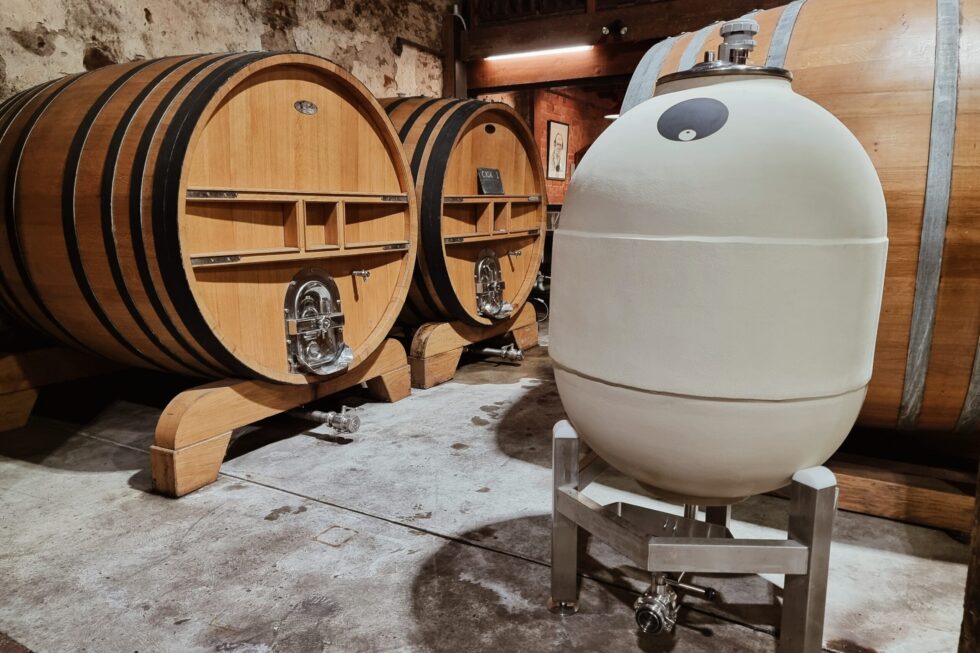
Contemporary producers have adopted a lighter touch. Earlier picking retains acidity and aromatic lift, whole-bunch fermentation contributes savoury complexity and structural tension, while larger-format and seasoned oak vessels minimise the impact of maturation on the finished wine. “The goal today is transparency,” says Deller. “Every decision in the winery is about helping the vineyard speak more clearly rather than imposing a style over the top of it.”
Floral and savoury
That philosophy is evident throughout Wirra Wirra’s grenache range. The Dry grenache Rosé is crafted from several McLaren Vale vineyards and fermented cool to build texture and savoury detail rather than overt fruit sweetness. Farmer’s Heart grenache brings together old-vine sites across sand, clay and loam, balancing aromatic lift with structural depth.
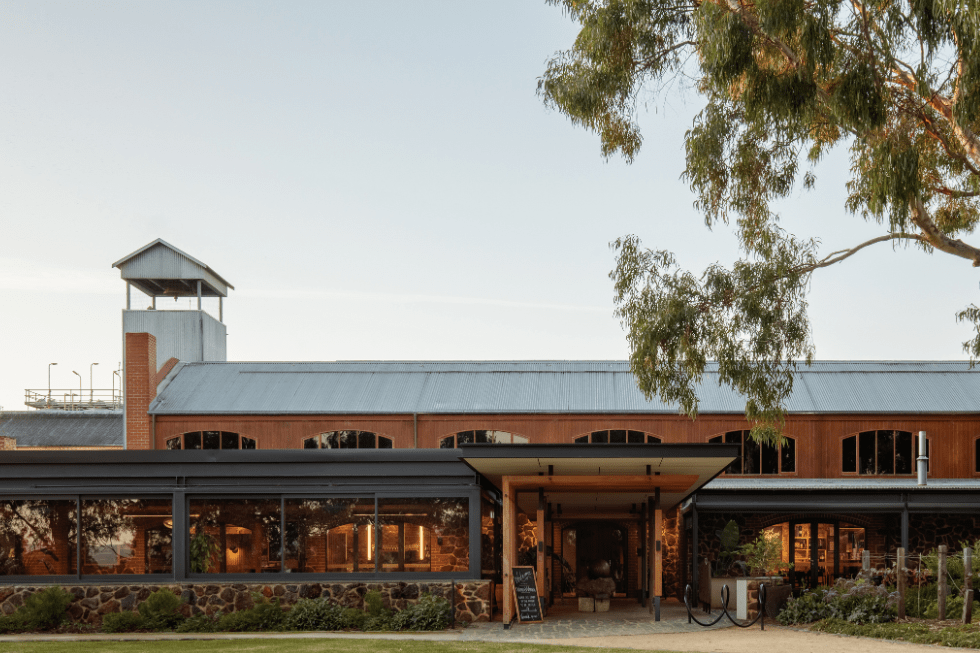
For many years, Australian fine wine equated quality with power and scale. Contemporary grenache tells a different story. The best examples from McLaren Vale still carry the warmth and flavour concentration that define the region, but their distinction increasingly lies in their ability to express place through texture, structure and nuance. “Grenache is allowing us to explore vineyard expression in a way that feels both distinctly Australian and globally relevant,” says Deller. “The more we understand these sites, the more exciting the future becomes.”