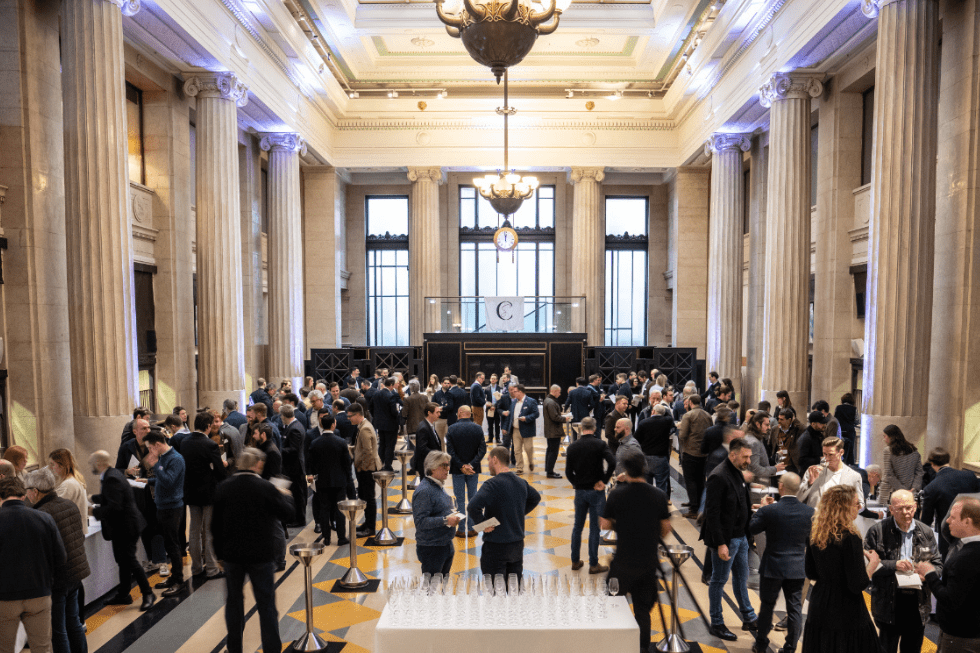
Cellar Series is a straightforward proposition: a curated selection of mature Bordeaux, sourced directly from château cellars and released into the UK trade at a point when the wines are ready to be enjoyed.
Hallgarten & Novum Wines is behind an initiative that represents a fundamental shift in how Bordeaux and fine wine more broadly is positioned within hospitality. For decades, access to the region’s top wines has largely revolved around allocation, futures and the secondary market. The wines themselves have often been treated as assets first and second.
The result, particularly in the UK on trade, is that Bordeaux can feel distant from the restaurant floor present, but not always relevant. The Cellar Series attempts to close that gap.
I had this dream many years ago that we do Bordeaux differently in relation to hospitality. The Cellar Series is about getting these wines onto the tables when the wines have come directly from the châteaux.”
Moving beyond the trading model
“Until we started doing The Cellar Series, Bordeaux was principally traded on vintage, label and price,” says Michael Saunders, CEO of Coterie Holdings. “There was no connectivity between the châteaux and the people selling the wines.” It’s a blunt assessment, but a familiar one. Even for experienced buyers, sourcing back vintages with reliable provenance can be complex, not to mention costly. Often, lists skew towards younger vintages that require years sometimes decades of patience.
Saunders’ ambition has been to take a different route. “I had this dream many years ago that we do Bordeaux differently in relation to hospitality,” he says. “The Cellar Series is about getting these wines onto the tables when the wines have come directly from the châteaux.” The emphasis here is less on exclusivity and more on immediacy: wines selected for drinking, not cellaring.

A different kind of access
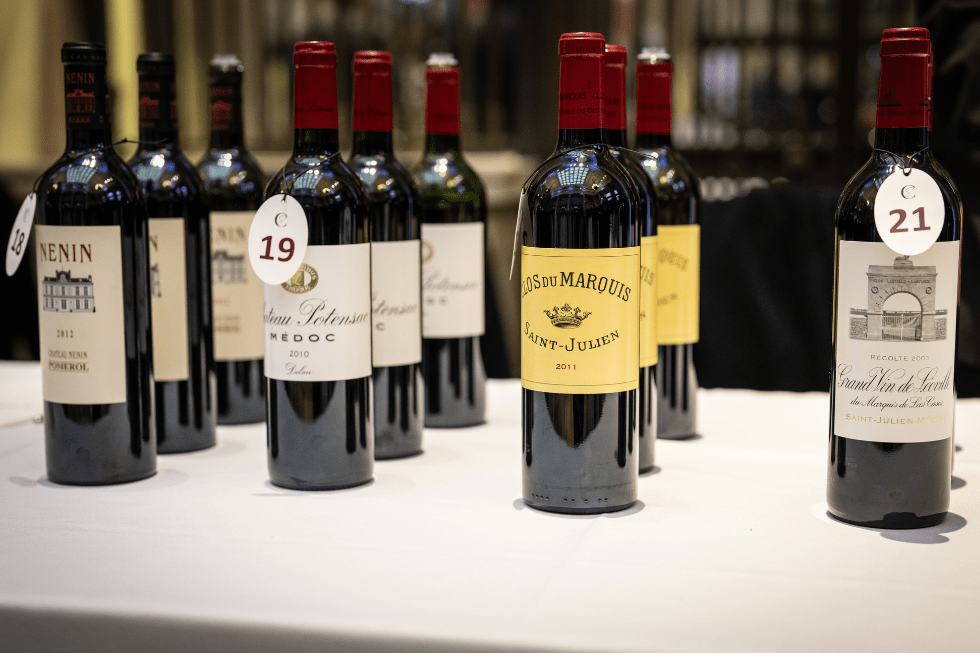
The wines themselves, spanning Cru Bourgeois through to First Growth, are sourced through négociant partner La Compagnie Médocaine des Grands Crus and selected by Robert Mathias MW. The key distinction is provenance: everything comes direct from the château, bypassing the traditional layers of brokers and collectors.
That distinction matters. According to Saunders, bottles secured ex-château not only offer traceability but often perform better than those that have circulated on the secondary market an observation echoed in wider industry conversations around mature Bordeaux. It also changes the relationship dynamic. Producers are not simply supplying stock; they are, increasingly engaging with the venues pouring their wines. “Because of the current climate the châteaux owners are interested in hospitality,” says Saunders. “In getting their wines drunk in the right place, with the right food, served brilliantly.”
Reframing Bordeaux for the floor
For Robert Mathias MW, who has curated the range, the argument is as cultural as it is commercial. “Bordeaux to me is a wine of place, a wine of vintage and of course people,” he says. “There’s an incredible story to be told about Bordeaux and the transformation in the vineyards and in the cellar over the past 20 years.”
It is a point often lost in the fixation on classification and price. In focusing on wines within their drinking window including less celebrated vintages alongside the headline years. The Cellar Series implicitly challenges the hierarchy that has shaped buying patterns for decades.
Mathias is clear about the opportunity this presents for sommeliers. “Sommeliers are getting wonderful back vintage with perfect provenance at market price that they can pass onto their customers,” he says. “It’s about bringing them and the properties together to create a strong network to support each other.” In other words, the value is not just in the bottle, but in the connection around it.
A receptive market
If the idea feels quietly radical, the timing may be equally important. Bordeaux, despite its historic dominance, has struggled to maintain relevance with younger consumers and contemporary wine lists. When it does appear, it is often either prohibitively expensive or not yet ready to drink.
Sommeliers are getting wonderful back vintage with perfect provenance at market price that they can pass onto their customers. It’s about bringing them and the roperties together to create a strong network to support each other.”
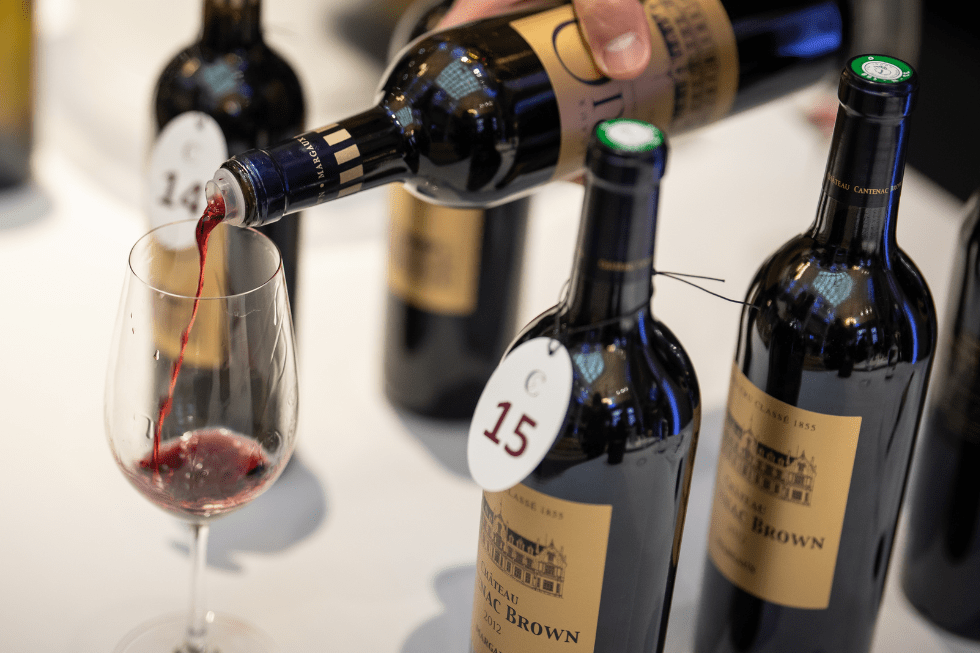
At the same time, producers themselves are adapting. As Mathias has noted elsewhere, part of Bordeaux’s ongoing evolution lies in “bringing producers much closer to customers”. That shift is being met by a trade keen for solutions that simplify access without sacrificing quality. Hallgarten’s model, offering around 80–90 classed growth wines in drinkable vintages, often available by the bottle, speaks directly to that need.
For all the branding, The Cellar Series feels less like a reinvention and more like a course correction. Saunders himself frames it in simple terms: “Sometimes you just need fate in life for things to work. I think we are doing the right thing at the right time with the right people and products.” Whether it represents a lasting shift or a moment of alignment remains to be seen. But for sommeliers, it offers something pragmatic: access to Bordeaux that can be poured, understood and enjoyed now, rather than explained away for later.
And perhaps that, more than anything, is the point.