
How we store wine is changing fast — and two experts reveal why it matters more than ever.
From home enthusiasts to Michelin‑starred dining rooms, proper wine storage is transforming the way we buy, serve, and enjoy wine. Two industry voices—one shaping the technology, the other shaping the guest experience—reveal why controlled conditions are becoming essential across the modern wine world.
For Camille Syren, EuroCave’s role in the wine world is rooted in heritage and innovation. “EuroCave invented the wine cabinet in 1976,” she notes, “a fundamental point of differentiation.” Today, the company remains the last manufacturer of its kind in France, and Syren is clear that this specialisation shapes everything they do: “Everything we do is driven by passion for wine, respect for the product, and a deep understanding of our clients’ expectations.”
Syren emphasises that proper storage is no longer a luxury but a necessity—at home and in hospitality. Multi‑temperature zones, she explains, “bring each bottle to its ideal serving temperature, which is essential for fully appreciating a wine… and no, a kitchen refrigerator is not a good option for wine storage!”
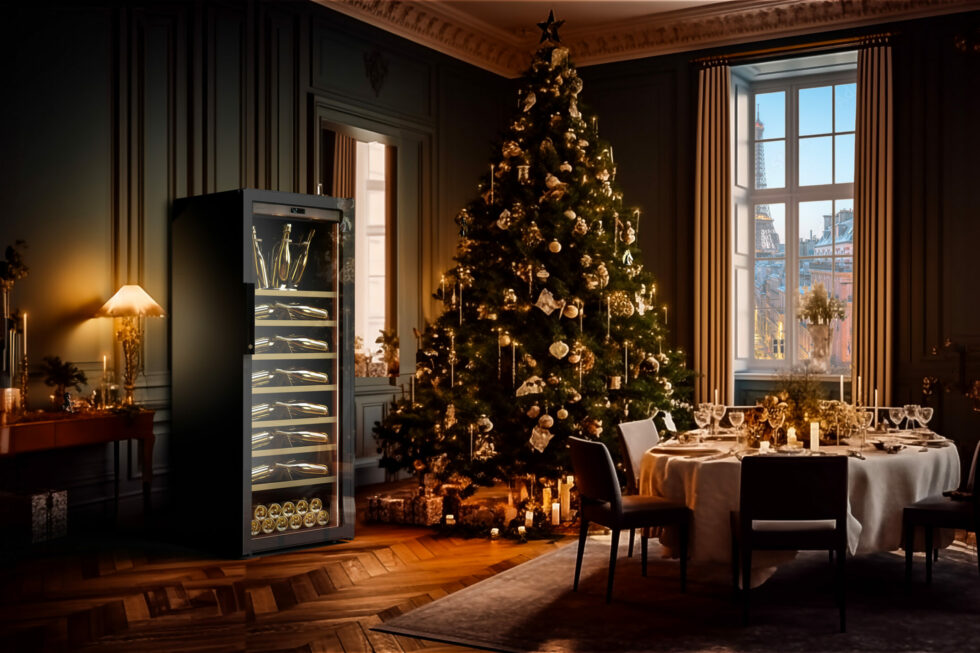
Wine cabinets are becoming statement pieces, not something to hide away.
Where Syren’s perspective becomes particularly compelling is in her view of the sommelier’s role. “They are both our clients and our key influencers,” she says. Sommeliers not only select the equipment used in restaurants but also guide consumers through high‑involvement purchases. EuroCave even named one of its signature features—the Main du Sommelier bottle support—as a tribute to the profession.
Looking ahead, Syren sees design and technology reshaping the landscape. Wine cabinets are moving out of basements and into living spaces, becoming “statement pieces” in homes and restaurants. Connectivity, modularity, and climate resilience will define the next generation of storage solutions, especially as global warming makes traditional cellars less reliable.

A Sommelier’s Reality: Service, Consistency, and Guest Trust
If Syren speaks from the vantage point of innovation, John Le Bihan speaks from the trenches of daily service. For him, effective wine storage is not an aesthetic choice—it is operationally essential.
“I would say it is essential to ensure the wines don’t suffer from temperature variations, light, and risk of humidity,” he explains. At Angler, storage is used for “every single bottle, rare and fast‑rotating,” with fridges set at different temperatures depending on style and service needs.
Where Syren highlights design and consumer influence, Le Bihan focuses on access, efficiency, and clarity. Having storage both in the restaurant and in the cellar is “crucial… particularly for access and stocktaking when they show clearly.” In a busy Michelin‑starred environment, visibility and organisation are as important as temperature control.
Guests care deeply about how we look after their wines — even casual drinkers

Le Bihan also sees a shift in guest awareness. Diners increasingly ask about traceability, especially for older vintages. “This applies to every segment of our guests,” he says, “connoisseurs or casual drinkers, who genuinely care about the quality and readiness of their wines.” And in true British fashion, he notes that even 7°C “might sometimes still not be chilled enough” for some white‑wine lovers.
Where Their Worlds Meet
Despite their different vantage points, Syren and Le Bihan converge on one essential truth: proper storage is fundamental to the wine experience.
- For Syren, it is about preservation, precision, and long‑term enjoyment.
- For Le Bihan, it is about service, consistency, and guest trust.
Both agree that the right equipment elevates not only the wine but the entire dining experience. Beautifully displayed bottles encourage exploration; perfectly tempered wines prompt additional orders; and reliable storage protects the integrity of every pour.
In a world where wine is increasingly treated as both a craft and a cultural marker, the quiet machinery behind the scenes—whether in a home kitchen or a Michelin‑starred dining room—has never mattered more.
Discover more >> visit eurocave.co.uk