
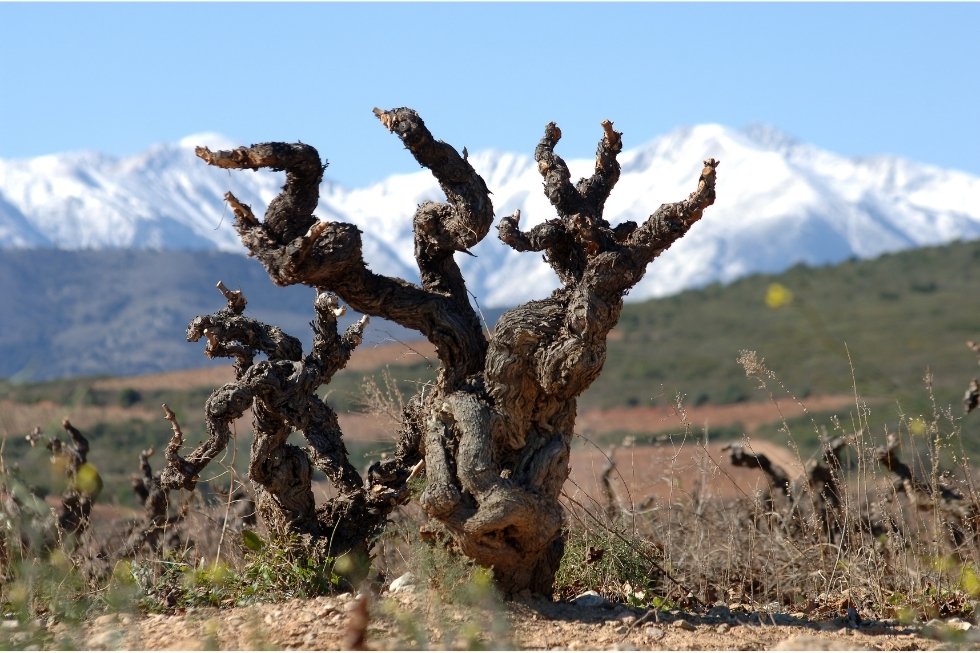
The hardest thing to find on a restaurant wine list isn’t another great wine. Sommelier Edit finds out why Roussillon is starting to turn heads among sommeliers.
A wine that overdelivers for the money. A wine that works across multiple dishes. A wine with a story that guests can connect with. And increasingly, a wine that hasn’t already appeared on every list in town. For years, Rousillon sat slightly outside the spotlight. Overshadowed by the Rhône, occasionally lumped together with the Languedoc and often viewed through the narrow lens of powerful reds and sweet wines, it wasn’t always at the top of buyers’ wish lists. Yet recent tastings suggest that perception is changing fast.
At a recent Sommelier Edit Awards tasting dedicated to the wines of Roussillon, leading UK sommeliers explored a broad cross-section of styles from across the region. What emerged wasn’t simply evidence of quality. It was evidence of opportunity. Diversity, freshness and value were recurring themes throughout the judging.
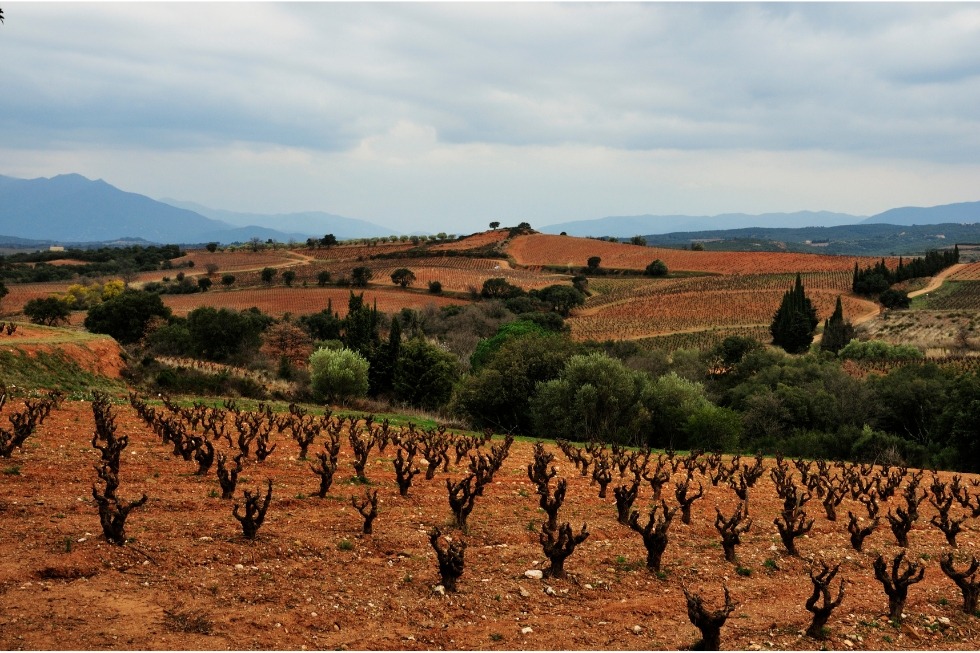
“It was really interesting to taste the wines today because we could see a wide range of styles across different price points,” said Maria Boumpa, Wine Director at Da Terra Restaurant. “The biggest surprises came from the lowest price points so there is definitely high quality in there, a region to be explored.”
A value proposition that’s hard to ignore
As buyers continue to grapple with rising prices across many established regions, Roussillon still offers old-vine Grenache, Carignan and Syrah with genuine provenance at prices that allow sommeliers to build characterful lists without sacrificing margin. For operators seeking discovery wines that don’t intimidate guests, that’s an increasingly attractive proposition.
Great wines, great, sweet wines, some interesting whites. It was nice to see a region which needs to move into the forefront now.” Michael Fiducia, St George’s Hill LTC.
What many sommeliers may find surprising is the level of freshness now emerging from the region. Christopher Frayling Cork, Head Sommelier at The Chancery Rosewood, was one of several judges struck by the balance on show. “The Wines of Roussillon were amazing and showed some unexpected complexity sometimes as well as some really fresh examples.”
That freshness is particularly evident among the whites, which could be one of the most exciting opportunities for restaurant wine lists today. The rise of vegetable-led tasting menus, open-fire cooking and seafood-focused dishes has increased demand for whites that offer texture as well as acidity. Roussillon’s Grenache Gris is proving particularly compelling in that regard. “I loved the Grenache Gris flight; it was very refreshing and had a very approachable style and great value,” said Joanna Nerantzi, Head Sommelier at Raffles London at The OWO.
It’s easy to imagine those wines working with many of the dishes defining London’s leading restaurants right now: hand-dived scallops finished with seaweed butter, turbot with beurre blanc, smoked celeriac with fermented apple, or roasted squash with cultured cream and brown butter. These aren’t wines that merely refresh; they actively contribute texture and savoury complexity to the pairing.
Bold, versatile reds
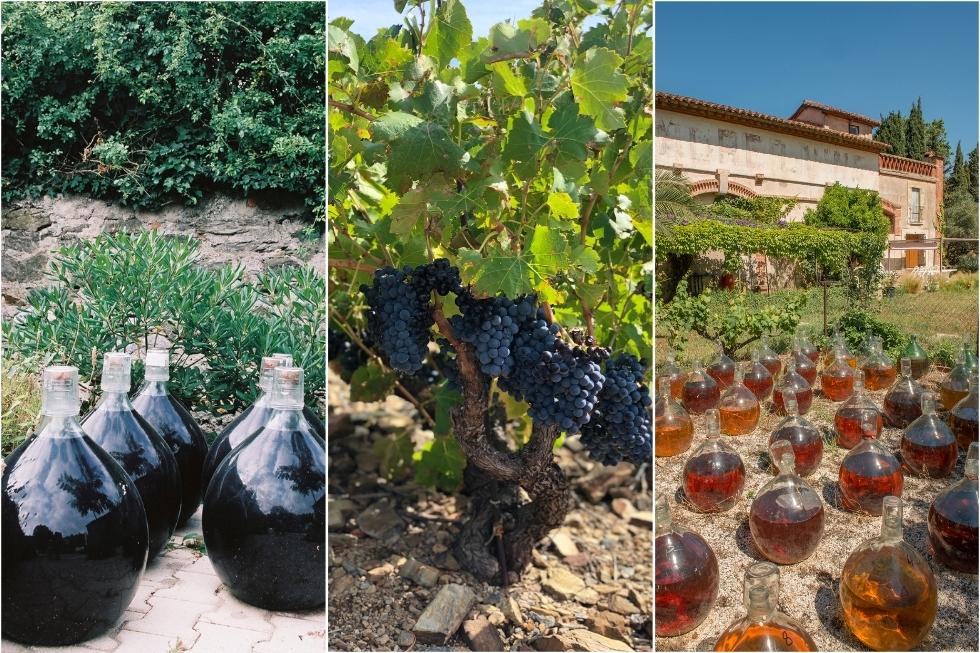
The reds deserve an update, too. Too often, southern French reds are lazily filed under “good with game”. The reality is far more interesting. Modern Roussillon reds sit comfortably alongside the kind of bold, ingredient-led cooking dominating contemporary London dining. Think charcoal-grilled Ibérico pork, lamb cooked over embers with rosemary and anchovy, smoked aubergine with black garlic and tahini or wood-fired peppers finished with olive oil and herbs. The herbal garrigue character found in many Grenache- and Carignan-led blends feels completely at home with these flavours.
The Wines of Roussillon were amazing and showed some unexpected complexity sometimes as well as some really fresh examples.
The versatility of the wines repeatedly impressed the judging panel. One of the standout reds, a Maury Sec from Domaine of the Bee, was praised for its notes of lavender, wild herbs, blackberry and charred cedar, with judges specifically highlighting its suitability for both charred meats and vegetable tagines. For sommeliers, that’s increasingly important. The old distinction between “red wine dishes” and “vegetarian dishes” is rapidly disappearing as chefs build flavour through smoke, spice, fermentation and texture rather than protein alone.
Another recurring theme throughout the tasting was authenticity. “It was a pleasure tasting today,” said Maria Boumpa. “We could see a wide range of styles across different price points.” Meanwhile, Christopher Frayling Cork’s observation about the wines’ “unexpected complexity” echoes what many buyers are discovering: these wines offer far more nuance than the region’s historical reputation might suggest.
Sweet individuality
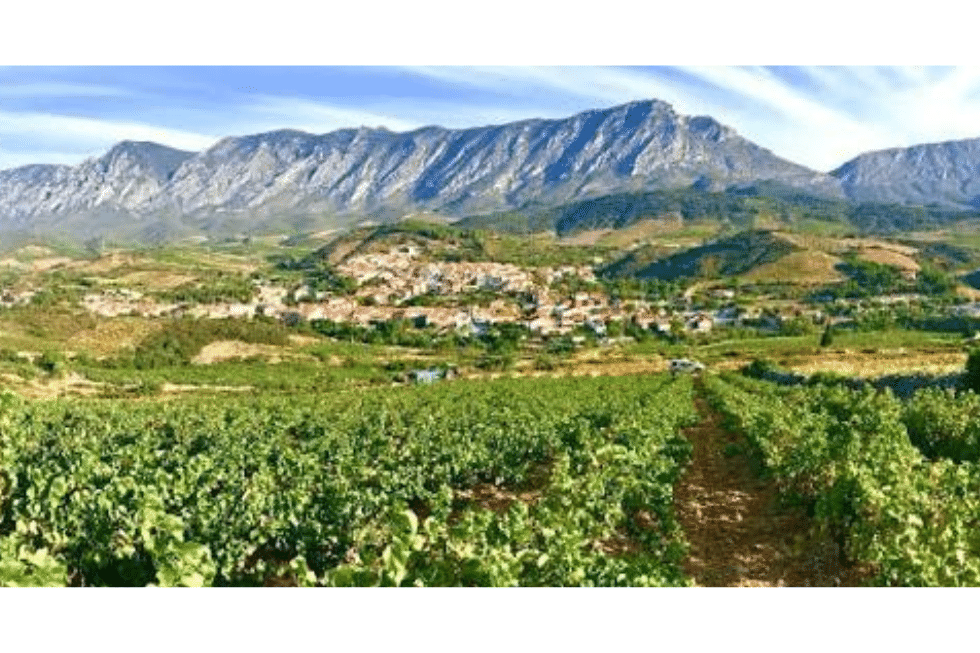
Then there are the sweet wines, arguably Roussillon’s most underexploited asset. “Great wines, great, sweet wines, some interesting whites. It was nice to see a region which needs to move into the forefront now,” said Michael Fiducia, Sommelier at St George’s Hill LTC.
While dessert wine may be a shrinking category on some lists, the region’s Vins Doux Naturels still offer exceptional value and individuality. Mature Rivesaltes, Banyuls and Maury styles deliver layers of dried fruit, honey, spice and citrus complexity that feel tailor-made for modern dessert programmes. Rather than pairing them with generic desserts, imagine a mature Rivesaltes alongside a caramelised apple tart, brown-butter madeleines, roasted figs with crème fraîche or a carefully curated British cheese trolley. These are pairings that create memorable moments and encourage conversation at the table.
Ultimately, that’s where Roussillon’s strength lies. Not in chasing trends. Not in competing with the biggest names in France. But in being extraordinarily useful. Useful for by-the-glass programmes. Useful for food pairing. Useful for introducing guests to varieties such as Grenache Gris and Carignan. Useful for creating value on a wine list without compromising on quality. And as more London sommeliers are beginning to discover, those qualities are becoming a lot more valuable than prestige alone.
Three reasons sommeliers are looking at Roussillon
Genuine list-friendly pricing in a market where many classic regions are becoming increasingly expensive.
Texture-driven whites, particularly Grenache Gris and Grenache Blanc, that suit contemporary tasting menus.
Distinctive Vins Doux Naturels that still offer one of the most compelling by-the-glass sweet wine opportunities in the trade.