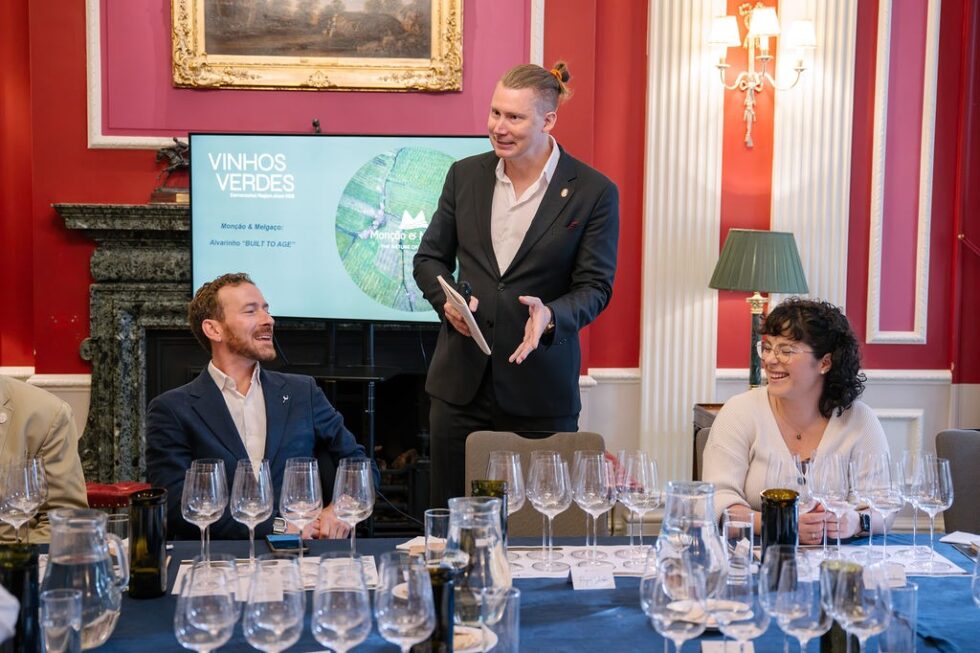
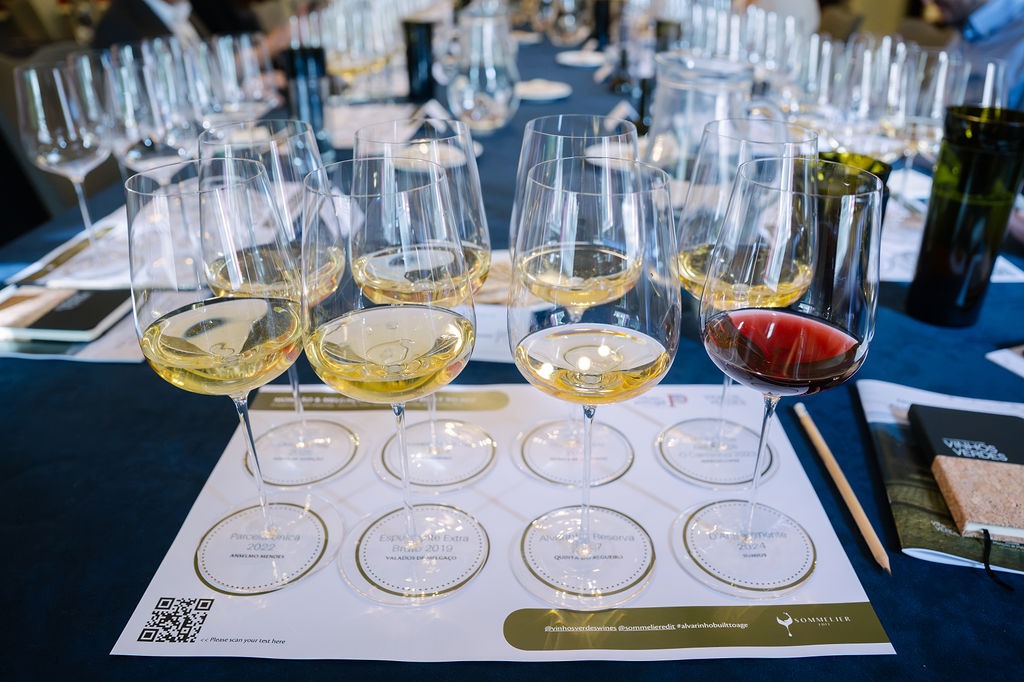
Vinhos Verdes is a region that can offer sommeliers considerably more than its reputation for light, uncomplicated white wines might suggest. A masterclass led by Master Sommelier Stefan Neumann explored the diversity of the region, from fresh, fruit-driven Alvarinho to textured, skin-contact and oak-influenced wines, traditional-method sparkling wine, aged whites and even a light red.
As Neumann explained, the purpose was not simply to present a single style or a selection of favourites, but to demonstrate wines that could have a clear place on a restaurant list: “I know what I can do with this wine or I know that I have someone who will absolutely enjoy it.”
The commercial opportunity is also significant. “There’s a real lack of premium Portuguese white wine these days in the market,” Stefan observed, suggesting that this price segment is one restaurants can actively sell.
A region shaped by landscape and history
Vinhos Verdes has been a defined wine region since 1908 and covers approximately 17,000 hectares, divided into nine subregions. Its vineyard landscape is highly fragmented, with many growers owning only a small parcel or a few rows of vines. Some tend their vineyards alongside other employment before selling their grapes to a local cooperative or producer.
The region is strongly influenced by its geography. The Atlantic, the Minho River and surrounding mountain ranges all contribute to the climate. In Monção and Melgaço, these influences help create cooler conditions, with warm days and cool nights.
Granite is the dominant soil type, although schist, pebbles, clay and alluvial soils are also found. The region’s history is reflected in its grape varieties and planting patterns. While Vinhos Verdes was historically more closely associated with red grapes, plantings shifted towards whites. Field blends also developed as a practical response to vineyard conditions, with different grape varieties responding differently to fungal disease and seasonal conditions.
Alvarinho: freshness with texture and age-ability
Alvarinho is central to the region’s modern identity, but the wines tasted demonstrated how broad its expression can be.
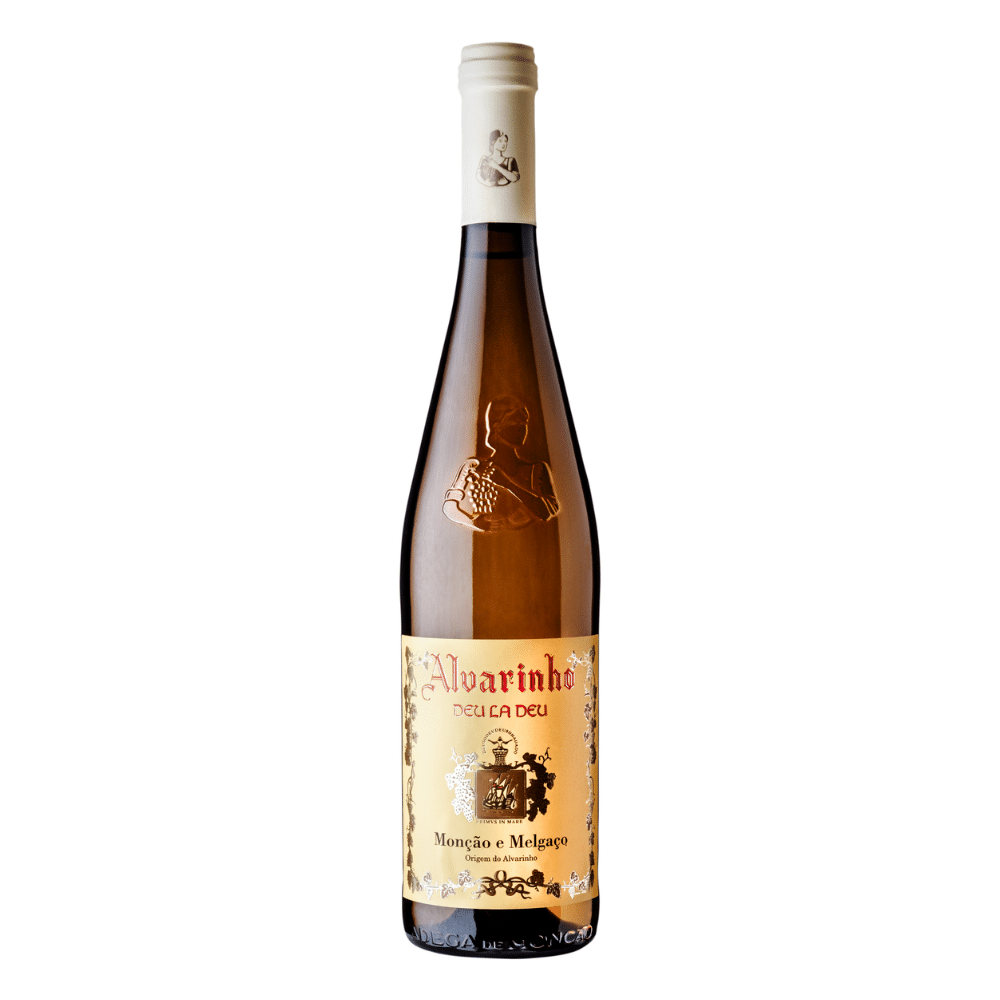
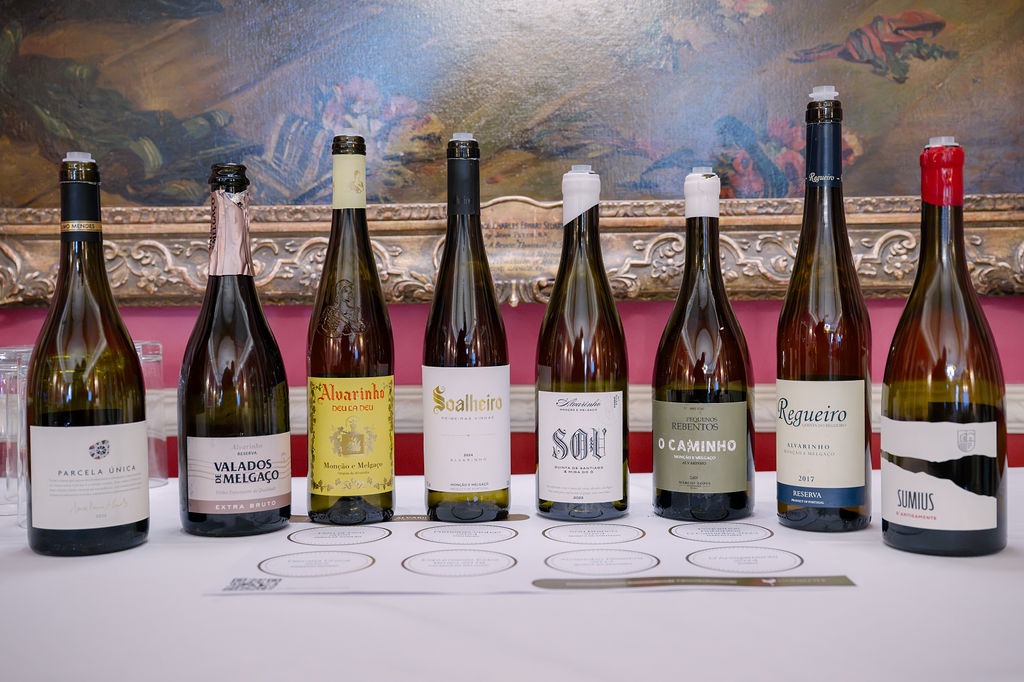
The Adega de Monção Deu-la-Deu Alvarinho was fresh, fruit-led and approachable, with lively acidity and a bone-dry profile. With around 6.7 g/L acidity and approximately 1 g/L residual sugar, it was presented as a wine to enjoy young, particularly for its bright aromatic character. Chicken tikka, tabbouleh and hummus with parsley were suggested as pairings.
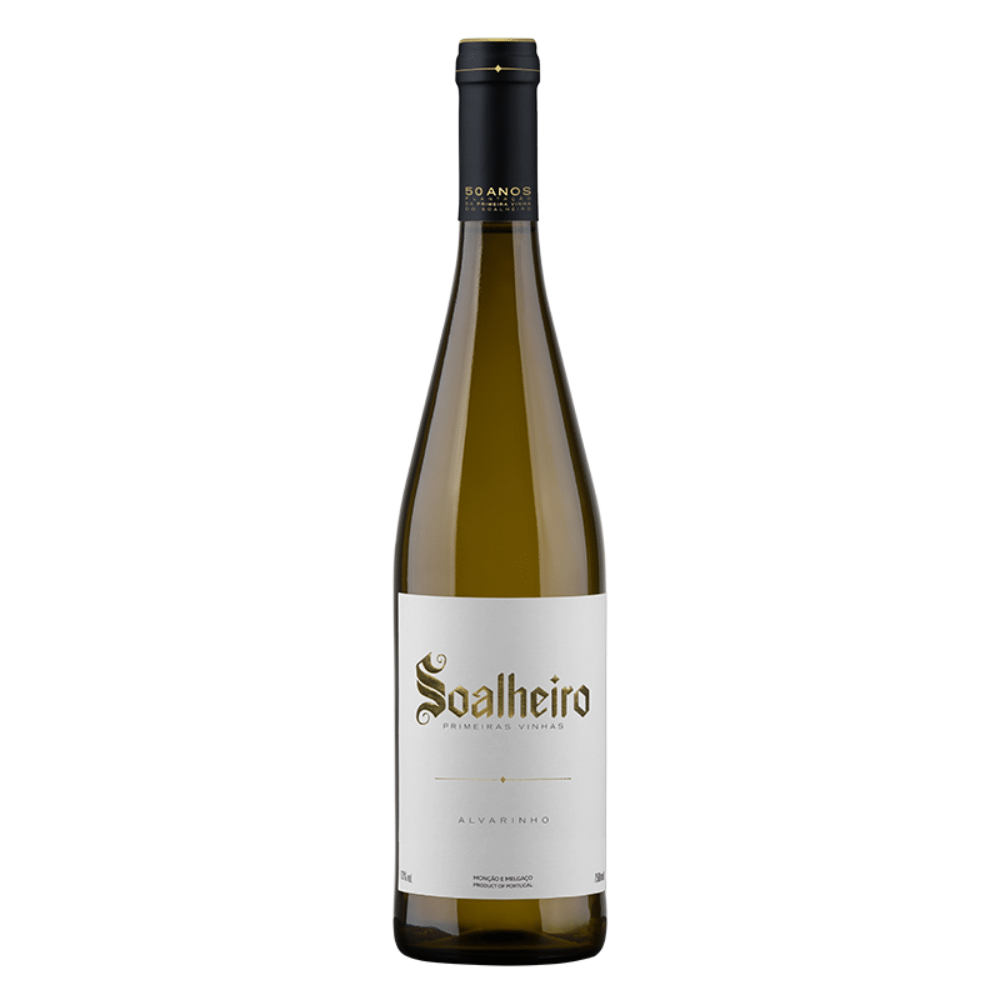
The Soalheiro’s Primeiras Vinhas Alvarinho offered a more complex and vibrant expression, combining freshness with additional texture. Its higher-altitude fruit contributed to a brighter feel, while its acidity and residual sugar were described as similar to the first wine. It was considered a stronger candidate for ageing, with Alvarinho examples at 10 to 15 years old still retaining considerable freshness. Cod and octopus were among the suggested pairings, particularly as the wines mature.
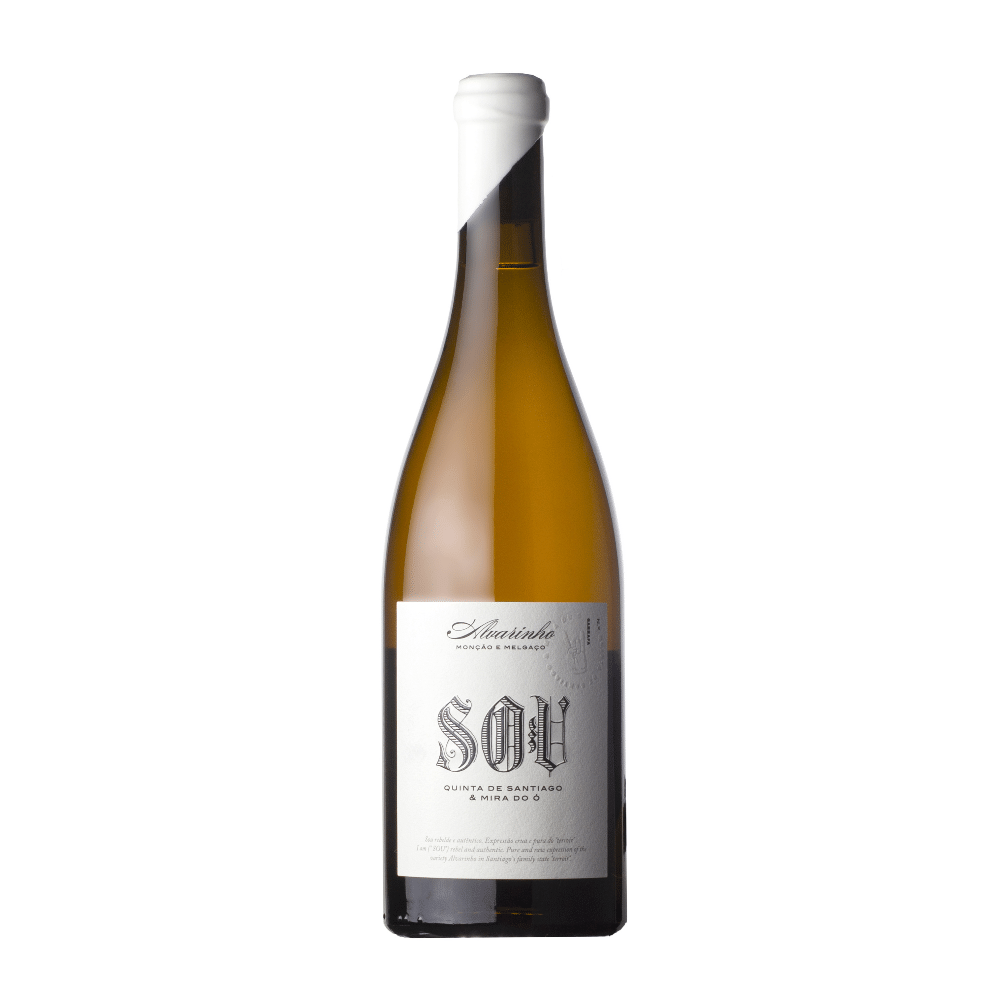
At the more textural end of the spectrum, Sou Branco from Quinta de Santiago combined mineral character and freshness with a softer, textured feel. Its naturally fermented wine was partly aged in large barrels, with the remainder in stainless steel on lees. Its acidity was notably high at 8.4 g/L.
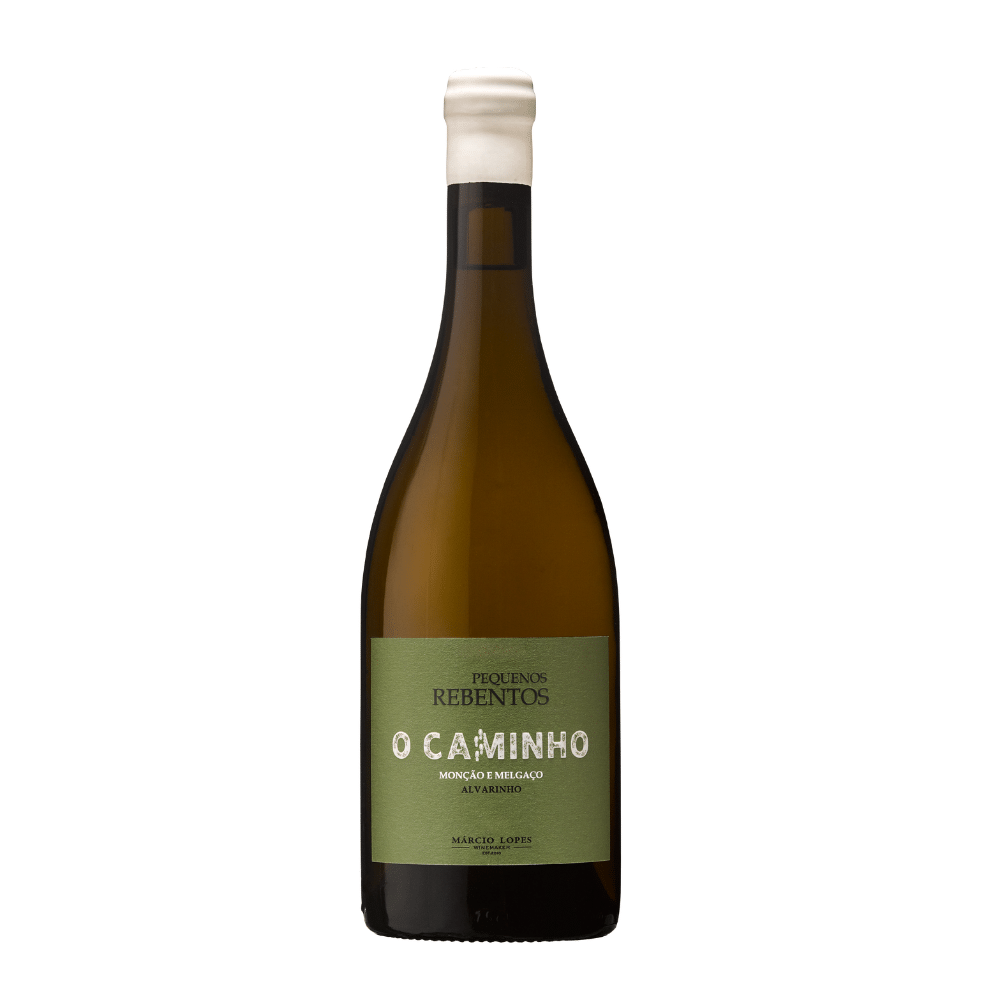
Pequenos Rebentos O Caminho from Márcio Lopes offered greater intensity and weight, with skin-contact character and a richness balanced by classic Alvarinho acidity. Rather than relying predominantly on primary fruit, it showed more secondary and tertiary character.
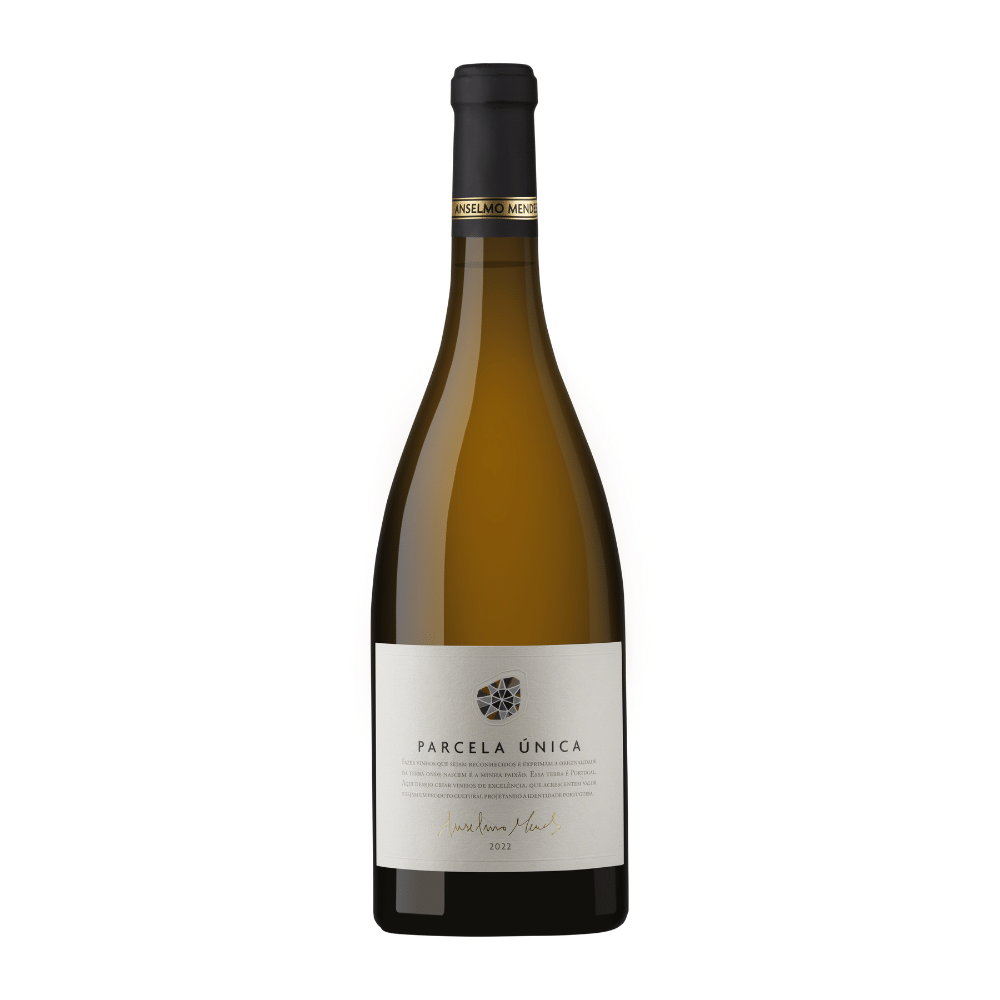
Anselmo Mendes’ Parcela Única moved further into textural territory. Used French oak, lees ageing and bâtonnage contributed to a layered richness that was compared with white Burgundy. The wine is considered capable of ageing very well and could provide a compelling option for richer seafood or fish dishes.
Sparkling, ageing and unexpected reds
The masterclass also challenged expectations of what Vinhos Verdes can offer beyond still white wines.
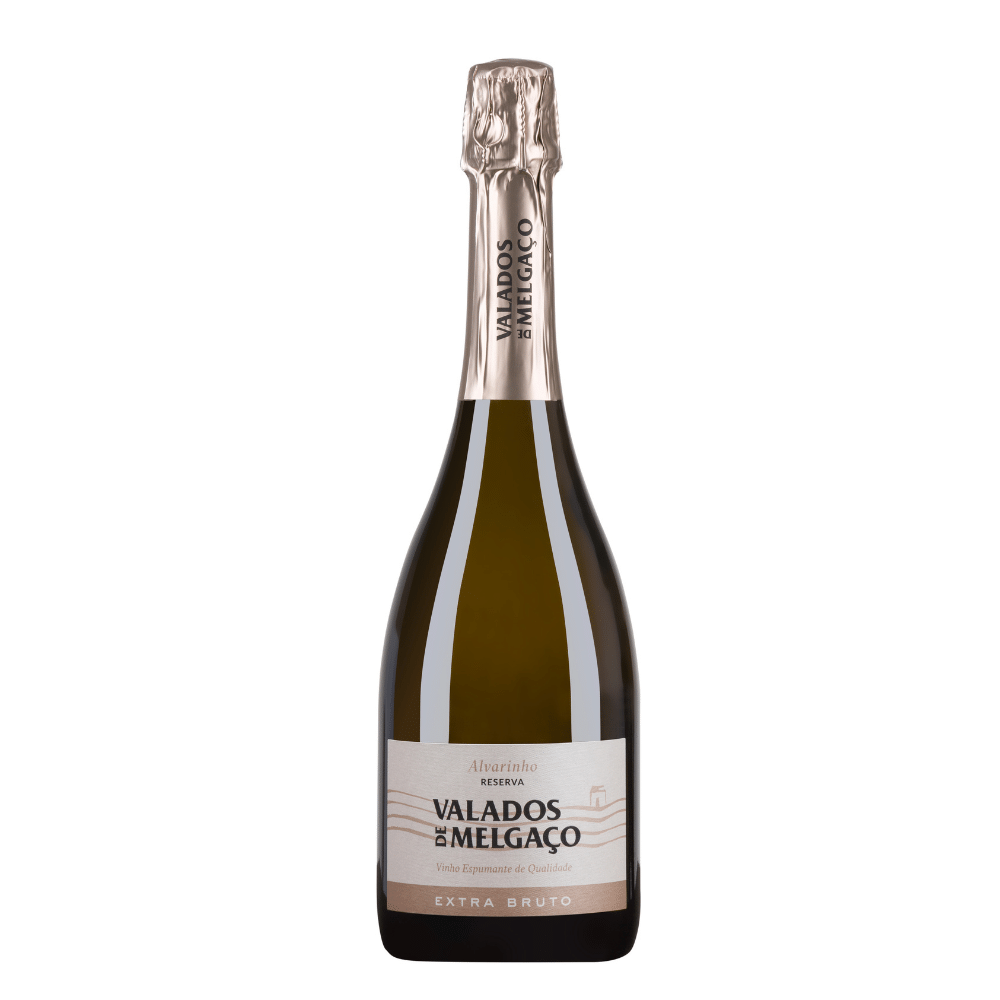
Valados de Melgaço Espumante Alvarinho Reserva Extra Brut a traditional-method sparkling wine from a project led by Artur Meleiro – showed approximately 8.3 g/L acidity, an extra-brut style and around 20 months on lees. The bubbles were well integrated, with honeyed, herbal and quince-like notes alongside fruit. Stefan saw potential for this style as an alternative to Cava, Prosecco or English sparkling wine, particularly alongside spicy food, including dishes featuring chilli or fish sauce, as well as Indian-spiced cuisine.
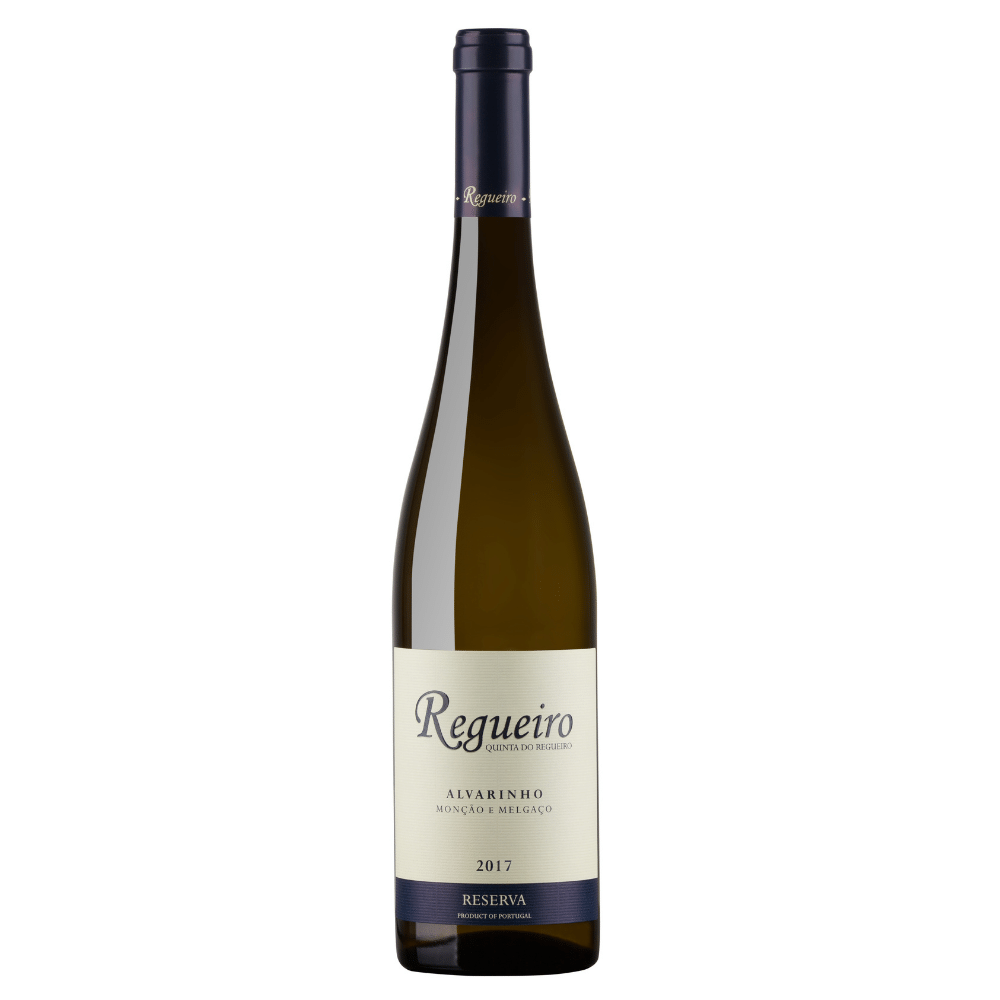
Alvarinho Reserva by Quinta do Regueiro – A 2017 aged Alvarinho demonstrated further ageing potential. Despite its development, the wine remained fresh, showing honeyed and lightly toasted notes rather than decline, with approximately 7 g/L acidity.
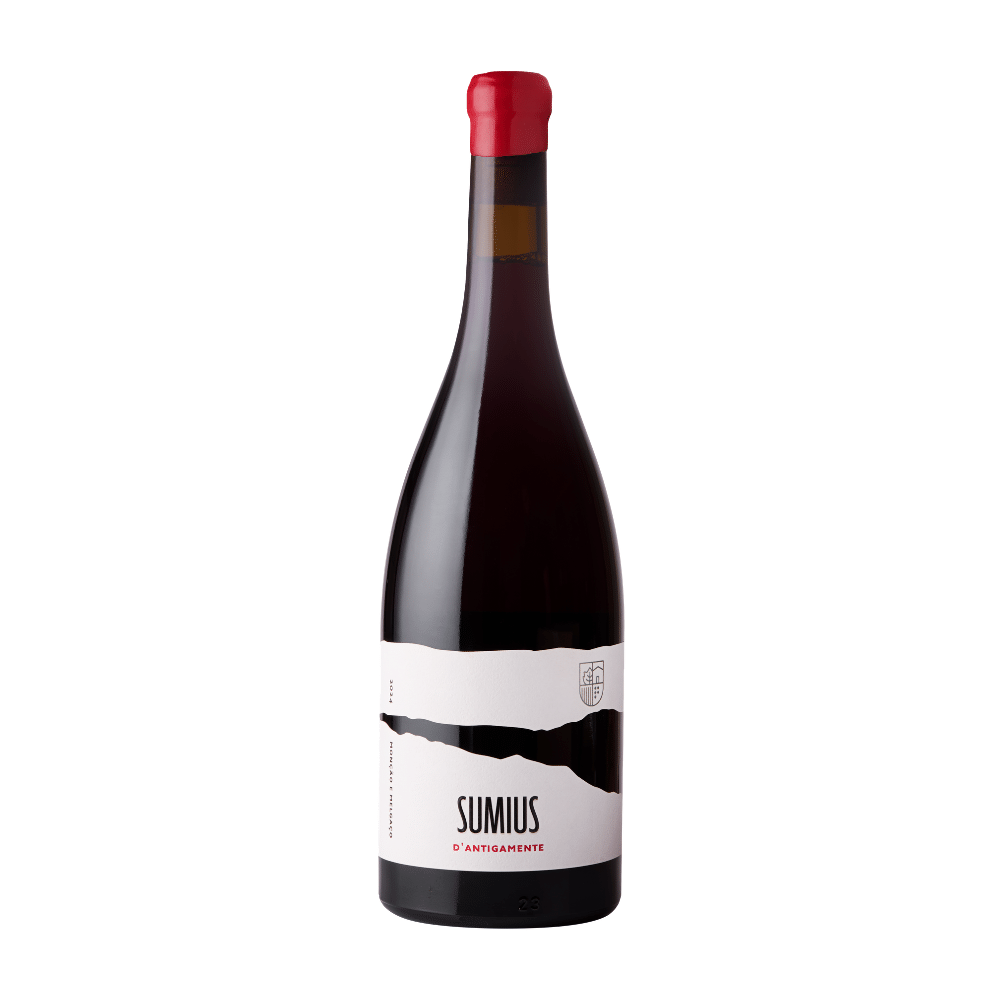
The tasting concluded with a light red field blend, D’Antigamente by Sumius, at around 11.5% alcohol and 8.9 g/L acidity. Fresh, herbal and light in colour, it was recommended slightly chilled. Duck, pork and sardines were suggested, alongside a successful pairing with sea bass, crispy skin and a gently spiced sauce.
A broader opportunity for the sommelier
For sommeliers, the message was clear: Vinhos Verdes should not be confined to a single stylistic category. Alvarinho can offer immediate freshness and aromatic appeal, but also texture, complexity and longevity. Sparkling Vinhos Verdes can provide a distinctive alternative in the sparkling category, while light reds offer another route into the region.
With growing interest in white wines and indigenous Portuguese varieties, Stefan sees particular strength in Alvarinho, alongside increasing attention to varieties such as Arinto.
For restaurants, that combination of freshness, food versatility, distinctive regional character and premium potential makes Vinhos Verdes a category worth looking at beyond its traditional image.