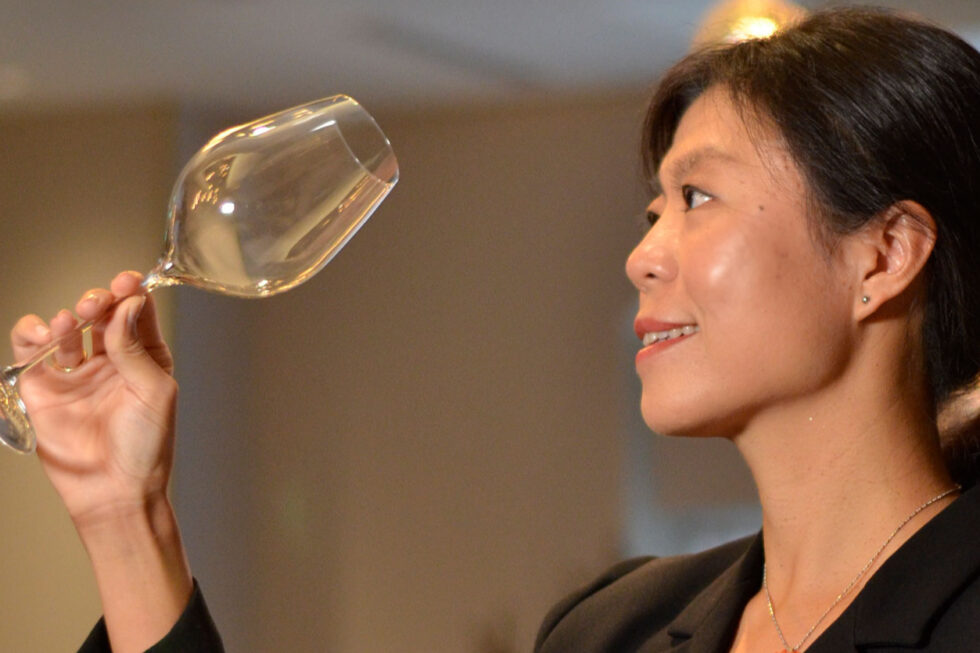
How Jiachen Lu, head sommelier, swapped courtrooms for wine cellars, legal-eze for wine lists and never looked back.
Lu’s path to becoming a sommelier is anything but conventional. Originally a lawyer in Chicago, she made a bold pivot—trading legal briefs for tasting notes—when she enrolled at Le Cordon Bleu London to study wine. It didn’t take long for her to realise she’d found her true calling.
Now Head Sommelier at CORD by Le Cordon Bleu in London, Jiachen curates an exceptional wine list and guides guests through memorable pairings that elevate their dining experience. We sat down with her to talk about her journey, the challenges she’s faced, and what she’s drinking right now.
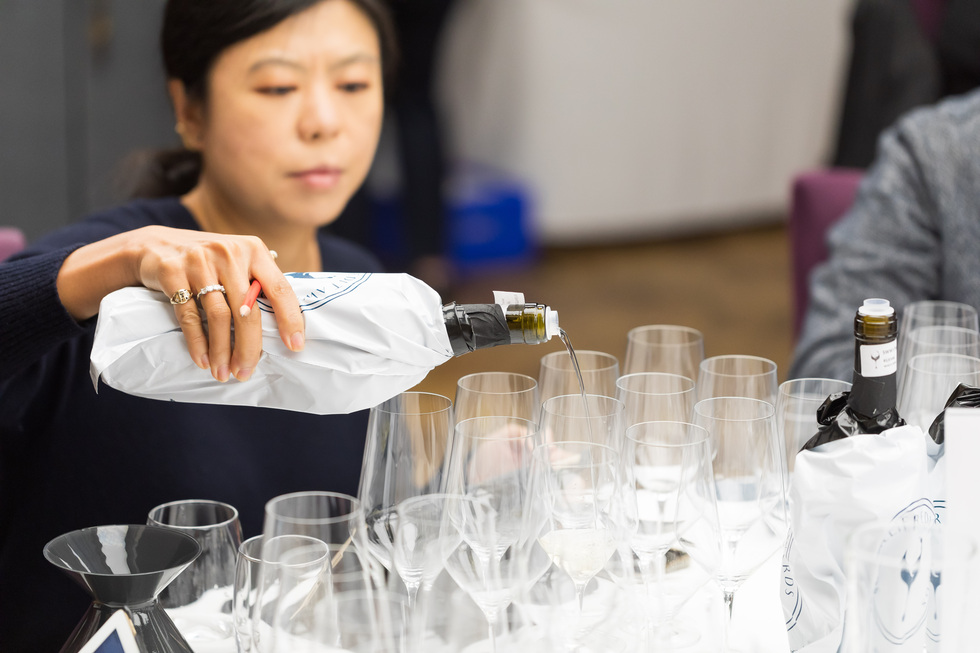
SE: How did you become a sommelier?
JL: “Destiny or serendipity—take your pick! I never considered hospitality until I completed my wine diploma. Interning at The Little Nell in Aspen, where many Master Sommeliers have trained, showed me how rewarding it is to make guests feel at ease. In 2022, I officially left law behind after a coffee chat turned into a job offer at Dinings SW3. Five months later, I earned my Certified Sommelier pin and began my first role in hospitality.”
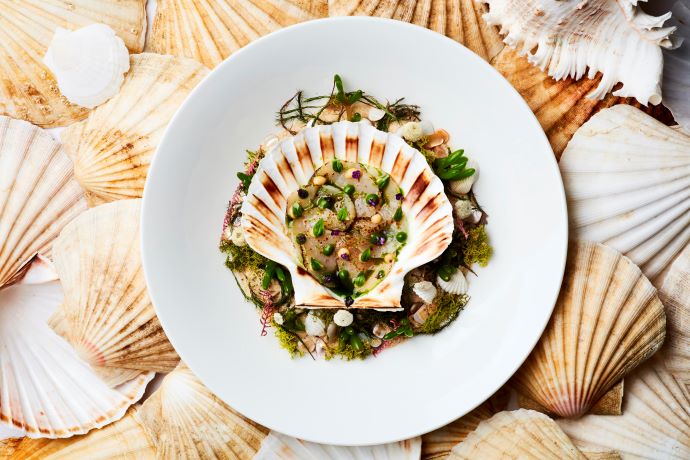
SE: What draws you to hospitality?
JL: “Law and hospitality may seem worlds apart, but they share key traits: constant learning, working in the client’s best interest, and strong communication. Whether it’s winning a legal case or selecting the perfect wine, both require deep knowledge and the ability to respond quickly and thoughtfully. That’s what excites me—solving problems and creating joy through service.”
SE: Have you faced challenges in a male-dominated industry?
JL: “I focus on treating everyone equally while respecting individual differences. If I can’t lift as many boxes as my male colleagues, I take my time—and they’re always willing to help. If certain jokes don’t resonate, I find my own way to connect with guests. Occasionally, someone questions whether an Asian woman can be as capable as a male sommelier. I stay polite and professional, and let my wine recommendations speak for themselves. I’ve been lucky—no major challenges, just small hiccups. And I’m optimistic: the industry is evolving every day.”
SE: What’s your take on London’s sommelier and restaurant scene?
JL: “London is the food and wine capital of the world—no exaggeration! The sheer volume of tastings, seminars, competitions, and qualifications available here is unmatched. That’s why I moved here. The restaurant scene is fiercely competitive, so staying sharp and constantly improving is essential.”
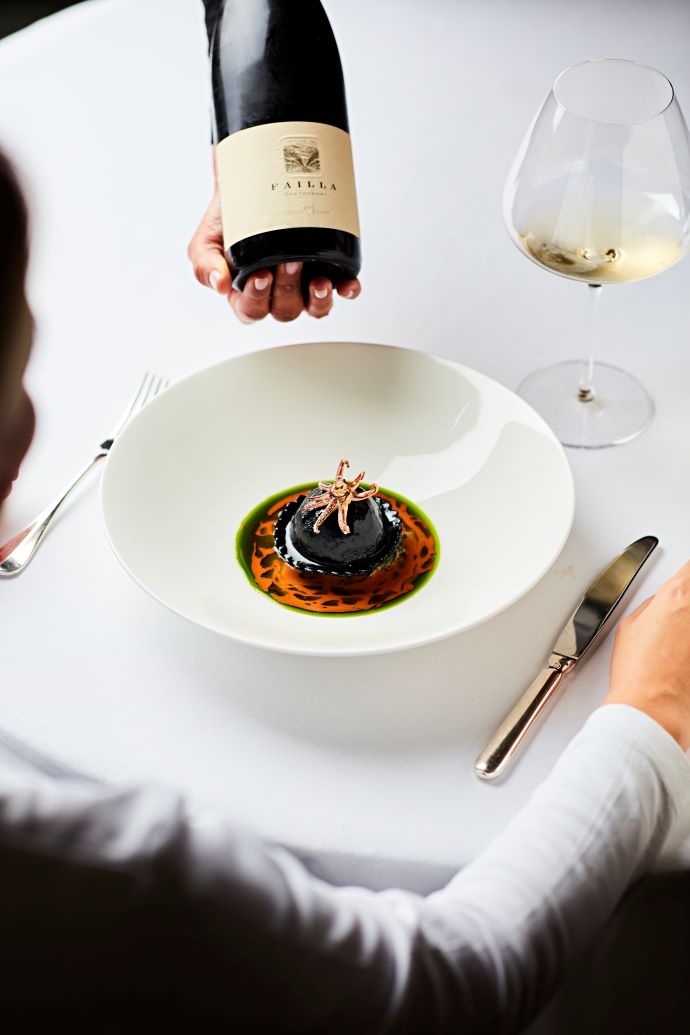
SE: What are you drinking right now—and what do you recommend to guests?
JL: “For study, I stick to classic wines that show typicity. But I treat myself to bottles that are off the beaten path—like Retsina, Austrian Gemischter Satz, or indigenous reds from Turkey. At work, I love introducing guests to lesser-known gems. A barrel-fermented Assyrtiko from Santorini can be a brilliant alternative to a pricey Californian Chardonnay. Xynisteri is great for those seeking lower acidity, and Pais offers a softer tannin profile than Pinot Noir. Seeing a guest’s smile after that first sip—that’s the magic.”
Jiachen’s story is a reminder that passion often lies just beyond the familiar. From law to wine, she’s carved a path that blends intellect, intuition, and hospitality—one glass at a time.