As Portugal continues to captivate a global audience, Pedro Guedes de Almeida highlights the vital and increasingly dynamic role sommeliers play in bringing the country’s wines, culture, and identity to life.
“We are experiencing significant change and new challenges, largely driven by the rapid growth of tourism in Portugal,” he explains. “To respond effectively, we need more sommeliers in the market, professionals capable of explaining the identity of Portuguese wines and their regions.”
This is one of the most demanding yet rewarding aspects of being a sommelier in Portugal. Our country’s diversity can seem overwhelming at first. The sommelier’s role is to transform that complexity into an advantage.
With tourism now firmly embedded in the national economy, particularly across wine, gastronomy and heritage, the sommelier’s role has grown into something far more expansive. “The sommelier’s role is fundamental,” Pedro says, “not only to guide wine choices, but to elevate the overall gastronomic and cultural experience.”
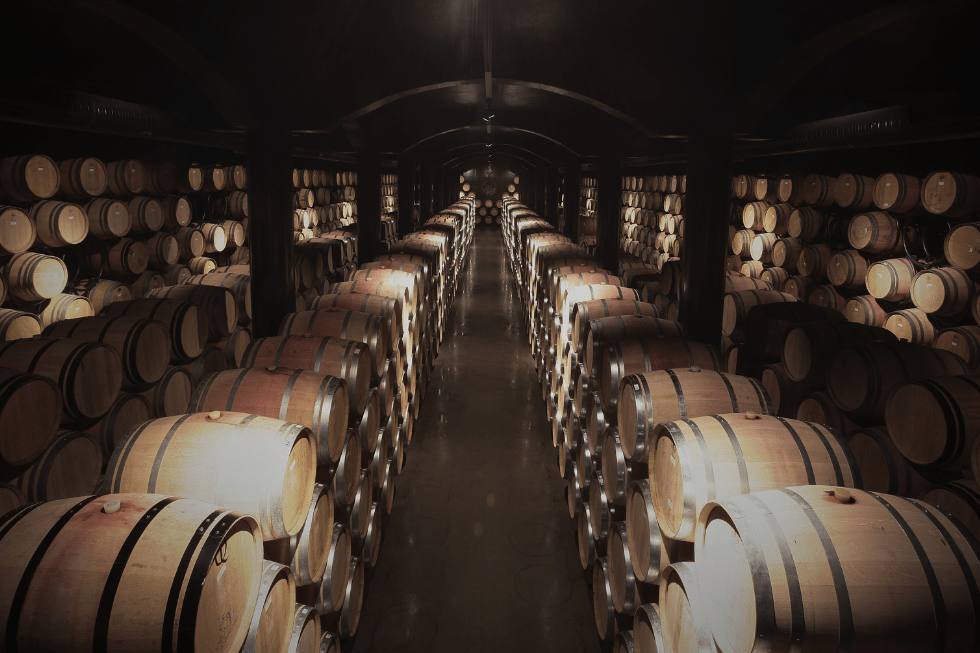
Turning complexity into curiosity
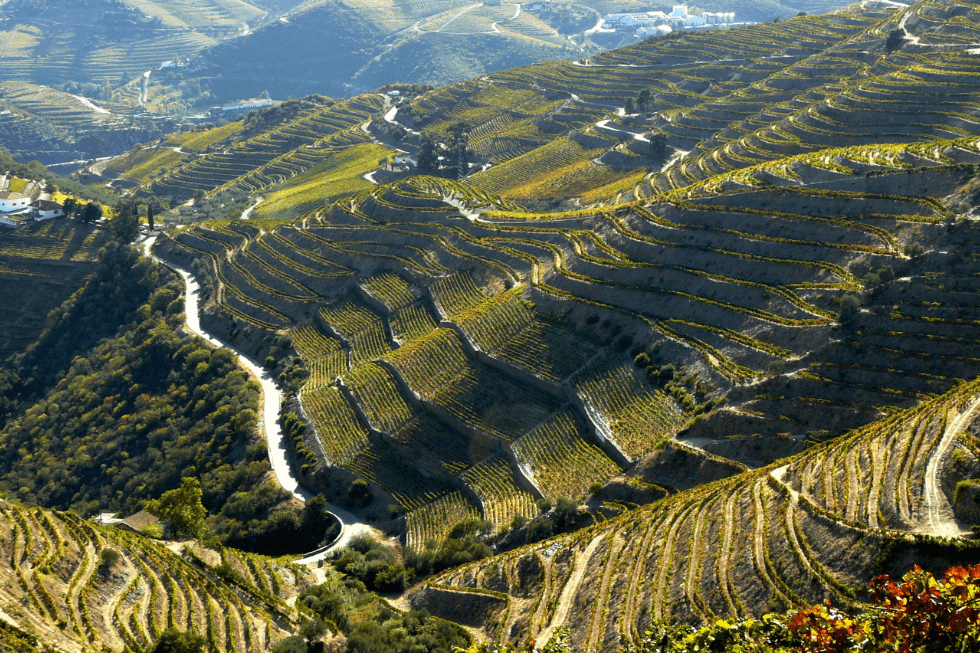
Portugal’s vinous landscape remains one of Europe’s most intricate: more than 20 DOC regions, hundreds of indigenous grape varieties, and an astonishing breadth of styles. For guests, this richness can feel daunting. For sommeliers, it is both challenge and opportunity.
“This is one of the most demanding yet rewarding aspects of being a sommelier in Portugal,” Pedro reflects. “Our country’s diversity can seem overwhelming at first. The sommelier’s role is to transform that complexity into an advantage.”
Rather than simplifying, the task is to reframe. “Today’s international consumers are increasingly curious; they are open to discovering authenticity,” he continues. “It is up to the sommelier to guide them through this journey in a way that feels both approachable and inspiring.”
Beyond the glass: the sommelier as cultural connector
Yet while Portugal’s global reputation continues to rise, the profession itself still faces structural gaps. “There are still many restaurants in Portugal without a dedicated sommelier,” Pedro notes candidly, adding that this often results in “a lower standard of wine service.”
But within this challenge lies potential. “There are lots of opportunities to increase the level of information shared with guests not only about wines, but also about regions and local history,” he says. For Pedro, the sommelier’s true value lies in connecting narratives. “Portuguese cuisine, like our wines, is incredibly diverse from region to region,” he explains. “The sommelier becomes a connector, bringing together food, wine, tradition, and storytelling to create a deeper, more meaningful experience.”
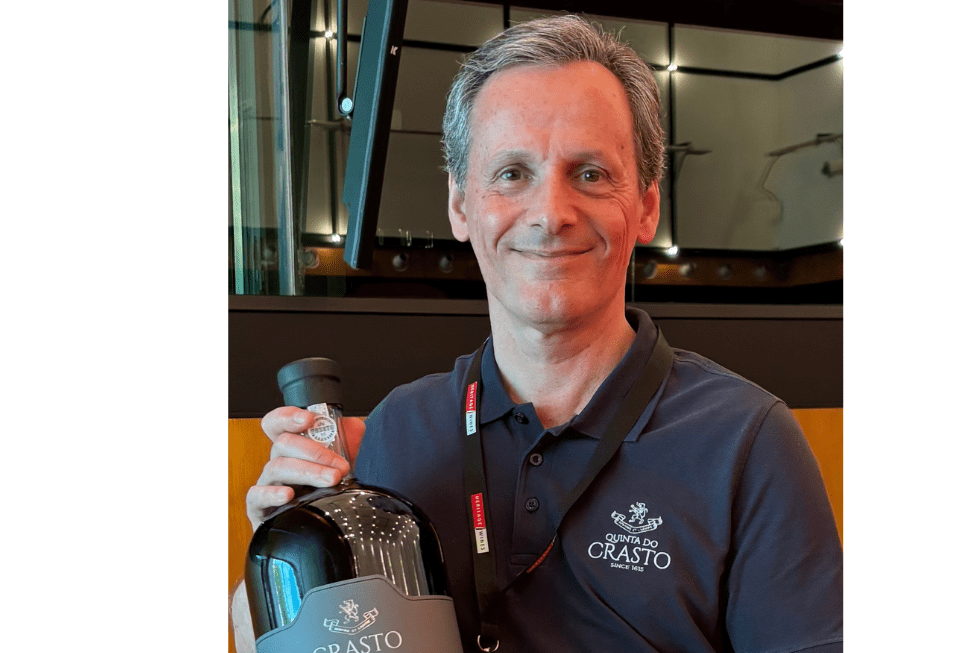
A small country, a vast responsibility
With international attention intensifying, the question arises: do Portuguese sommeliers shoulder a greater burden when shaping first impressions?
“I believe the level of responsibility is similar across all wine-producing countries,” Pedro says. “What differentiates Portugal is the remarkable level of complexity found within such a small geographical area.”
That density of diversity often surprising to first-time visitors demands both precision and confidence. “With more than 20 DOC wine regions, each with its own identity, sommeliers here are tasked with navigating and communicating this diversity,” he adds. “That challenge is also what makes Portugal so unique.”
Holding the line on authenticity
As Portugal captures the attention of the global luxury market, the stakes rise further. International expectations can, at times, encourage simplification. Pedro, however, is clear on where the sommelier must stand. “A sommelier’s first responsibility is to ensure a truly memorable and unique experience for the guest,” he says. “This is exactly what luxury markets are looking for.”
The answer is not to dilute, but to deepen. “It is essential to share detailed, high-quality information about Portugal’s wine regions, highlighting the diversity of terroirs, grape varieties, styles and traditions,” he emphasises. “Authenticity should never be compromised; instead, it should be celebrated.”
The next generation
Looking ahead, Pedro sees a profession that will only grow more demanding and more rewarding. The key, he suggests, lies in mindset as much as knowledge. “Curiosity and creativity are essential traits,” he says. “Alongside these, a high level of knowledge and professionalism remains fundamental.”
In a country defined by complexity, versatility will be everything. “Given the extraordinary diversity we have, the role will continue to be challenging,” he concludes. “But for those who embrace it with passion and dedication, it is also incredibly rewarding.”
In Portugal today, the sommelier is no longer simply a guide to the wine list. As Pedro Guedes de Almeida makes clear, they are interpreters of place, custodians of identity, and, perhaps most importantly, storytellers of a country still revealing itself to the world.