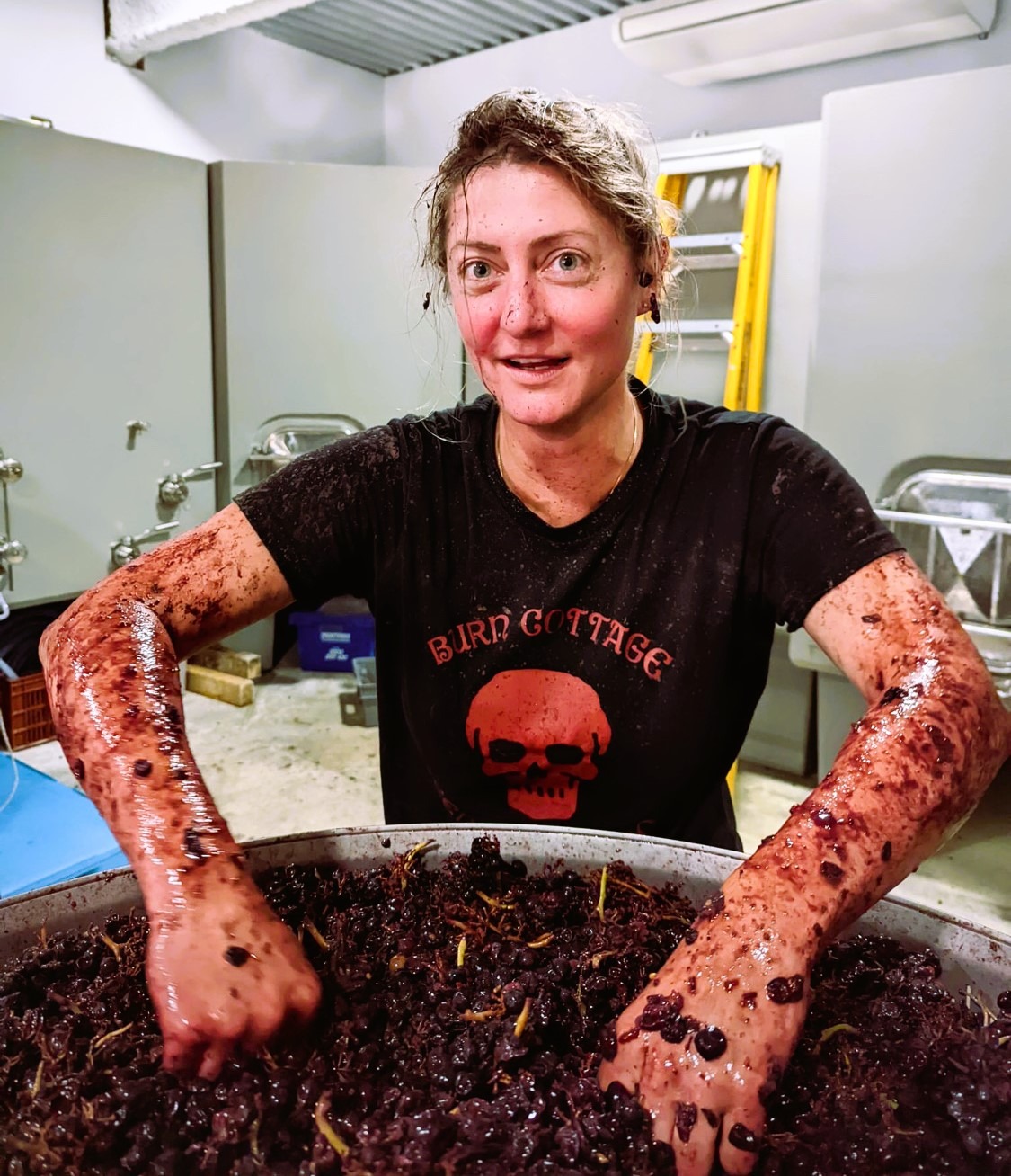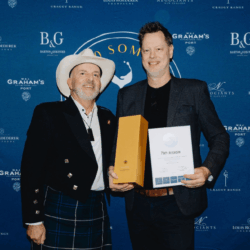
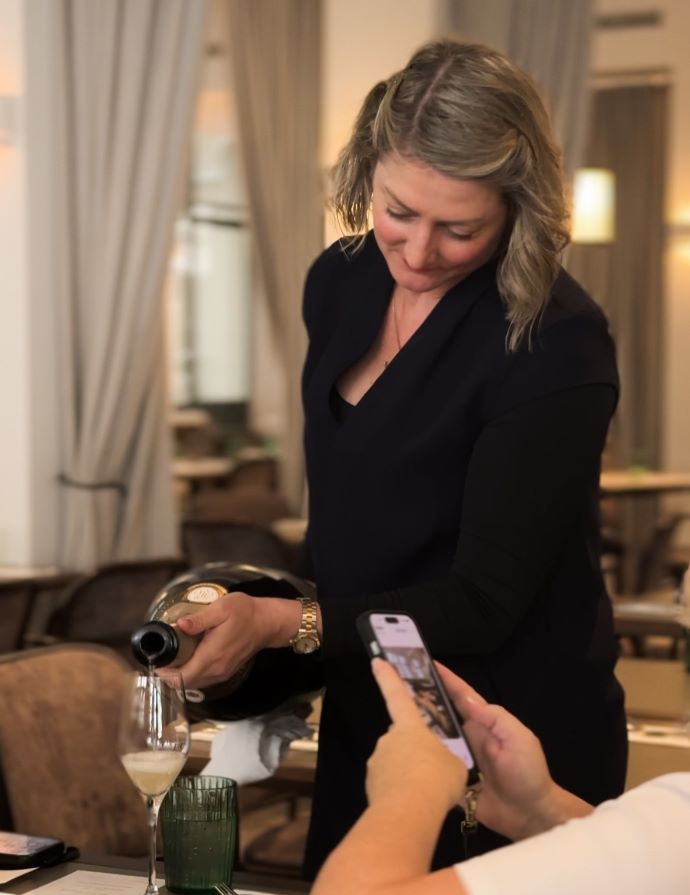
Top 100 Sommeliers 2025 New Zealand winner, Leah Kirkland talks about the changing role of the sommelier, evolution of wine service culture, and what New Zealand’s dining scene can offer an international audience.
SE: How important is the role of the sommelier in New Zealand and how do you see it changing?
Leah Kirkland: It has been fascinating to watch how much the role of the sommelier has grown in New Zealand since I started in the late 1990s, and especially since returning home in 2020 after time abroad. Guests are increasingly asking to speak to the sommelier, which signals a meaningful shift in how wine service is perceived.
New Zealand diners are becoming more comfortable asking questions, expressing curiosity, and seeking guidance. There has also been a change in tone. Wine service today feels less formal and more human. The role of the sommelier is no longer about authority behind a list, but about connection, translation, and enhancing the guest experience. Wine is more accessible, and our job is to support enjoyment, not create barriers.
SE: What did it mean to place first in the inaugural Top 100 Sommeliers New Zealand?
Leah Kirkland: I was genuinely surprised. New Zealand has an incredibly strong hospitality community, and many of my peers have extensive formal qualifications and international experience. To receive that recognition was a real honour.
What stood out for me was that it felt like a celebration of the industry as a whole, not just an individual achievement. The sense of generosity, collaboration, and mutual respect within our hospitality community is something I feel very proud of. That said, future finalists should be warned. Recognition also comes with a noticeable increase in people wanting to introduce you to their wines.
SE: What does the sommelier contribute to the dining experience beyond food?
Leah Kirkland: A restaurant at its best is a collective effort. It is a team working towards a shared vision to deliver a complete experience. Food, wine, service, and atmosphere all need to align. The sommelier plays a key role as the bridge between the producer and the guest. We are communicators and storytellers, often interpreting complex information in a way that feels natural and relevant. There is also a strong emotional intelligence component. Reading the table, adjusting tone, and responding to different expectations are just as important as technical knowledge.
While the chef defines the narrative on the plate, the sommelier builds around it, creating continuity, balance, and flow across the meal.
The sense of generosity, collaboration, and mutual respect within our hospitality community is something I feel very proud of. That said, future finalists should be warned. Recognition also comes with a noticeable increase in people wanting to introduce you to their wines.
SE: What advice would you give to those pursuing a career in wine service?
Leah Kirkland: Study, read, taste, and absorb as much as possible, but remain open minded. Take opportunities to learn different parts of the trade, from retail to restaurants to working with producers. Each perspective builds understanding.
Connecting directly with producers is invaluable. Knowing where wine comes from, both geographically and personally, adds depth to how you present it. Be patient with yourself. Wine service is a craft that develops over time and cannot be rushed. Most importantly, remember that this is a people centred profession. Communication, empathy, and approachability matter just as much as knowledge.
SE: How did you first discover wine and what made it resonate with you?
Leah Kirkland: Wine was not a major part of my upbringing, so my real exposure came later through hospitality. I was working part time in a restaurant in Takapuna, Auckland, surrounded by excellent mentors who encouraged curiosity and shared their knowledge generously.
One moment that stayed with me was in the early 2000s at Killarney Street. After service we would sit together with a simple cheese plate, play cards, and open a bottle of wine. A 2003 Martinborough Vineyards Pinot Noir made a lasting impression and shaped a love for Pinot Noir that has never faded. Another defining moment was at my twenty first birthday, when a friend’s father introduced me to the pairing of Sauternes with Roquefort. His explanation of how sweetness, acidity, salt, and texture interact stayed with me. It was an early lesson in balance and contrast, and it remains one of my favourite pairings today.
SE: What wines and hospitality venues are inspiring you at the moment?
I am always drawn to places with clarity and confidence, venues that understand their guests and deliver a cohesive experience while still being willing to challenge expectations. In Auckland, I regularly return to Apero, Ground, and Bare Wines. Camino is another standout. Sitting at the counter, engaging with the open fire and kitchen, offers a particularly immersive experience.
More broadly, I am enjoying wines that feel honest and unforced. Wines with clarity, drinkability, and a strong sense of place. Wines that sit comfortably at the table and encourage conversation rather than demanding attention. And wherever you are in the world, supporting hospitality and the people behind it has never been more important.