For a grape that has been cultivated for over a thousand years, Koshu still feels like a discovery – quiet precision, mineral‑etched profile, versatility. For sommeliers, its an opportunity to explore how site, climate, and culture converge in the glass.
A grape defined by its landscape
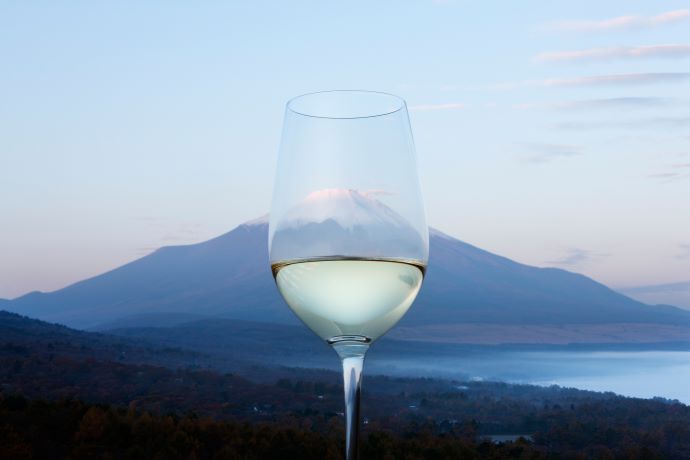
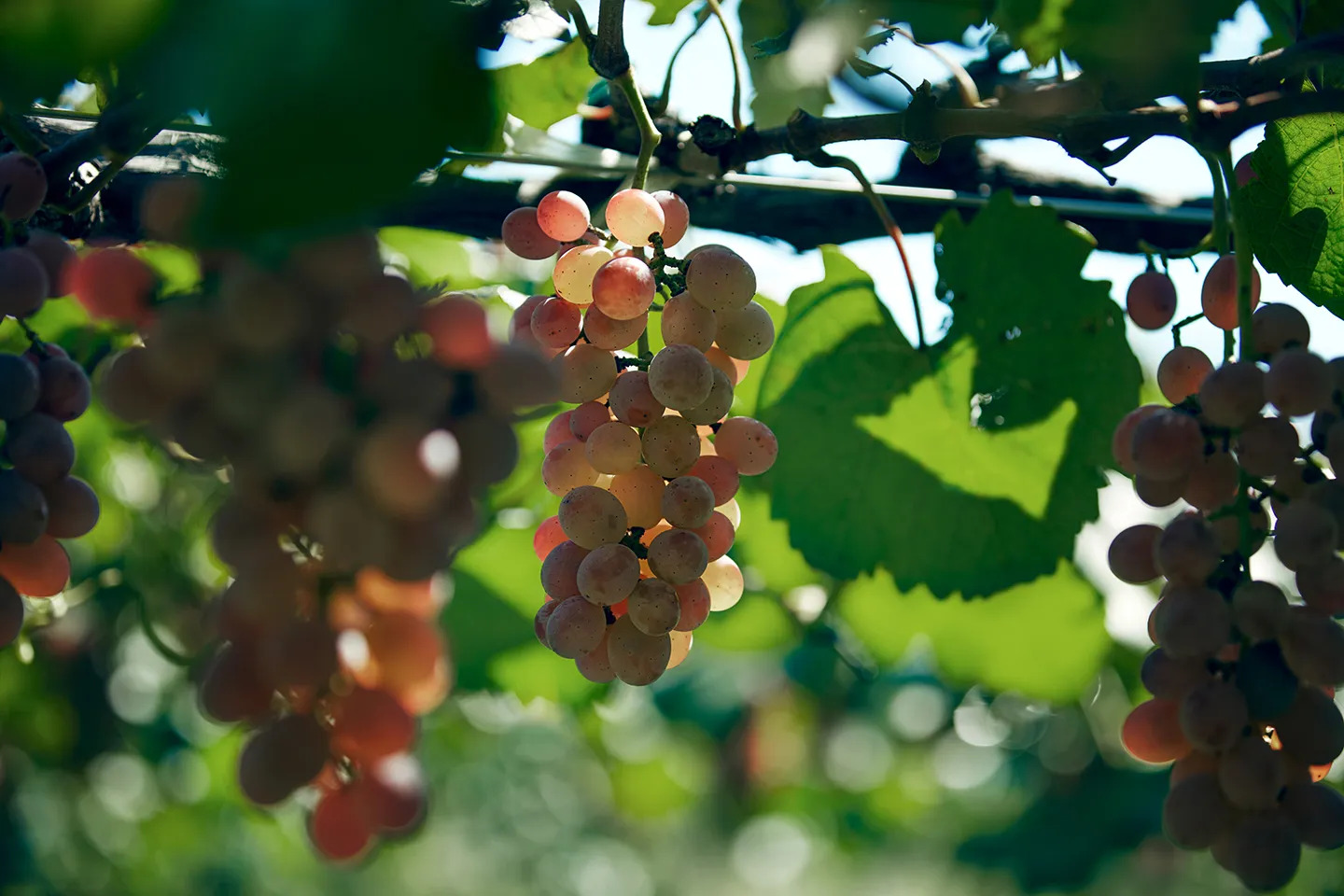
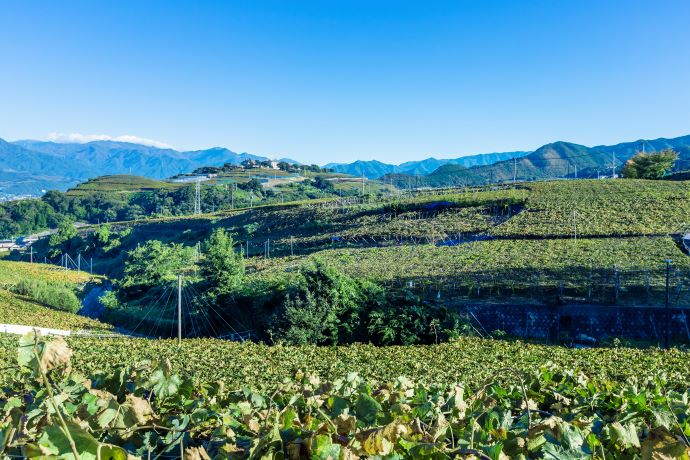
Koshu’s identity is inseparable from the dramatic geography of Japan’s Yamanashi Prefecture, where the grape thrives in the foothills of Mount Fuji. The region’s volcanic soils, high diurnal shifts, and abundant mountain run off create a natural environment for delicacy and purity. Thin skins, gentle aromatics, and naturally high acidity mean Koshu transmits its environment with unusual clarity.
This is exactly what appeals to sommeliers like Jaichen Lu, Head Sommelier at CORD. “For a fine‑dining French restaurant with a British twist, the traditional regions and classic varieties must remain the core focus,” she says. “But Koshu — especially something like the Château Mercian Koshu Gris de Gris — brings a new dimension. Guests are intrigued: ‘I’ve never had anything from Japan! What is Koshu? What does it taste like?’”
The answer, of course, is rooted in terroir. Koshu’s citrus‑driven freshness and savory minerality are direct reflections of its mountain‑influenced climate and volcanic soils. Even when made with skin contact, as in the Gris de Gris, the wine remains poised and understated — an orange wine defined not by funk but by finesse.
Terroir as a conversation starter
For Luke Harbor, Group Beverage Director at The Pig, Koshu’s sense of place is its greatest asset. “Listing Koshu brings a strong sense of place and originality to a wine list,” he explains. “It acts as a conversation starter, offering somms something new to engage with, learn about, and share with guests. For those interested in exploration and storytelling, Koshu gives depth, intrigue, and authenticity, while still being approachable.”
That authenticity is not abstract. It’s geological, climatic, and cultural. Koshu’s restrained aromatics, saline edge, and feather‑light texture speak to a viticultural tradition shaped by humidity, altitude, and centuries of adaptation. It is a wine that tastes like where it comes from.
Precision meets versatility
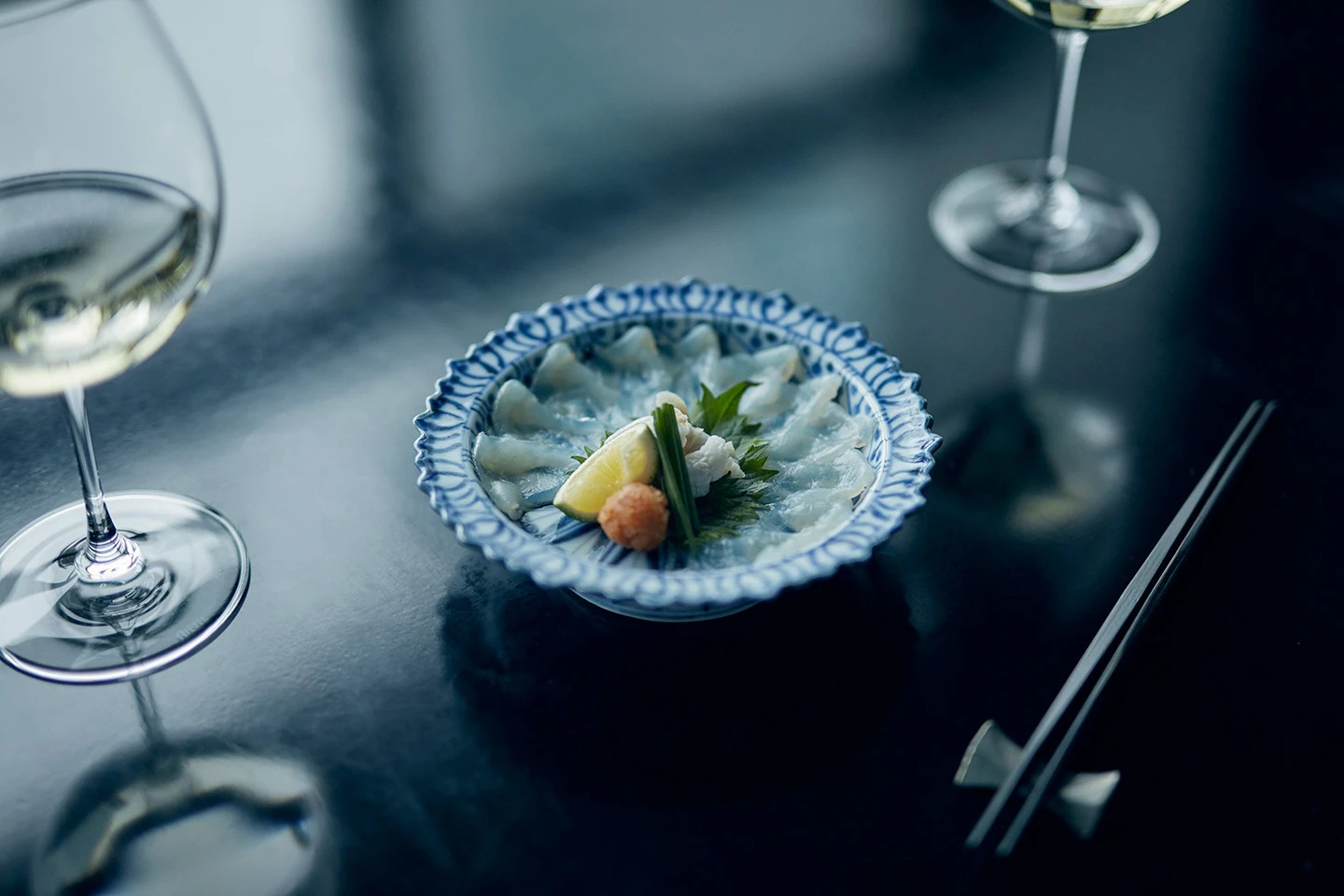
Koshu’s terroir transparency is matched by its extraordinary food‑pairing range. Its acidity is gentle rather than piercing, its fruit subtle rather than tropical, and its minerality quietly persistent — a combination that allows it to sit comfortably alongside delicate, creamy, or even slightly fatty dishes.
Lu highlights its affinity for seafood: “The citrusy freshness and savory minerality of Koshu makes it a wonderful pairing for raw seafood — think scallop ceviche — and for fish with creamy sauces, such as seared halibut with herbed beurre blanc.”
Harbor finds its versatility extends even further: “Beyond seafood, Koshu works surprisingly well with piggy bits — our take on canapés — and with kitchen‑garden salads, reflecting that vibrancy from both wine and dish.”
This adaptability is not accidental. It’s the natural outcome of a grape shaped by a cool, mountainous climate and grown in soils that lend structure without weight. Koshu’s precision is not stylistic; it is environmental.
A wine that carries its home with it
In an era where sommeliers seek wines that tell stories of place, Koshu stands out. It is subtle yet distinctive, ancient yet newly appreciated, and deeply tied to the landscapes that nurture it. Whether poured as an introduction to Japanese wine or positioned as a terroir‑driven alternative to classic European whites, Koshu offers something rare: a wine that feels both fresh and inevitable.
Its rise on Western wine lists is not a trend. It’s a recognition of terroir — and of a grape that expresses it with quiet brilliance.