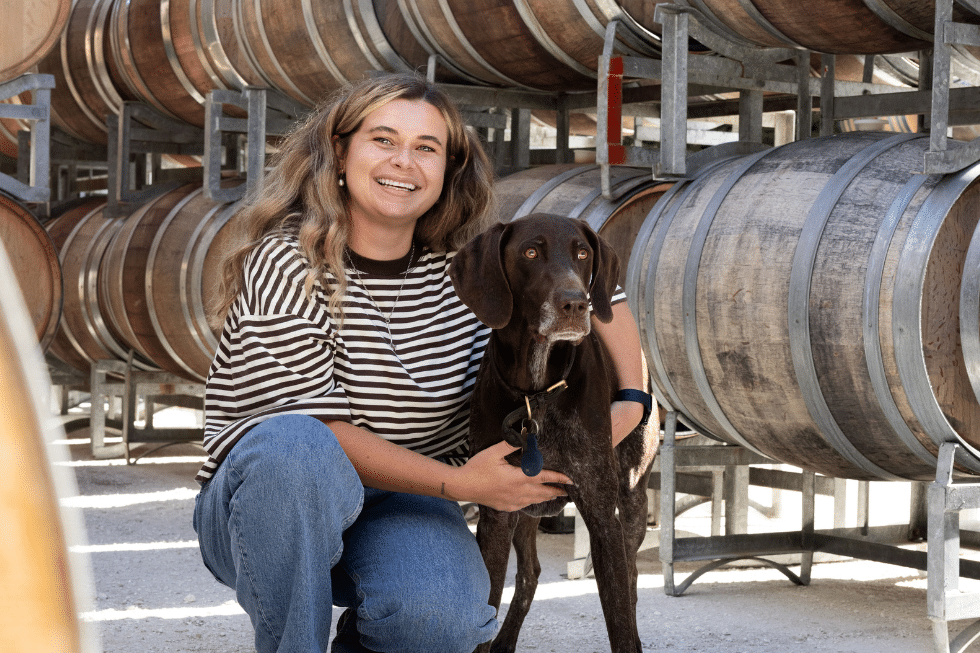
Vineyard ferments, textured whites, Greystone makes compelling wines by embracing uncertainty rather than controlling it. Georgia Melhopt explains.
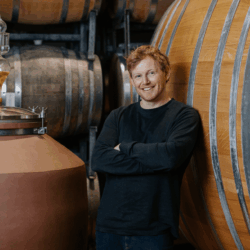
At Greystone in North Canterbury, New Zealand, some of the most important decisions happen by letting go of control. In an era when wineries can monitor every detail of fermentation, chase consistency through technology and fine-tune every winemaking variable, Greystone has carved out a reputation for doing the opposite. On the limestone-rich slopes of Omihi, winemaker Georgia Melhopt is committed to allowing the vineyard to take the lead.
That philosophy is perhaps best embodied by Greystone’s Vineyard Ferment Pinot Noir, a wine fermented not in the controlled environment of the winery but outside among the vines from which it was grown. “It really is at the mercy of the season,” says Melhopt.
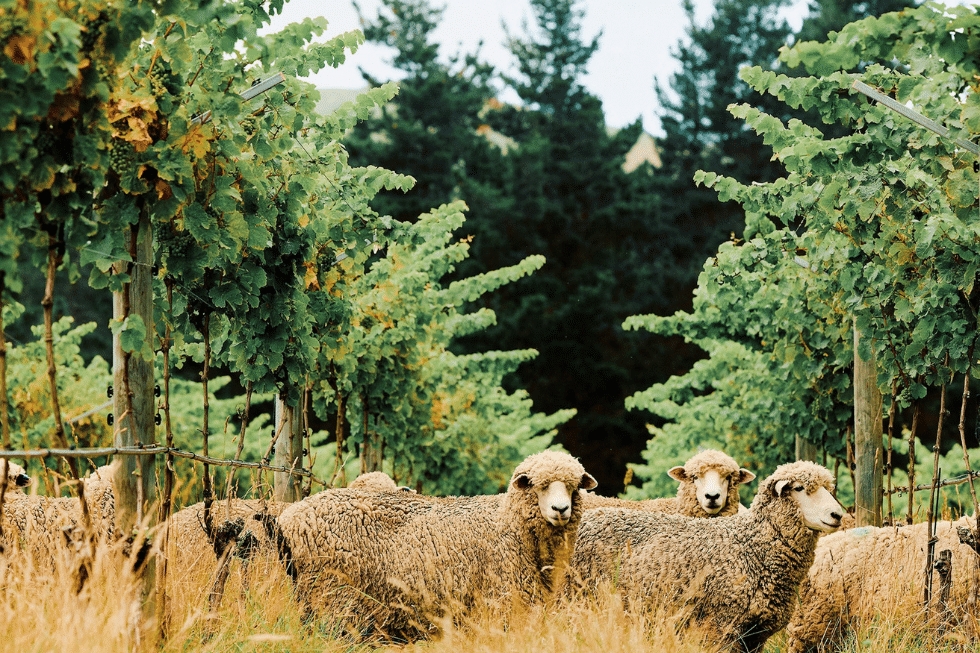
Autumn nights can fall to just a few degrees while daytime temperatures can push the ferment beyond 30°C. Those fluctuations continue daily throughout fermentation, creating conditions that many winemakers would find difficult to embrace. Yet Melhopt believes those temperature swings are exactly what give the wine its distinctive personality. While the vineyard ferments experience dramatic highs and lows, they often run cooler overall than Greystone’s stainless-steel winery ferments. The result is slower yeast activity, gentler extraction and a markedly different style of Pinot Noir. “The daily warming seems to pull out aromatics and flesh without extracting harsh tannins,” she explains. The finished wines tend to be lighter in colour, softer in texture and more delicate in structure, with an elegance that reflects both the site and the slower pace of fermentation.
Savoury & spice
For sommeliers familiar with the Vineyard Ferment wines, one recurring theme commonly appears in tasting notes: savouriness. Notes of wild herbs, umami and earthy spice frequently sit alongside the fruit profile. According to Melhopt, the answer lies in both fermentation behaviour and microbial diversity. The vineyard ferments take longer to start and longer to finish than their winery equivalents. Fermentation progresses unevenly, with extended skin contact and longer post-fermentation maceration naturally following. At the same time, research conducted by Lincoln University has shown the ferments maintain a larger population of non-Saccharomyces yeasts throughout fermentation, creating a different aromatic and flavour profile from inoculated ferments.
“The microbiology and the fermentation kinetics are impossible to separate,” says Melhopt. “The wild population creates the conditions for a slow, erratic fermentation, and together they produce those savoury characteristics.” That commitment to expressing place extends beyond Pinot Noir.
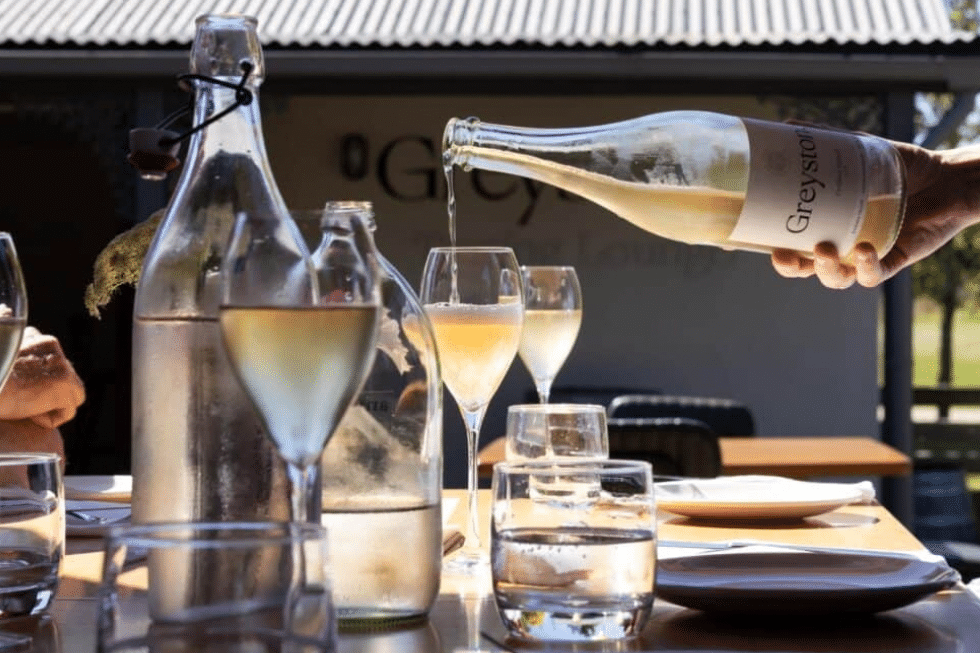
Greystone’s Sauvignon Blanc and Pinot Gris have become favourites among sommeliers looking for alternatives to the highly aromatic style many consumers associate with New Zealand. Rather than leading with tropical fruit and pungent aromatics, Melhopt prefers to talk about texture. Both wines come from clay and limestone soils and spend extended time on lees. The Sauvignon Blanc offers phenolic grip, saline freshness and impressive palate weight, while the Pinot Gris delivers spice, structure and complexity that reward time at the table. “If someone is expecting passionfruit and cut grass, that’s a chance to tell a different story,” she says.
For restaurant teams, the difference becomes a point of engagement rather than a hurdle. These are wines designed to work with food, particularly richer dishes where texture becomes as important as flavour. “The aim isn’t to convince people they’re right or wrong,” says Melhopt. “It’s to make them curious.”
Pinot programme
That same sense of patience shapes Greystone’s Pinot Noir programme. As New Zealand Pinot Noir increasingly finds its way into serious collectors’ cellars, Melhopt believes Omihi’s limestone-clay soils provide the foundation for graceful evolution in bottle. The house style has deliberately moved towards elegance and restraint. In their youth, the wines are bright, mineral and energetic. By five to seven years, the tannins soften and the fruit begins shifting towards more savoury territory.
“It’s a graceful evolution rather than a dramatic transformation. It’s probably the central tension in our winemaking.”
At the ten-year mark, Melhopt expects collectors to find dried cherry, rose petal and forest-floor complexity alongside subtle game notes and a long, saline finish. “It’s a graceful evolution rather than a dramatic transformation,” she says. For all Greystone’s embrace of wild fermentation, organic farming and regenerative practices, Melhopt is clear that naturalness should never come at the expense of quality. “It’s probably the central tension in our winemaking,” she admits.
While the goal is to interfere as little as possible, expectations remain high, particularly among sommeliers pouring wines by the glass. Consistency, stability and cleanliness still matter. Greystone’s solution is meticulous attention throughout the growing and winemaking process. Rigorous hygiene, close monitoring and intervention only when necessary allow the wines to remain expressive without sacrificing precision. For Melhopt, there is a clear distinction between wildness and faults. “The wild character belongs in the texture, the aromatics and the energy of the wine,” she says. “Faults simply get in the way of expressing the vineyard.”
The same philosophy guides Erin’s Chardonnay, one of the estate’s flagship wines. While reduction remains one of the most debated topics in modern Chardonnay, Melhopt avoids treating it as a stylistic goal. A subtle flinty, matchstick character can add tension and savoury complexity, but only when it supports the fruit rather than dominates it. “Our clay and limestone vineyard already provides plenty of intensity and structure,” she explains. Careful lees work, considered oak use and patient élevage help strike a balance between richness and precision, producing a wine that is both powerful and restrained.
In an age of increasing control, Greystone’s wines offer a reminder that authenticity often lies in accepting uncertainty. The weather may be unpredictable, the ferments unruly and the outcomes impossible to script, but for Georgia Melhopt, that’s exactly where the most interesting wines begin.