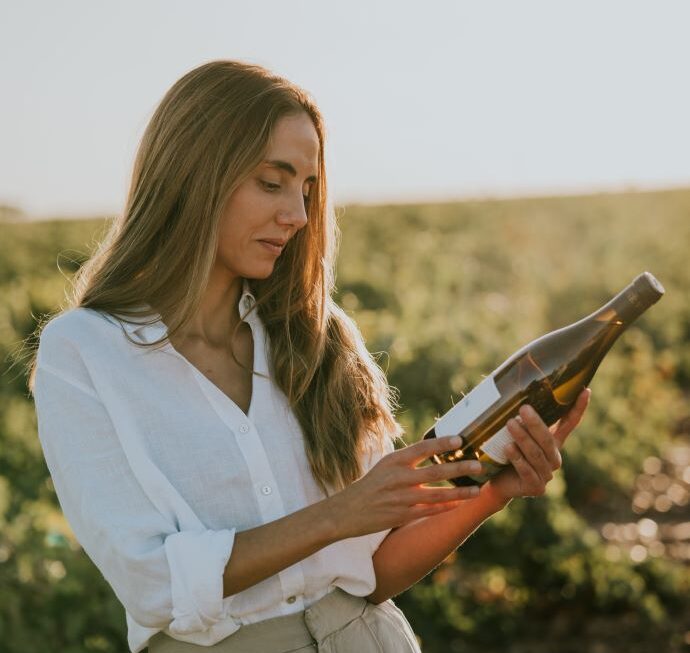
Restraint, freshness and a clear sense of place make Martina Prieto Pariente’s wines favourites for sommeliers. From verdejo to the Atlantic, these wines are designed to live their best life on the restaurant floor.
There are certain producers whose wines seem to appear quietly on lists and then, before you realise it, they are everywhere. Not out of fashion or noise, but because they work. Martina Prieto Pariente, and her family winery, is one of those names.
Across Rueda, Castilla y León and now Galicia, her projects at Bodegas José Pariente, Prieto Pariente, and most recently A Vilerma share a common thread: clarity. These are wines that know where they come from, know how they want to be served, and understand that their true life begins not in the cellar, but in restaurants. A philosophy shaped by hospitality. “We have always looked to create wines that have the capacity to age because we believe that this is a gastronomic style which suits sommeliers. Quality has always been our aim and you can only achieve this via a long term vision.”
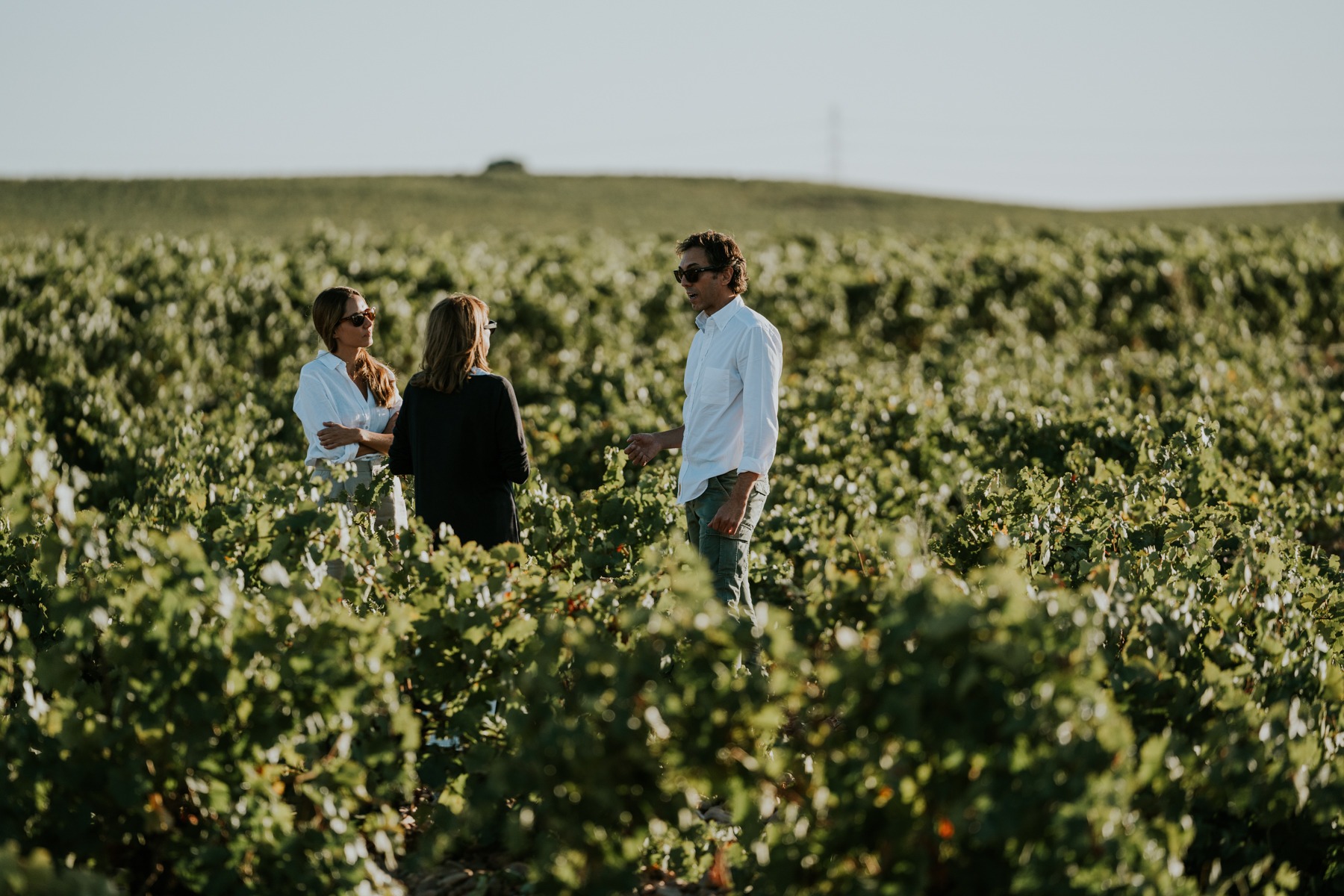
Martina often talks about slowing down rather than chasing effect. About observation rather than intervention. It’s a deceptively simple idea and one that feels increasingly relevant in today’s dining rooms. “The real revolution is to pause, observe what is happening, and move forward with a critical eye,” she has said. “Sommeliers have a critical eye and as a family wine producer we rely on their direct contact with the consumer – their story telling and the experience they give in a restaurant is key to diners understanding what we are trying to do at José Pariente.”
A bottle is not just opened. It is interpreted. That sense of interpretation is exactly where sommeliers add value, and it is refreshing to see a producer acknowledge that role so clearly. Sommeliers help in that process. Some restaurant guests don’t have a deep knowledge of wines and the sommelier gives them security.
That attitude shows most clearly in the wines themselves. The evolution of their Verdejos has been thoughtful and steady. Less about making a loud statement, more about understanding what variety can offer when it is given time, precision and respect. The result is a style that sits comfortably on modern wine lists: fresh, textural, and capable of pairing well beyond the aperitif.
Verdejo with a place at the table
For sommeliers, Verdejo can be a difficult category. Too often it is expected to perform one role and one role only. Martina and the team at Bodegas José Pariente show that it can do more and, crucially, that guests are willing to come with you on that journey.
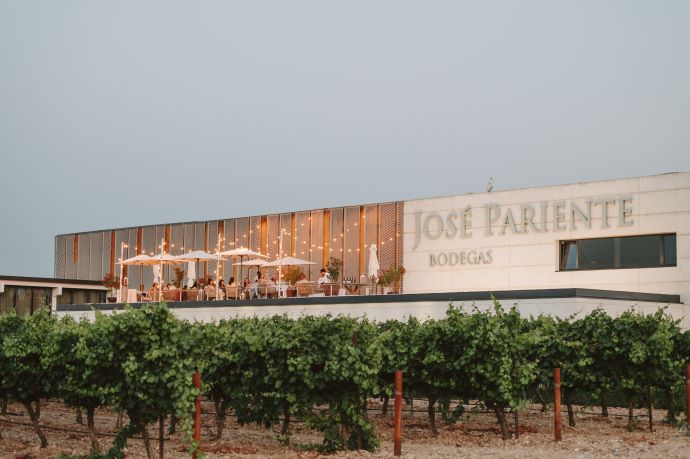
By focusing on vineyard work, parcel selection and restrained winemaking, the wines retain freshness while gaining depth. They hold up by-the-glass, stay expressive through a service, and make sense with food. Three qualities that matter greatly on the floor.
Martina herself frames wine not as a finished object, but as part of a conversation, “A bottle is not just opened. It is interpreted.” That sense of interpretation is exactly where sommeliers add value, and it is refreshing to see a producer acknowledge that role so clearly. “Sommeliers help in that process. Some restaurant guests don’t have a deep knowledge of wines and the sommelier gives them security, helping augment their enjoyment of our wines.”
Balance and expression
These are wines that respond well to how people drink now. They sit easily in tasting menus, can be poured with confidence by-the-glass, and work across a diverse range of cuisines. As Martina puts it, “We believe in delicate winemaking. Wines that express soil and climate with freshness and complexity.” It is a philosophy that feels particularly aligned with sommeliers who are building lists for contemporary dining, where precision often matters more than intensity.
“Innovating doesn’t mean following trends, but opening your perspective without losing respect for origin.”
“We have spent a lot of time studying our soil types, which is especially useful in the face of climate change. The soils help the varietals to adapt and also for winemaking we can profile the balance and delicate nuances of a wine from the outset,” she adds. “The sites we chose have to have cooler conditions. Drinkers today are looking for less alcohol and higher acidity – we look for freshness.”
Looking west: Galicia and the next chapter
The family’s move into Galicia, with the acquisition of the historic A Vilerma estate in Ribeiro in 2024, feels like a natural progression rather than a departure. Atlantic varieties, granitic soils and restrained winemaking align seamlessly with the Pariente outlook. You could say they are white wine specialists. “We do make great reds,” she asserts, “our goal is to continue elevating the quality of our wines.”
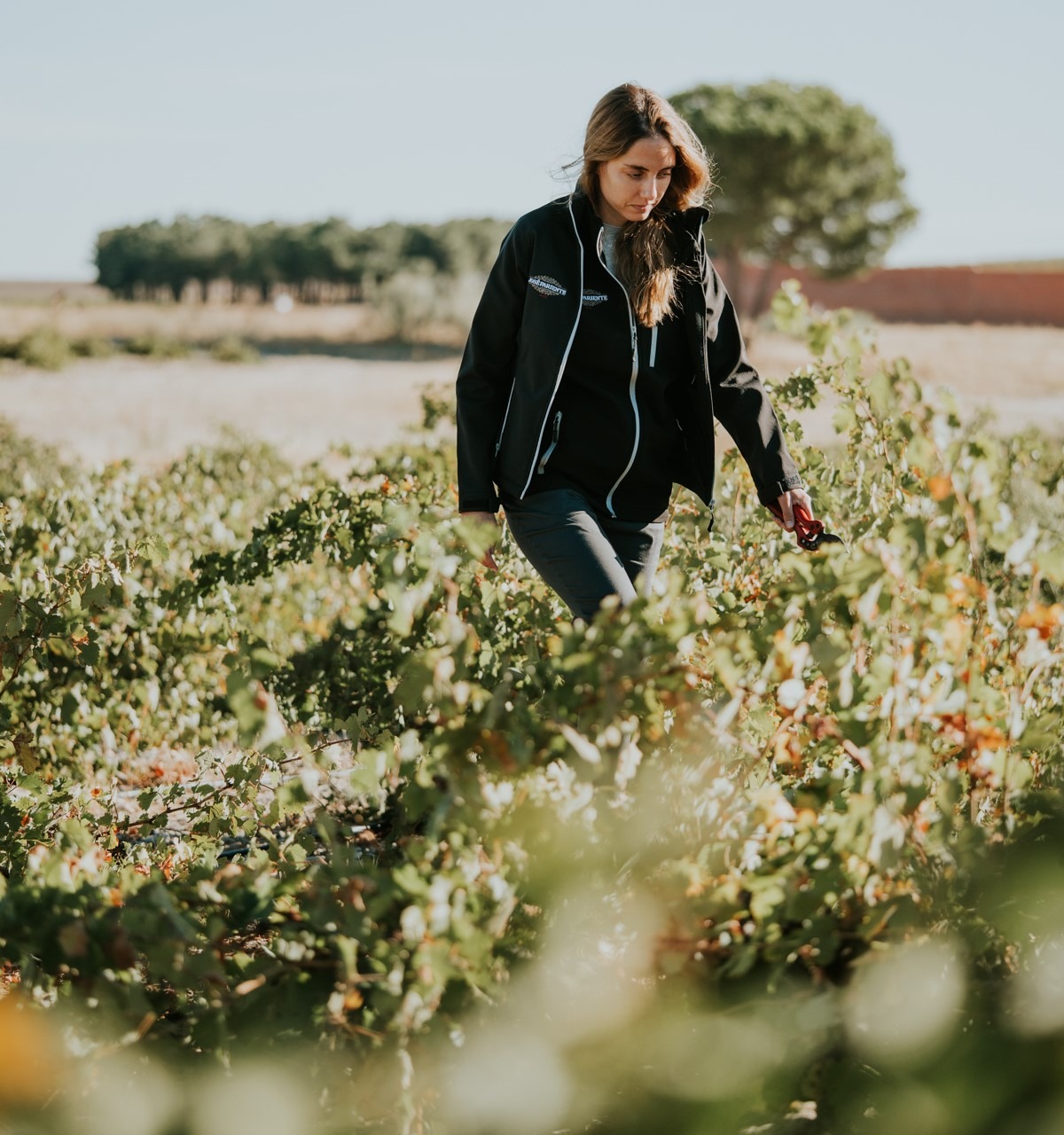
Martina is clear that this is not about following fashion, “Innovating doesn’t mean following trends,” she explains, “but opening your perspective without losing respect for origin.” For sommeliers, the appeal is immediate. These wines speak to the direction many lists are already taking towards freshness, drinkability and site expression. They bring a new voice to Spain’s north‑west without forcing it.
Why sommeliers connect with these wines
What ties all of Martina Prieto Pariente’s projects together is an understanding that wine lives its fullest life in hospitality. Restaurants, bars and sommeliers are not an afterthought here; they are central to how the wines are conceived and shared. She has noted the growing importance of high‑quality wines by-the-glass in modern gastronomy. A simple statement that speaks volumes about how she sees the future.
These are wines that trust the sommelier, reward explanation without requiring it, and invite guests into a conversation rather than overwhelming them. And perhaps that is why they appear, quietly and consistently, on some of the most thoughtful restaurant wine lists today.