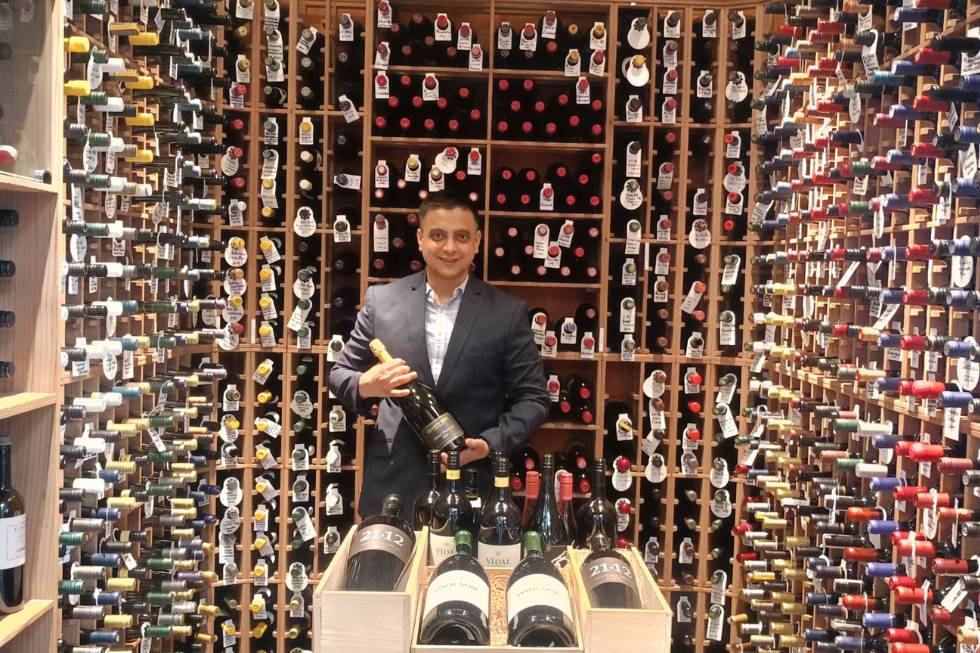
Assistant Restaurant Manager at Rosewood Kauri Cliffs and ranked #38 in the Top 100 Sommeliers of New Zealand 2025, Ashish Jha reflects on his path from a dry state in India to the global wine stage.
Growing up in a state in India where alcohol was banned, Ashish Jha’s introduction to wine was almost nonexistent. In his early years, wine and whisky were indistinguishable concepts—both distant, unfamiliar, and irrelevant to daily life. Wine was not discussed at home, nor was it part of social culture. It was only during his hotel management studies that wine entered his life in any meaningful way, and even then, not without embarrassment.
In one of his first practical tasting classes, Jha was asked to describe the aromas of a white wine. Confident but inexperienced, he identified cauliflower and tomato. The class erupted in laughter. What could have been a discouraging moment instead became a turning point. “It showed me how little I knew,” he reflects, “and how much there was to learn.” That moment sparked curiosity, humility, and ultimately a deep passion for understanding wine—not as an exercise in correctness, but as a practice of observation, learning, and expression.

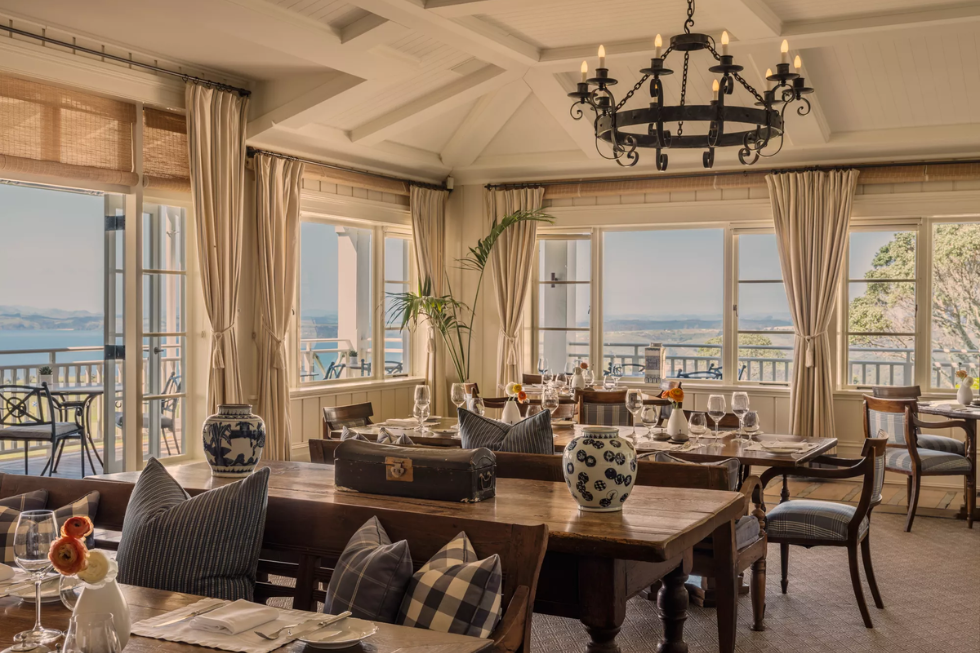
Today, Jha’s relationship with wine could not be further removed from those early misconceptions. Currently Assistant Restaurant Manager at Rosewood Kauri Cliffs, a two–Michelin Key luxury lodge perched above the Pacific Ocean in New Zealand’s Northland, he sees wine as a medium for storytelling and cultural exchange. Hospitality was always his chosen profession, but wine became the avenue through which he could make a broader impact.
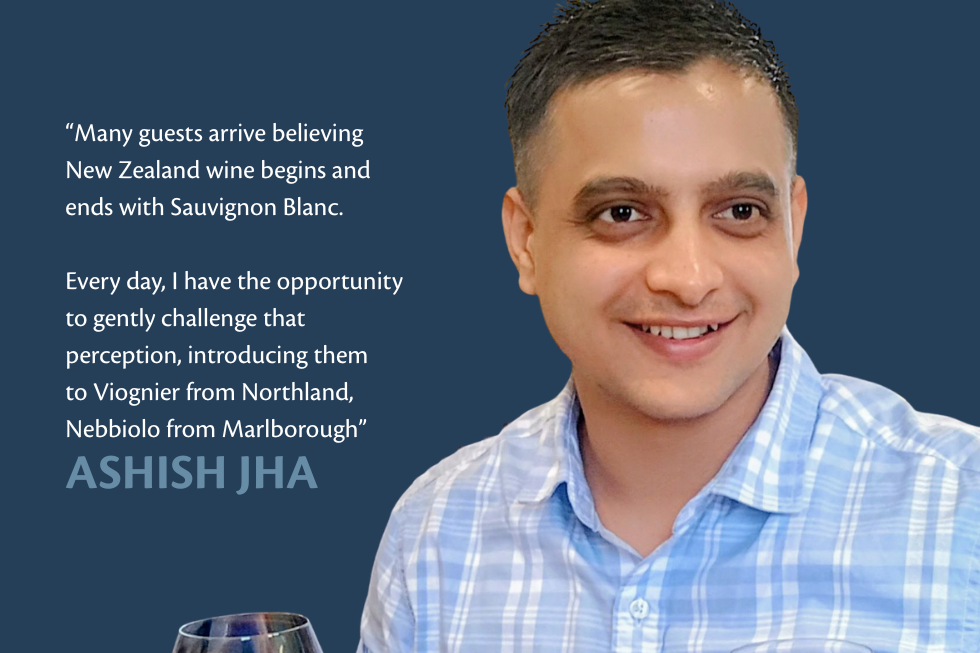
At Rosewood Kauri Cliffs, guests often arrive believing New Zealand wine begins and ends with Sauvignon Blanc. Jha gently challenges that assumption daily, introducing them to Viognier from Northland, Nebbiolo from Marlborough, and a growing range of styles that reflect the country’s diversity.
“Wine has become a way for me to represent place,” he says, “to broaden perspectives and contribute to how New Zealand wine is understood globally.”
Jha’s journey has been shaped not by a single mentor, but by a collective of influences—teachers, colleagues, supporters, and family members who believed in him, sometimes before he believed in himself. One particularly memorable moment came when his mother, who had accepted his claim that he only “studied” wine and didn’t drink it, saw that he had passed his WSET Level 3 tasting exam with distinction. Her quiet pride left a lasting impression. “Encouragement doesn’t always come loudly,” Jha notes. “Sometimes it comes through trust and silent belief.”
After gaining experience in India and Dubai, Jha made a bold decision: he moved to New Zealand simply because he wanted to see a vineyard with his own eyes. Despite years of study, he had never stood among vines. Leaving behind Dubai’s extreme heat and polished luxury hospitality, he arrived in Queenstown in the middle of winter, knowing no one. Yet almost immediately, New Zealand felt like home.
Central Otago became a defining chapter in his career. On his days off, Jha immersed himself in vineyards, spending long hours with winemakers and learning firsthand about climate, risk, patience, and passion. Wine shifted from theory to something deeply human. “That experience changed everything,” he says.
Academically, Jha chose the WSET pathway over the Court of Master Sommeliers because he wanted his wine journey to be grounded in deep knowledge as well as service. Currently completing his WSET Diploma, he values its vineyard-to-glass perspective and global scope. “It’s not just about presenting wine,” he explains, “but understanding it, telling its story, and connecting people to it.”
Having worked across India, Dubai, and New Zealand, Jha has observed stark differences in the sommelier’s role. In India, guests often gravitate toward familiar international styles. In Dubai, a cosmopolitan clientele demands versatility, though strong branding can dominate choices. New Zealand, he believes, represents the greatest opportunity—diverse soils, coastal influence, and a growing commitment to sustainable and biodynamic practices position the country for a broader global identity beyond Sauvignon Blanc.
Jha sees encouraging signs already. Guests are becoming more adventurous, exploring lesser-known local varieties, dessert wines, fortified styles, and even locally produced spirits. House-made vermouths and aromatised wines reflect a hospitality scene growing in confidence and maturity. He also believes regions like Canterbury and Northland, as well as styles such as Tannat, Grüner Veltliner, Albariño, and Rhône blends, remain underrepresented but poised for recognition.
Despite having worked across continents, Jha has no immediate desire to move on. “I’m truly happy in New Zealand,” he says. Being part of Rosewood Kauri Cliffs allows him to represent Aotearoa’s wines with pride and purpose. Recently ranked #38 in the Top 100 Sommeliers of New Zealand 2025, he has set his sights higher—aiming for the Top 5 by 2026.
Beyond personal ambition, Jha is committed to encouraging the next generation, particularly from his home region in India, where traditional career paths often dominate. He mentors anyone who reaches out, offering guidance on building a global wine career and urging them to pursue success on their own terms.
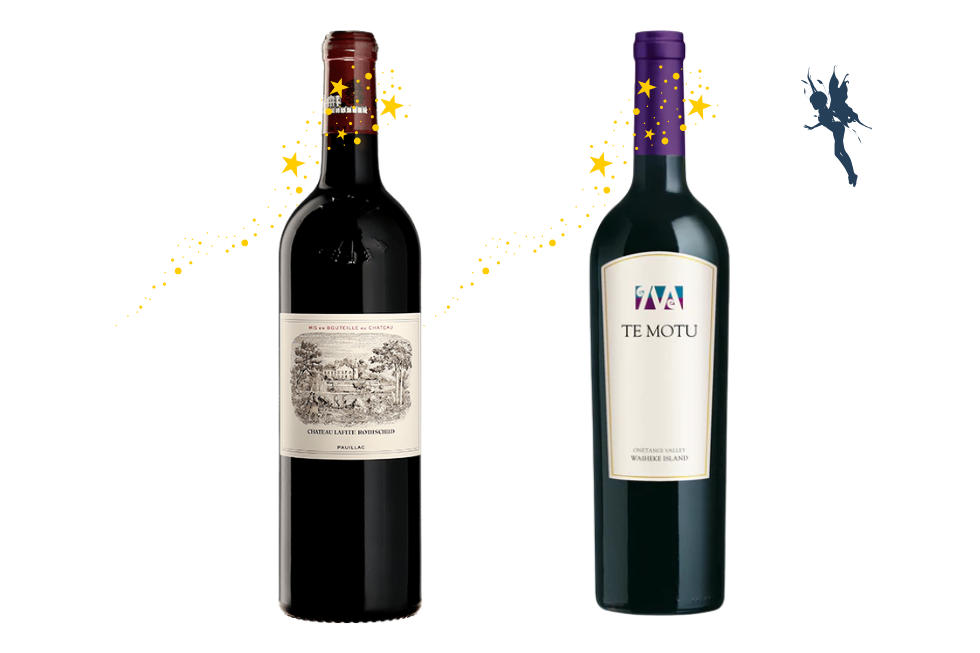
If granted one wish by a wine fairy, Jha’s choice reflects his journey. Once captivated by the legendary 1982 Château Lafite Rothschild, he now dreams of revisiting a wine closer to home: the 1999 Te Motu from Waiheke Island. For him, it embodies the depth, balance, and quiet confidence of New Zealand wine—much like his own evolving story.
From a classroom misstep to international recognition, Ashish Jha’s path is a testament to curiosity, courage, and choosing growth over familiarity. In doing so, he is not only shaping his own career, but also helping redefine how New Zealand wine is seen by the world.