
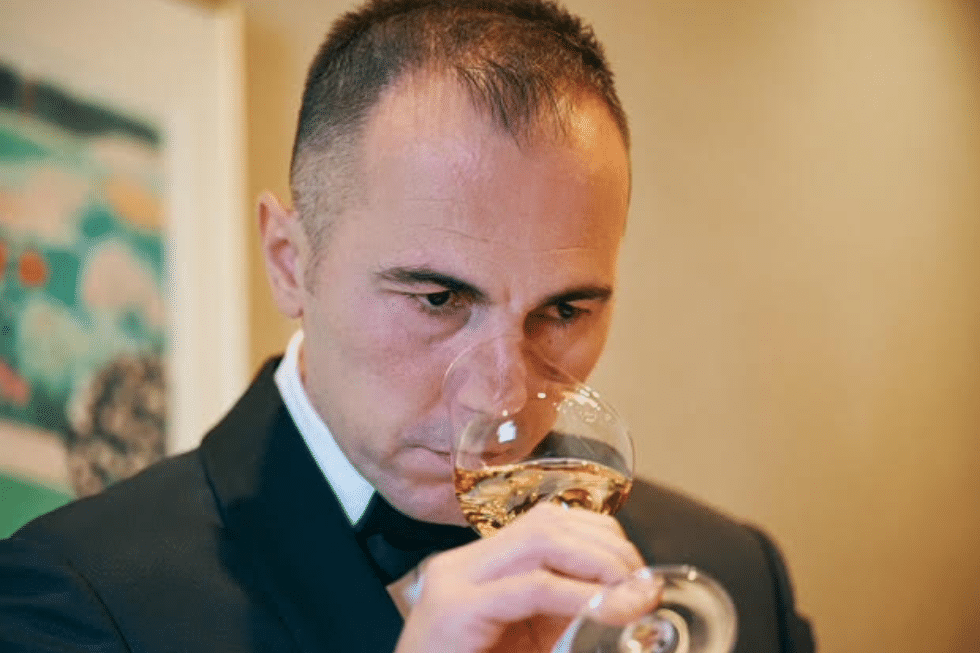
From Pizza Oven to Master Sommelier: Paolo Saccone thinks the most important skill is making people happy. Why Australia’s No.1 sommelier still thinks like a pizza chef.
There is a temptation, when talking to a Master Sommelier, to focus on the title. The exams. The theory. The blind tasting. The elite status that fewer than 300 people worldwide have achieved. But spend time speaking with Paolo Saccone MS, recently named No.1 in Australia’s Top 100 Sommeliers ranking, and a different story emerges. It is a story that starts not in a grand dining room, but in a pizzeria in Milan. And it is a story rooted as much in hospitality as it is in wine. “I never really planned to become a Master Sommelier,” Saccone says.
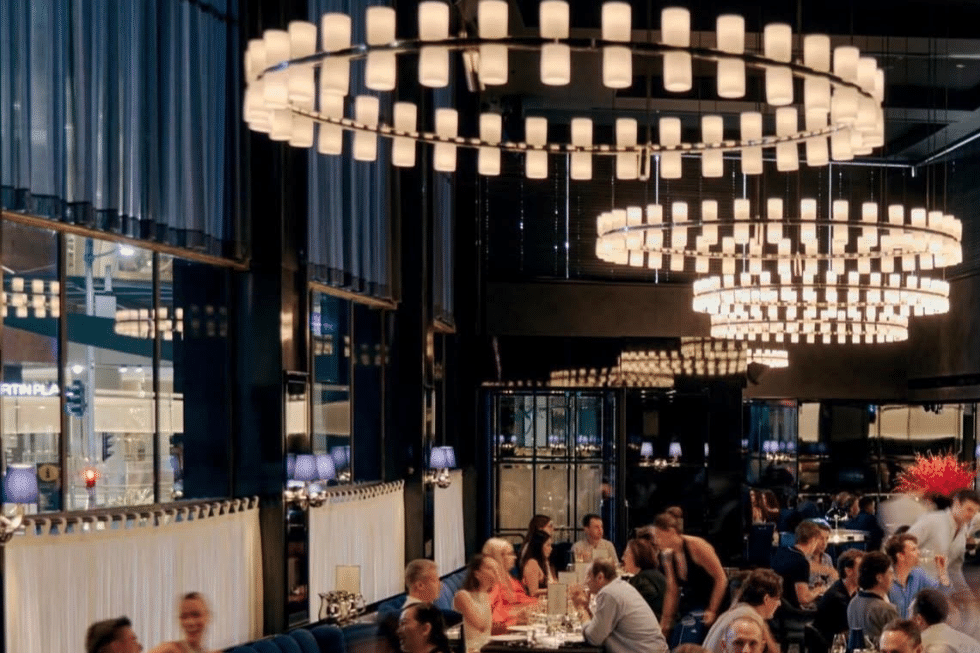
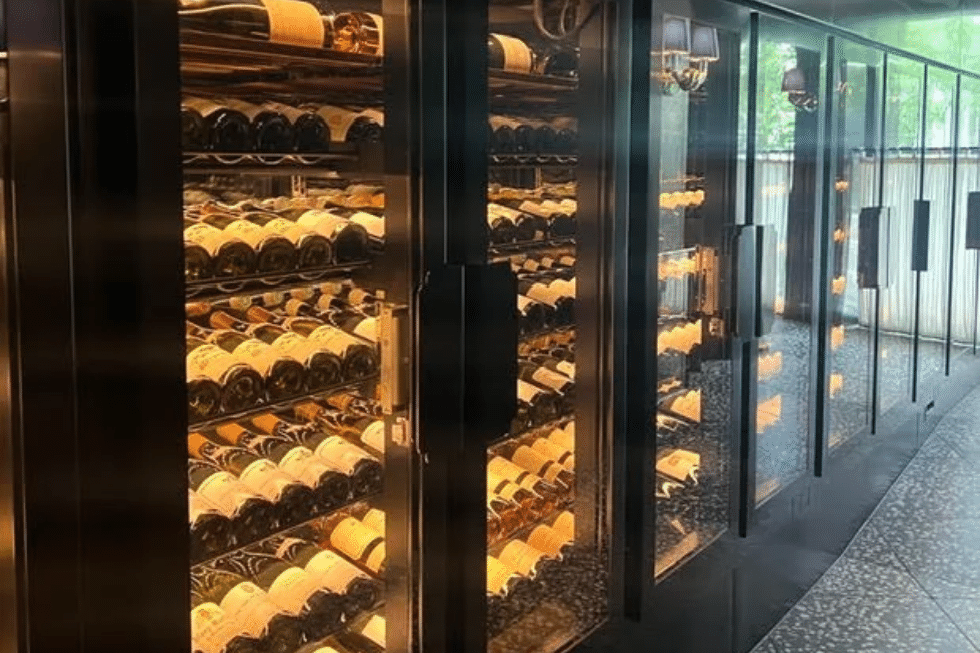
Lucas Restaurants: home to Saccone’s wine cellarGrowing up in Milan, hospitality was woven into everyday life. His parents both worked in professional kitchens and, while studying hospitality, Saccone spent his evenings working as a pizza chef. “They were long days, but I genuinely enjoyed it.” Wine was present too, though not yet as a vocation. His father made wine at home and bottled it himself, with Paolo often helping. “At the time, it was nothing particularly special to me, just something we did together. But looking back, I think that’s where the curiosity first began, without me even realising it.”
Hospitality & wine
The turning point came during his hospitality studies. “I was initially more focused on cooking, but when we started learning about wine, something caught my attention.” What fascinated him was not simply flavour, but context. “I was fascinated by how much there was behind a single glass: the geography, the history, the different grape varieties, and how a wine could tell you so much about where it came from.”
“What I didn’t realise at the time was that working as a pizza chef had already trained my sense of smell.
A teacher quickly noticed his aptitude during tasting exercises. Saccone was instinctively identifying a broad range of aromas. The explanation, it turned out, had less to do with wine and more to do with pizza. “What I didn’t realise at the time was that working as a pizza chef had already trained my sense of smell.” Years spent handling herbs, vegetables, fruits and fresh ingredients had created an olfactory library long before he knew he would need one. “My teacher recognised this and encouraged me to explore wine more seriously. That was a very important moment for me, as it made me realise that something I had learned simply through everyday work in the kitchen could actually become the foundation for my wine journey.”
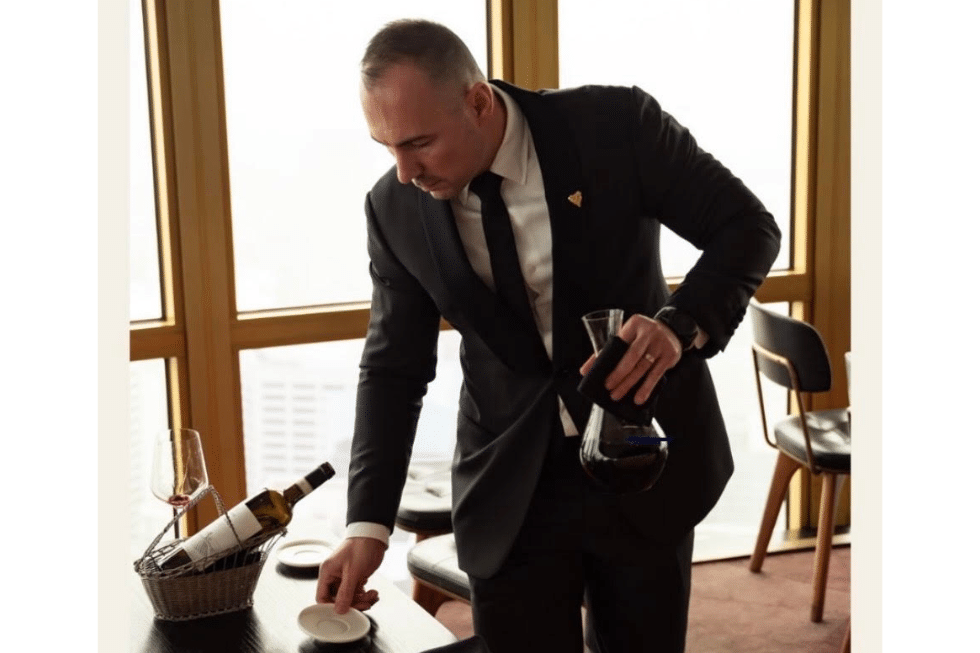
What followed was a familiar phenomenon among wine professionals: the deeper the knowledge became, the further away mastery seemed. “The more I learned, the more I realised how little I knew, and the more I wanted to discover.” It remains a philosophy that underpins his approach today. “Every wine seemed to raise another question, and I found that incredibly exciting.”
A journey measured in curiosity
Saccone’s career would eventually take him through Michelin-starred restaurants in Paris and London. Yet even as his wine credentials grew, he never fully abandoned the kitchen. Seasonal stints as a pizza chef in Corsica and Italy remained part of the journey. “I think those experiences were just as valuable because they kept me connected to food, people and the practical side of hospitality.” Australia was initially intended as a temporary adventure. “More than 15 years later, I’m still here.”
I see it as a snapshot of a journey rather than a final verdict on someone’s ability. Our industry is full of exceptional people, and there are many different ways to be an outstanding sommelier.”
The curiosity that first hooked him remains intact. “Even after all these years and becoming a Master Sommelier, there’s always something new to discover.” For Saccone, wine’s greatest appeal is its refusal to be conquered. “You can study wine for a lifetime and still come across a bottle that surprises you or completely changes your perspective.”
More than a ranking
Being named Australia’s top sommelier might look like a crowning achievement from the outside. Saccone sees it differently. “For me, it is a recognition of the work that happens behind the scenes, often when nobody is watching.” He is keen to emphasise the countless hours that sit behind visible success. “People see the competitions, the qualifications and the final result, but they don’t always see the hours of preparation, the sacrifices or the years spent trying to improve a little every day.”
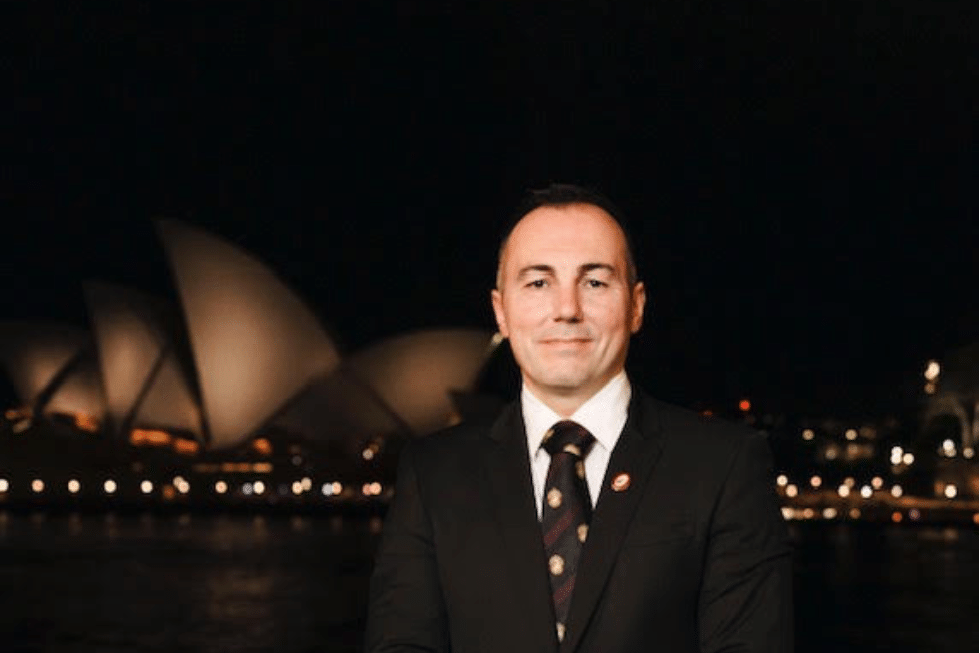
Yet the accolade is not something he views as a finish line. “I see it as a snapshot of a journey rather than a final verdict on someone’s ability.” Humility runs through much of his outlook. Despite reaching the summit of the profession, he remains conscious of the talent surrounding him. “Our industry is full of exceptional people, and there are many different ways to be an outstanding sommelier.” More important than the ranking itself is what follows. “What matters most to me now is what I can do with that recognition.” His focus is increasingly on mentorship, leadership and encouraging future talent. “If my career can demonstrate that there are opportunities beyond what you initially imagine, then the recognition has a value that goes well beyond the ranking itself.”
The modern sommelier
Ask Saccone whether the sommelier’s role has changed over the past decade and his answer is immediate. “I would say the role has expanded more than it has changed.” While technical wine expertise remains fundamental, today’s sommeliers are expected to wear many more hats. “In my current work managing wine and beverage programs across multiple venues, I need to think about everything from the identity of a wine list to recruitment, supplier relationships, stock management, budgets and commercial performance.”
Our value is no longer simply having information that somebody else doesn’t have; it’s knowing how to interpret that information and make it relevant to the person sitting in front of us. You need to know your wine, but you also need to know your audience, support your team and understand the business you’re working in.”
The reality, he says, is that enthusiasm alone is not enough. “A wine program has to be exciting for the guest, but it also needs to work as a business.” One area he believes the profession still underestimates is leadership development. “We invest heavily in technical wine knowledge, which is important, but not every talented sommelier receives the same preparation in leadership, financial management or developing a team.”
The rise of digital information has also transformed the relationship between sommeliers and guests. “Our value is no longer simply having information that somebody else doesn’t have; it’s knowing how to interpret that information and make it relevant to the person sitting in front of us.” His vision of the future is clear. “You need to know your wine, but you also need to know your audience, support your team and understand the business you’re working in.”
Why competitions still matter
For all his success in competition, Saccone is careful not to overstate their significance. “I have to admit, no matter how much you prepare, it’s always a little nerve-racking.” What they provide, he says, is a testing ground. “You’re suddenly outside your comfort zone, faced with situations you might never have experienced before.” More importantly, they reveal weaknesses. “I’ve always seen them as a personal challenge, an opportunity to push myself, discover my weaknesses and understand where I can improve.”
Yet he is equally adamant that medals and rankings do not necessarily define excellence. “Being successful in a competition doesn’t automatically make someone a great sommelier in a restaurant.” Some of the finest sommeliers he has encountered have never stepped onto a competition stage. “They have that natural ability to make people feel comfortable, to understand a guest without needing too many words and to create memorable experiences.”
A guest doesn’t really look at how many qualifications you have or how well you’ve performed in a competition. They simply want to feel welcome, enjoy themselves and perhaps discover something special along the way.
Ultimately, hospitality still trumps everything else. “A guest doesn’t really look at how many qualifications you have or how well you’ve performed in a competition.” What they want is far simpler. “They simply want to feel welcome, enjoy themselves and perhaps discover something special along the way.”
The lesson for the next generation
Saccone’s advice to aspiring Master Sommeliers reflects his own unconventional journey. “My advice would be to do what you love, show the passion, not just prepare for an examination. It’s all about the journey.” He credits mentors, including Giuseppe Vaccarini and Yves Desmarais MS, with helping him recognise potential he did not yet see in himself. “That experience taught me the value of finding the right mentors.” His recommendation is simple: get out from behind the books. “Spend time in restaurants, visit vineyards, meet producers and experience different cultures and simply fall in love with wine.” Because, after everything he has achieved, Saccone believes success in wine is measured by something far more human than qualifications.
“Never forget that the purpose of all this knowledge is to make the experience of wine more meaningful for somebody else.” It is perhaps the perfect sentiment from a man who started his career making pizzas in Milan and ended up becoming one of the most respected sommeliers in the world.
For Paolo Saccone, wine has never really been about collecting titles. It has been about curiosity, connection and making people happy. And, in the end, that may be the most valuable lesson of all.