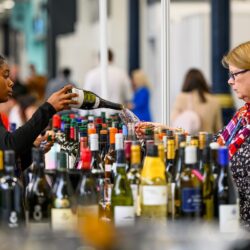
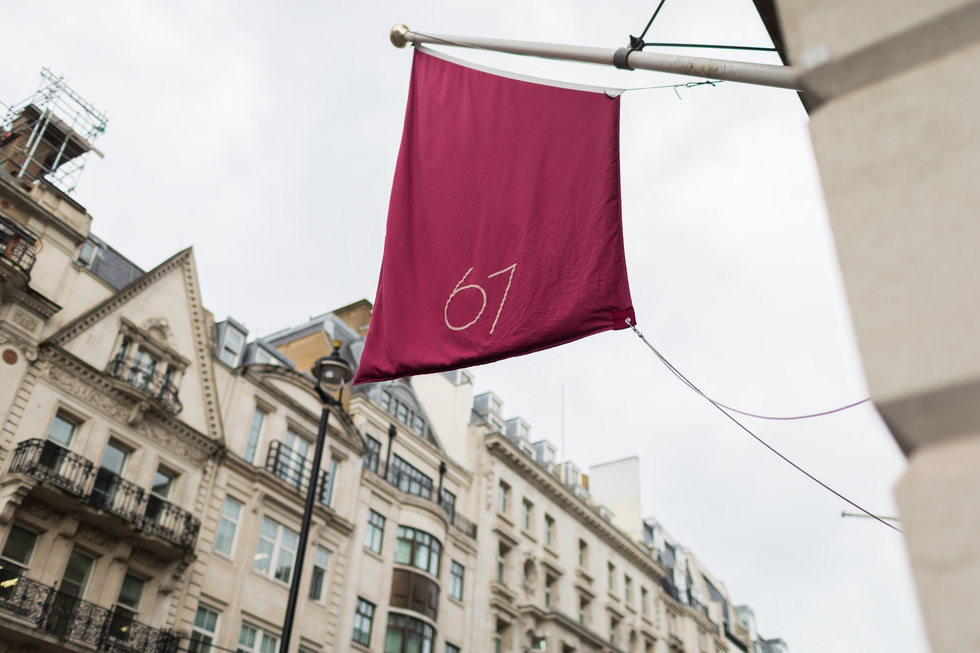
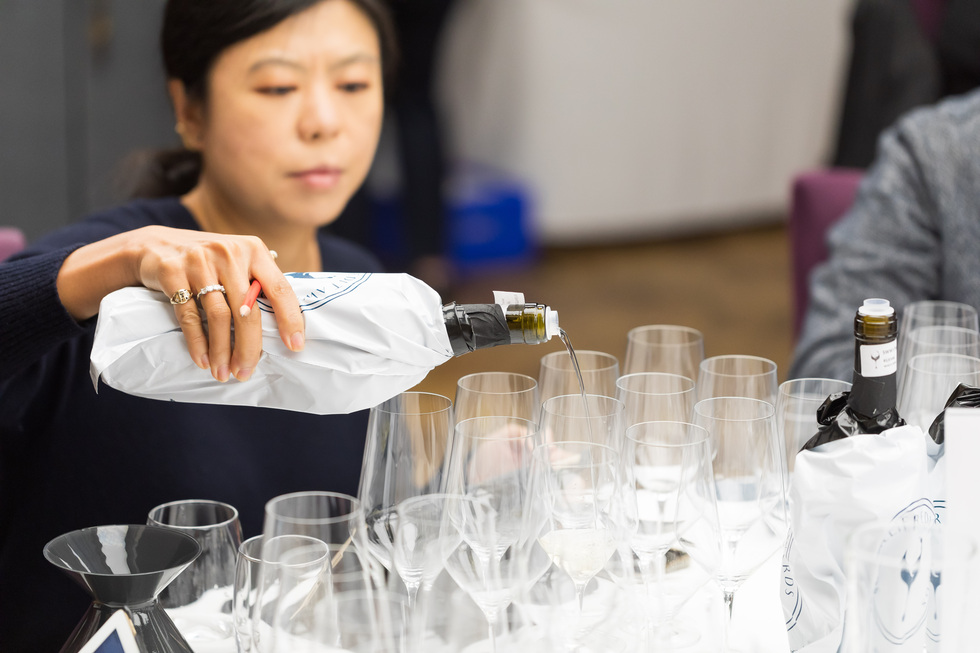
At the prestigious 67 Pall Mall, a razor-sharp panel of Sommelier Edit Top 100 winners gathered to assess wines and wine alternatives across a broad sweep of categories, seeking those which genuinely deliver for the trade.
Charlotte Hey and Douglas Blyde served as chair judges, leading a distinguished lineup: Romain Barina (Holborn Dining Room), Luca Bocca (The Lecture Room & Library at Sketch), Maria Cintoli (Evelyn’s Table), Kárpátfalvi Bence (Moor Hall), Jiachen Lu (CORD by Le Cordon Bleu), Fábio Monteiro (Restaurant Gordon Ramsay), Veronica Monti (Jean-Georges at The Connaught), and Marius Plesa (The Waterside Inn).
The results tell a compelling story of what’s exciting the sommelier community right now – from the renaissance of Spanish sparkling to the unexpected finesse of alcohol-free alternatives.
Spain’s Sparkling Moment
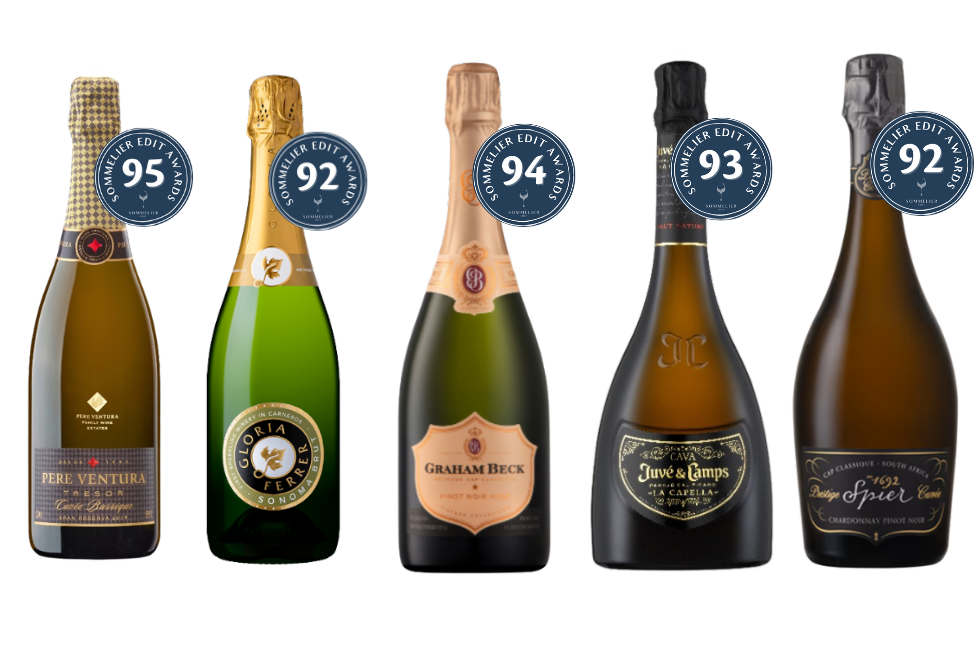 Juvé & Camps stood out in the Champagne Alternatives category, taking multiple awards including two Preservation System accolades. The Gran Juvé 2018 (93 points) impressed with its notes of roasted nuts, burnt caramel, sweet spice and brioche – a wine layered and expressive enough for premium by-the-glass pours. La Capella 2011, from a single-vineyard Xarel·lo, was even more arresting: 150 months on lees yielded baked apple, coconut, and toasted nut notes, with judges praising its ‘elegant, mouth-filling’ presence.
Pere Ventura’s Tresor Cuvée Barrique (95 points) took Best Value despite its upscale profile, described as having a ‘developed nose, savoury, briny length, and smoky, mushroomy depth’. In a trade often locked into Champagne habit, these Spanish sparklers proved that ambition and complexity needn’t come with a French accent.
The Godello Revolution
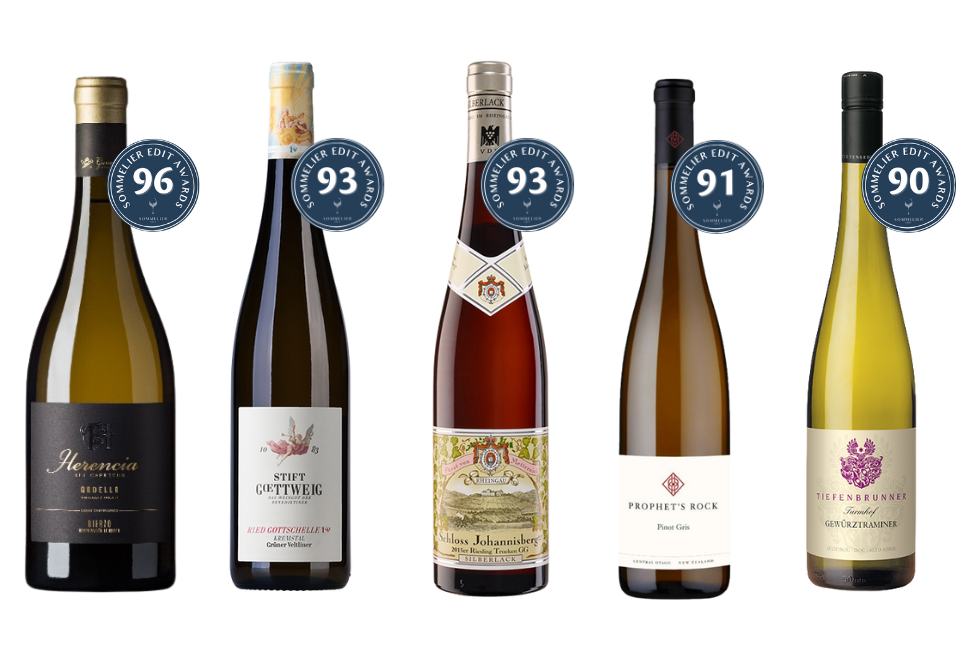 In Aromatic Whites, Galician Godello proved its shape-shifting ability. Capricho Val de Paxariñas 2024 (93 points, Best By The Glass) offered a floral nose, bright acidity, and food-friendly weight – the very definition of a sommelier’s secret weapon.
Its older sibling, Herencia del Capricho 2021 (96 points), was another story altogether. With only 3,000 bottles produced, this lees-aged wine delivered dried mango, apricot and marmalade aromas with vanilla spice complexity. The pairing of these two wines demonstrated how a single grape can stretch from accessible luxury to premium indulgence.
Rhône-Style Surprises
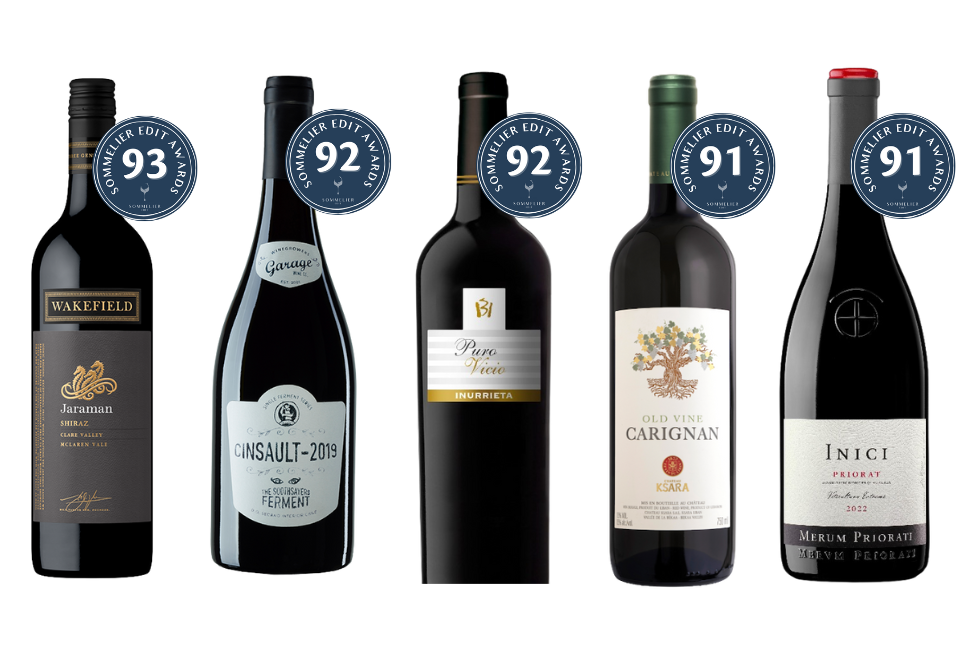 The Rhône Classics category yielded geographical curveballs. Merum Priorati’s Inici 2022 (91 points) from Spain brought soft plum, dark fruit and warming spice. Yet it was Australia’s Jaraman Shiraz 2021 (93 points) which claimed Best By The Glass, admired for its varietal clarity, fine spice and length. Judges called it ‘best red tasted today’ – proof that Rhône style now belongs to the world.
The No/Low Evolution
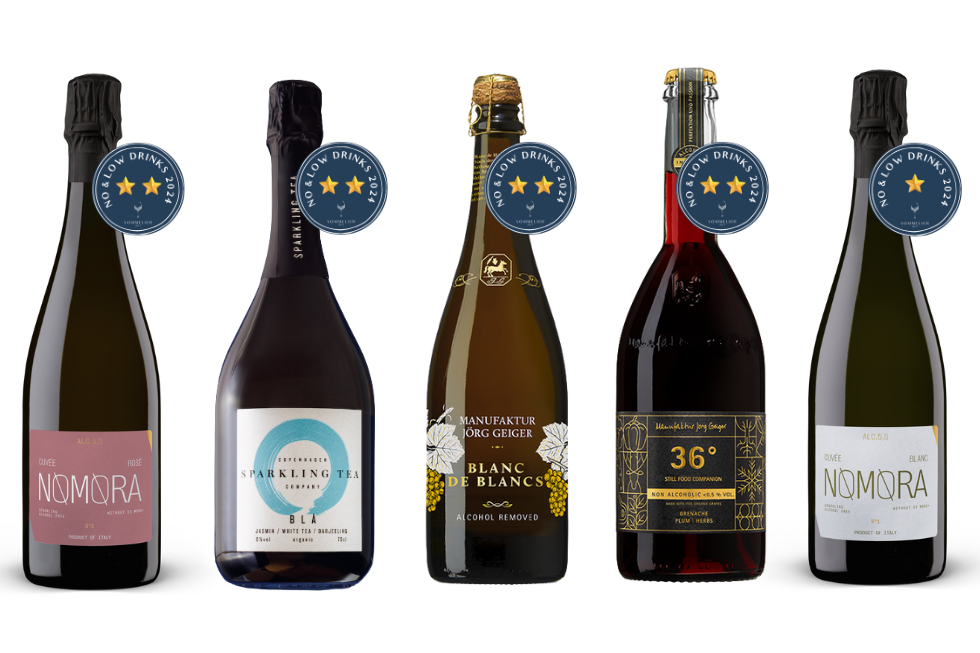 Perhaps the biggest surprise came from the No and Low Alcohol category. Jörg Geiger’s Blanc de Blanc with Chardonnay (94 points, Best Overall) impressed with sweet aromatics of baked pear and stewed apple, lively bubbles and a golden hue. Judges likened it to ‘liquid strudel’.
This category was packed with innovation: Jacob Kocemba’s BLÅ, made with 13 organic teas; BOLLE’s grape-led blends; and Nomora’s Cuvée Rosé with its extraordinary notes of smoked game and fresh cranberry. The complexity was undeniable. The shift in sommelier attitudes, equally so.
Value vs. Prestige
The delicate balance between price and performance came into sharp focus. Inurrieta Orchidea Sauvignon Blanc 2024 (90 points, Best Value) was dubbed ‘amazing by the glass’ and ‘overdelivering’. At the other end, Schloss Johannisberg’s Silberlack Riesling Grosses Gewächs 2021 (93 points) shone for its precision, purity and pedigree.
This duality – wines which work commercially versus those which lift a list’s stature – reflects the daily tightrope walk of the modern sommelier.
Preservation System Winners
Juvé & Camps also secured both Preservation System awards. The Gran Juvé 2018 and La Capella 2011 showed that extended lees ageing delivers not just flavour and finesse, but a structure robust enough to thrive under Coravin-style service. These are destination wines by the glass.
Global Reach, Regional Voice
Spain led in sparkling, but this wasn’t a monocultural podium. South Africa’s Graham Beck impressed with a Pinot Meunier 2022 full of herbal umami and balance, and an Ultra Brut 2018 with buttered brioche and citrus zip – one judge gave it 100 points.
Elsewhere, Prophet’s Rock Pinot Gris from New Zealand brought oily texture and nutty nuance; a Grüner Veltliner from Austria’s old vines offered classic white pepper and blossom tones. Even as winemaking globalises, terroir still speaks.
Group Dining Winners
Two wines stood out for their adaptability. Spier Cap Classique 2021 showed savoury complexity and fine mousse, while Bolney Wine Estate’s Classic Cuvée won favour for its balanced acidity and food pairing potential – especially with seasonal vegetables.
Our Verdict
These awards reflect a trade in motion: adventurous, pragmatic, and open-minded. The wines which rose to the top weren’t always the most obvious, but they had something to say – a sense of place, a point of view, and a reason to be poured.
In the autumn, we introduce a new category: ‘Cellar Secret’ – wines and non-alcoholic alternatives with modest pricing but standout character. These are the quiet stars of a wine list: accessible to buy, persuasive to sell at a deserving price, and easy to love. The kind of bottle a sommelier can back with pride while bolstering their margins.
 Enter Now: Cellar Secrets
The stars in need of a spotlight.
We are calling for the bottles which sommeliers can back without hesitation: modest in cost (£8-£30 ex-VAT) yet rich in character, the wines which can be priced closer to their true value and poured with confidence by the bottle or the glass.
Think:
- Mineral-rich whites – boutique Bacchus, long-lived Lugana, handmade Verdicchio, precise ringers for Assyrtiko beyond Santorini.
- Supple reds with verve – coastal Garnacha, Mencía, Bordeaux satellites, Washington State newcomers, even Wales when it is done well.
- Sure-footed sparkling from unexpected places – Crémant from Bordeaux, Luxembourg or Savoie, right through to fizz from the Czech Republic.
- Textural whites with lift – posh Picpoul, artisan Aligoté, pouting Portuguese, serious South African Palomino, and terrific Torrontés.
Send us the bottles you know can form the backbone of a great list. Let the bottles for those in the know become better known. Entry deadline: Friday 31 October, 2025.