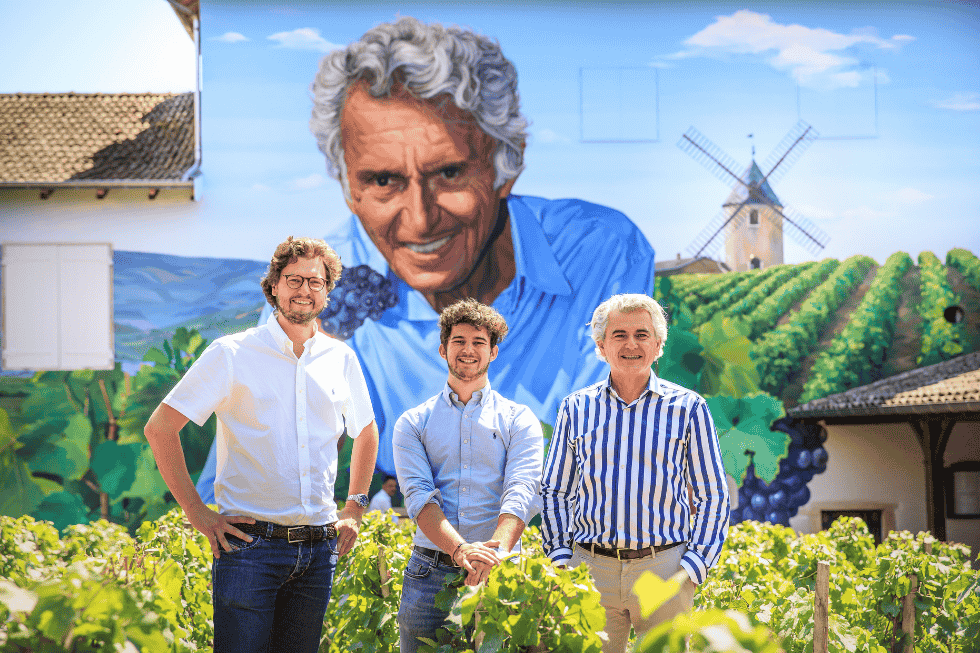
The phrase that inspired Georges Duboeuf to launch the legendary annual campaign became a call to action in the lull before Christmas. Adrien Dubouef-Lacome, his grandson, carries on the tradition.
I remember Beaujolais Nouveau Day vividly—the excitement, the sense of celebration that returned each November. In the 1980s and 90s, my parents’ restaurants in Yorkshire went through pallet loads of the stuff. Customers piled in to laugh, eat well, and drink the new wine, brightening dark November days with a splash of Gamay.
I also recall the thrill of early mornings: loading cases straight from massive French lorries into Transit vans at 5am on a freezing trading estate in Wetherby. Then rushing up the A19 and down the A1 to deliver the freshly bottled vintage to restaurants, where eager customers awaited Beaujolais Nouveau breakfasts and lunches.
Was it genius? Marketing? A sales ruse? Yes—perhaps all of the above. But above all, it was fun. As Georges Duboeuf’s grandson, Adrien Duboeuf-Lacombe, says: “Beaujolais Nouveau is all about the gathering.”
The Race Begins
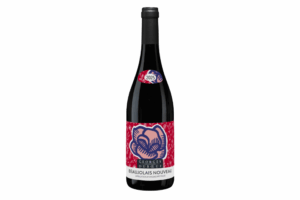
The tradition of releasing the latest Beaujolais vintage as nouveau—literally “new”—wine on the third Thursday of November began in France, just weeks after harvest. In the UK, the race to deliver the first bottles to London started in 1970, sparked by a friendly challenge between Joseph Berkmann (Duboeuf’s British importer) and Clement Freud, chef and TV personality.
Soon, the race became a media spectacle. Celebrities joined in, Sir Stirling Moss among them, and even the RAF carried bottles in a Harrier jump jet. Other producers joined the frenzy, but it was Duboeuf who captured the spotlight, waving off trucks from his cellars in Romanèche-Thorins at midnight each year.
Carrying the Torch
Today, Adrien Duboeuf-Lacombe continues the tradition at the head of the company. For him, Beaujolais Nouveau is about more than wine—it’s about connection:
“This event gives people a reason to meet up with colleagues, friends, and family to share a moment. Restaurants, bars, clubs are perfect for just that. Like football, you have a better experience when watching a match at the pub—the feeling of communion is stronger.”
He pays tribute to the pioneers of the Beaujolais race: “Both men enjoyed bringing people together and celebrating life and nature. It’s not easy to follow in their footsteps, but I strive to continue exporting this unique wine and the spirit that goes with it.”
 The Role of Sommeliers
Restaurants have always been the driving force behind Beaujolais Nouveau. Sommeliers and wine professionals remain key to its success. Adrien explains:
“We have high respect for sommeliers who work every day for the wine world. Duboeuf’s ‘Lieux-Dits’ range of Crus Beaujolais expresses the finest terroirs, and sommeliers are essential in explaining these wines in a restaurant setting.”
He also believes Beaujolais Nouveau plays a special role in wine education:
“This celebration is a great way to introduce a new audience to wine with something easy to drink and understand. At the same time, wine aficionados can enjoy a great Gamay without intellectualising it too much—simply enjoying the fruit of the new harvest.”
A Tradition That Endures
Though Beaujolais Nouveau Day may not command the same frenzy it once did, the tradition still carries momentum. And today, I’ll be opening a bottle myself—raising a glass to Joseph Berkmann, Georges Duboeuf, George Pagendam (who gave me my first job and sold plenty of Duboeuf’s wine), and of course, to my mum and dad.
Salut! Vive le Beaujolais Nouveau!