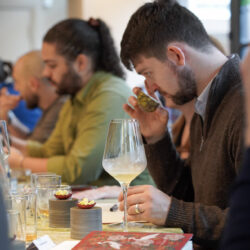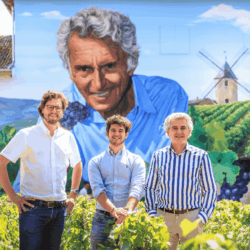
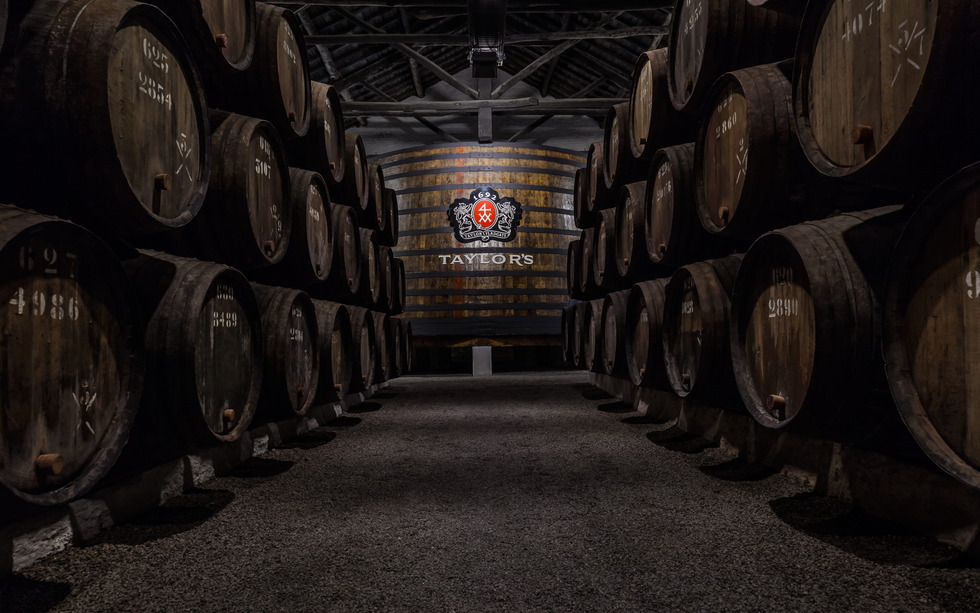
In the historic wine cellars of St James’ in London, a room full of sommeliers listened as David Guimaraens, Chief Winemaker at The Fladgate Partnership spoke not just of wine, but of lineage. For over two centuries, the Taylor’s name has rung through the terraces of the Douro Valley—a region where every vine clings to stone, and every harvest tells a story.
“I remember driving up to the Douro with my father,” he recalled. “It wasn’t just a landscape—it was a way of life.”
Before taking the helm at Taylor’s, Guimaraens tells how in 1985, he was sent to Australia to study winemaking, an experience that opened his eyes to a new world of innovation. “The Australians taught us to question everything,” he said. “Their precision and pragmatism changed the way Europe thought about wine.”
“Every bottle of Vintage Port is a dialogue between generations—it’s history you can pour.” David Guimaraens Chief Winemaker at The Fladgate Partnership
The Four Pillars of Port
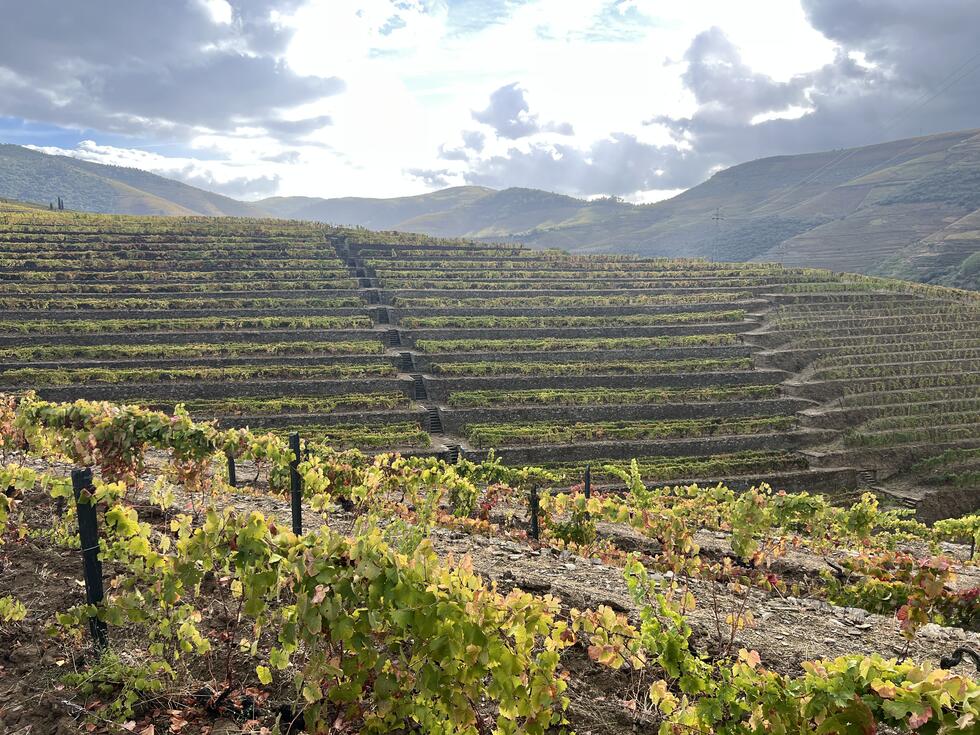
Following his return to Porto Guimaraens truly understood Port as an orchestra of four crafts—viticulture, vinification, distillation, and blending. Each, he says, requires mastery; together they define the spirit of the Douro. Viticulture in terraced, mountainous vineyards, often over 300 years old, demand manual labour and deep understanding of microclimate and altitude. Vinification in the winery where grapes are crushed—traditionally by foot—to extract colour and tannin in granite lagars. Distillation using neutral grape spirit (20% of the final blend) is added to arrest fermentation, preserving the wine’s natural sweetness. And blending, the art of balance—marrying fruit, structure, and time to express both house style and terroir.
The Challenge and Beauty of the Douro
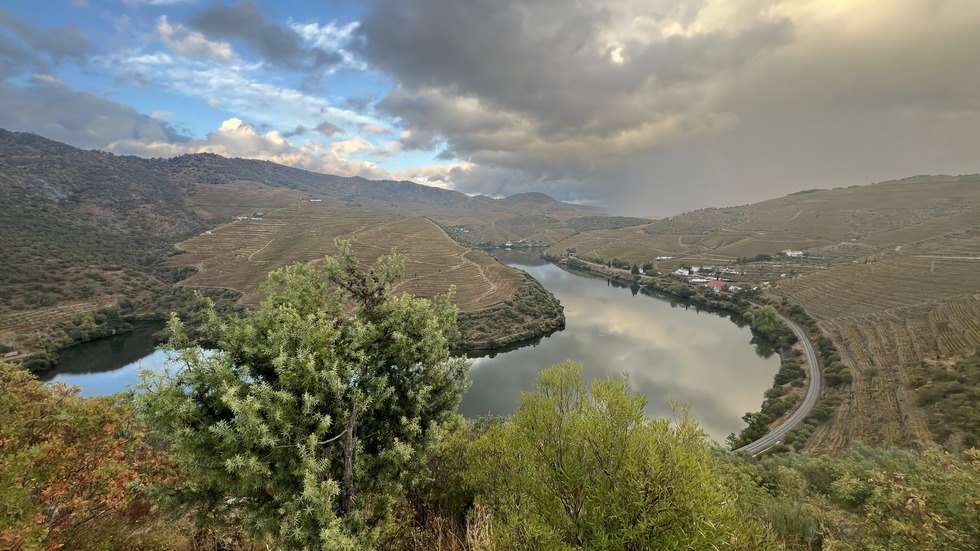
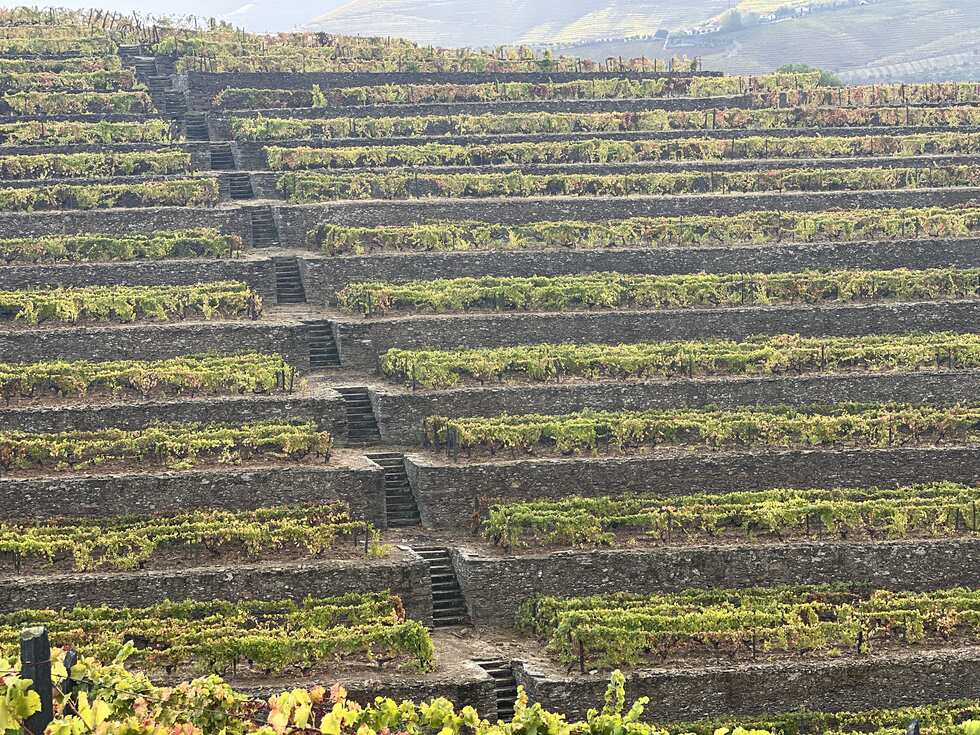
The Douro Valley is among the world’s most extreme viticultural landscapes. Vineyards rise from 100 to 600 meters, each terrace exposing the vines to unique combinations of heat, rainfall, and schist soil. The result is a mosaic of microclimates, each contributing nuance to the final blend.
Producers evaluate vineyard potential using the aridity index, gauging how altitude and dryness affect ripeness and balance. The region’s best sites yield small, concentrated berries from Touriga Nacional, Touriga Franca, and Tinta Roriz—varieties that define the muscular elegance of vintage port.
Tradition Meets Innovation
While modernisation has touched every corner of the wine world, the Douro remains a bastion of heritage. Foot treading endures, though many houses now employ mechanical plungers designed to mimic the rhythmic pressure of human treaders.
“The granite lagar is more than just a vat,” the producer explained. “It breathes. It regulates temperature naturally and extracts flavour in a way no machine ever fully can.”
Still, innovation has its place. The Douro now distills much of its own spirit, leading to cleaner, more elegant fortification. The result: ports that feel both classic and contemporary—rich yet refined.
Declaring a Vintage
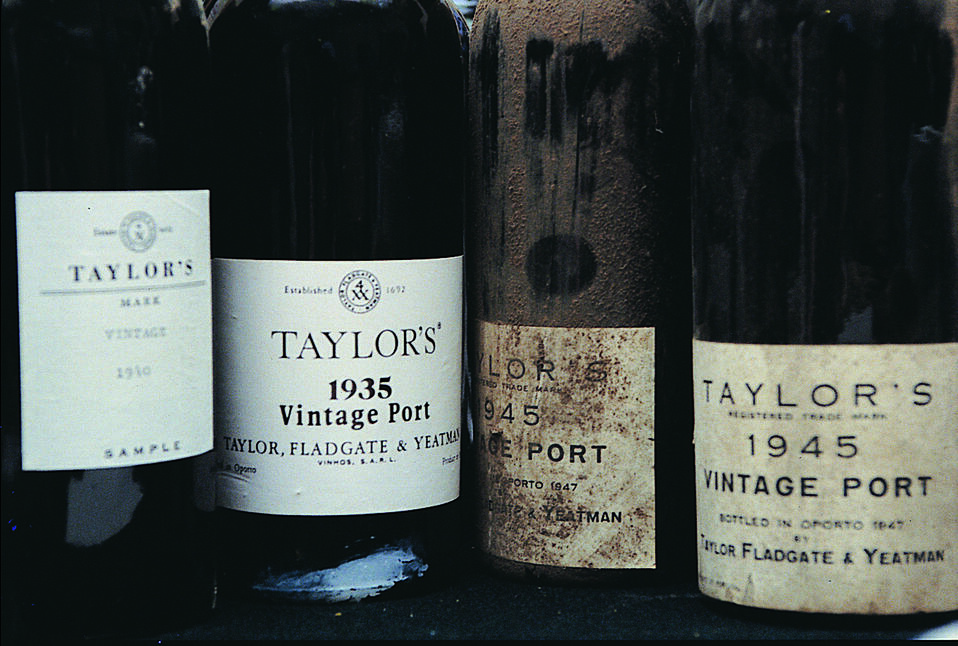
Declaring a vintage remains one of the most solemn acts in the port world. After two years of Vat ageing, the producer tastes the best lots and decides whether the harvest merits the house’s “classic” declaration. Guimaraens explains: “Vintage port represents only 2% of total production—it’s the winemaker’s most honest conversation with a single year.” Taylor’s has made St George’s Day, 23 April, the day of the year they will announce if a vintage is to be declared.
-
Classic Vintage Port – Made only in exceptional years, blending fruit from multiple estates. Long-lived, structured, and profound.
-
Single Quinta Vintage Port – From one estate, showing transparency and terroir expression. Often ready earlier.
-
Non-Classic Vintage Port – Expressive and aromatic, ideal for earlier drinking.
“A declaration is a statement of faith in the Douro. You’re not just bottling wine—you’re bottling a year’s story.”
Tasting Analysis: The Evolution of Vintage Port
| Stage | Profile | Sommelier Notes |
|---|---|---|
| Young (0–10 years) | Intense black fruit, violet, and spice; firm tannins, sweet grip. | Serve slightly chilled (16°C). Decant for at least 4 hours. Ideal with blue cheese or dark chocolate. |
| Mid-Mature (10–25 years) | Plummy fruit, cocoa, leather, dried fig; integrated spirit. | Gentle decanting; pour into a broad glass to release aromatics. Excellent with aged cheddar or roasted nuts. |
| Fully Mature (25+ years) | Tobacco, walnut, truffle, and balsamic notes; ethereal texture. | Use heated tongs to remove cork. Serve slightly cooler (15°C). A contemplative pour for the end of service. |
A Living Heritage
Despite global declines in fortified wine consumption, the Douro is experiencing a quiet renaissance. Lower yields, higher quality, and renewed focus on terroir are redefining what port can be.
As David Guimaraen looks ahead, the goal remains constant: preserve authenticity while inviting new drinkers to discover port’s timeless grace. “The Douro isn’t about nostalgia,” Guimaraens reflected. “It’s about endurance—about carrying something beautiful forward.”
For sommeliers, Vintage Port represents more than an after-dinner pour. It’s a lens through which to glimpse centuries of craftsmanship, patience, and place. Each bottle opened—whether by corkscrew or tongs—is a bridge between the past and present, offering a taste of history in every glass.
Sommelier Essentials: Service Tips for Vintage Port
|
Decanting |
Always decant vintage port to remove sediment and open aromatics. Use a fine mesh or coffee filter for older bottles. |
|
Opening with Tongs |
Heat the tongs to red-hot, apply to the bottle neck for 30 seconds, then cool with a damp cloth—the glass will snap cleanly, preserving fragile corks. |
|
Serving by the Glass |
Offering vintage port by the glass is an elegant way to introduce guests to its magic. Use Coravin for younger bottles; decant older vintages and serve within 24 hours. |
|
Pairing Ideas |
Stilton or Roquefort |
|
Chocolate ganache or espresso desserts |
|
|
Toasted nuts and cigars (post-dinner) |
|
|
Storage |
Keep opened vintage port upright and cool. Consume within 1–3 days for optimal aromatics. |