Founded in 1947 by seven growers on the Montagne de Reims, Champagne Palmer & Co has built its reputation on patience, precision and responsibility. Sommelier Edit asks, managing director, Rémi Vervier, why long lees ageing and sustainability set Palmer apart.
Over 80 years ago, a group of friends came together to found a different kind of venture in Champagne. From the beginning, the house has been defined by collaboration, terroir, and a quiet pursuit of excellence. Today, under the guidance of managing director and winemaker Rémi Vervier, Champagne Palmer continues to embody those founding values while embracing a modern philosophy of sustainability and responsibility.
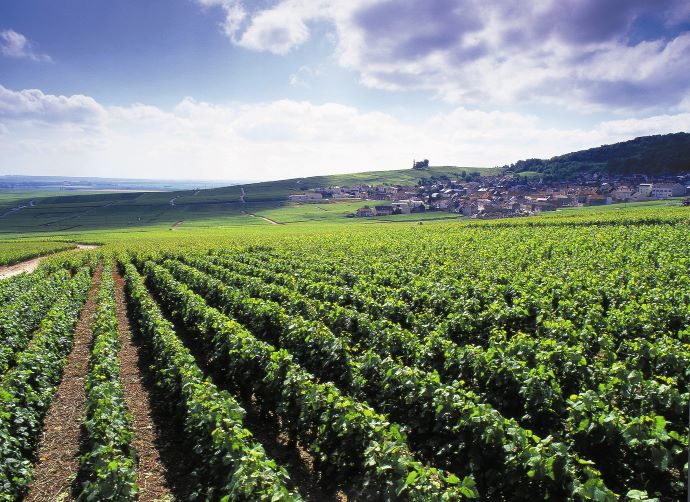
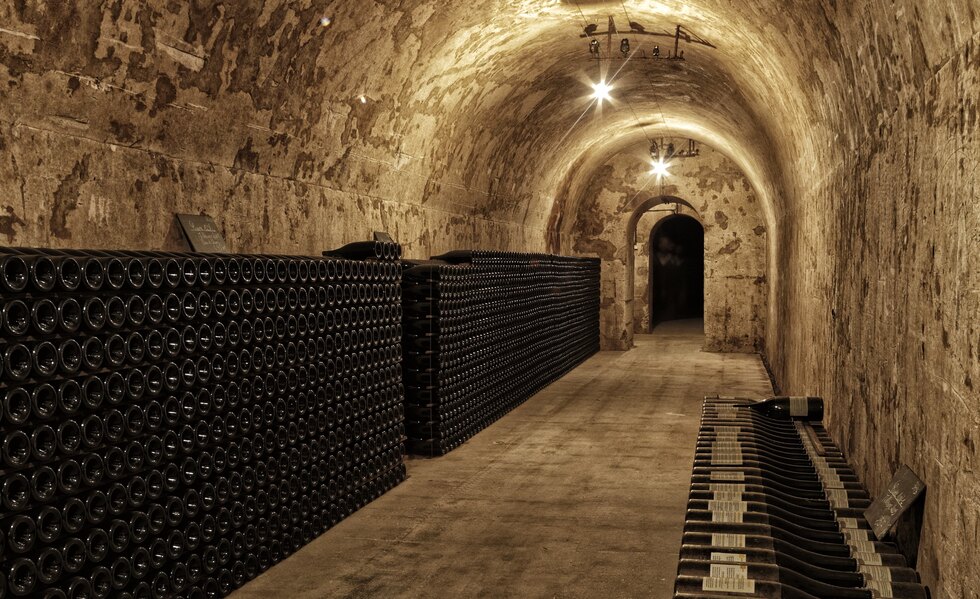
Vervier points to the unique geography of the estate as central to the identity of its wines. He explains, “The situation of the majority of our vineyards, on the northeastern slopes of the Montagne de Reims and the vineyard exposure dictates one important aspect of the DNA of these wines. The long lees ageing which is characteristic of Palmer’s champagne is the other.” For Vervier, lees aging is not simply a stylistic flourish but a necessity. “Non-vintage wines rest on lees for three to four years, while prestige cuvées may age for up to a decade. This patience yields champagnes of remarkable depth and texture,” he says.
Time is essential for us – we are not in a rush. The long lees ageing which is characteristic of Palmer’s champagne is the other.
Time is the essence
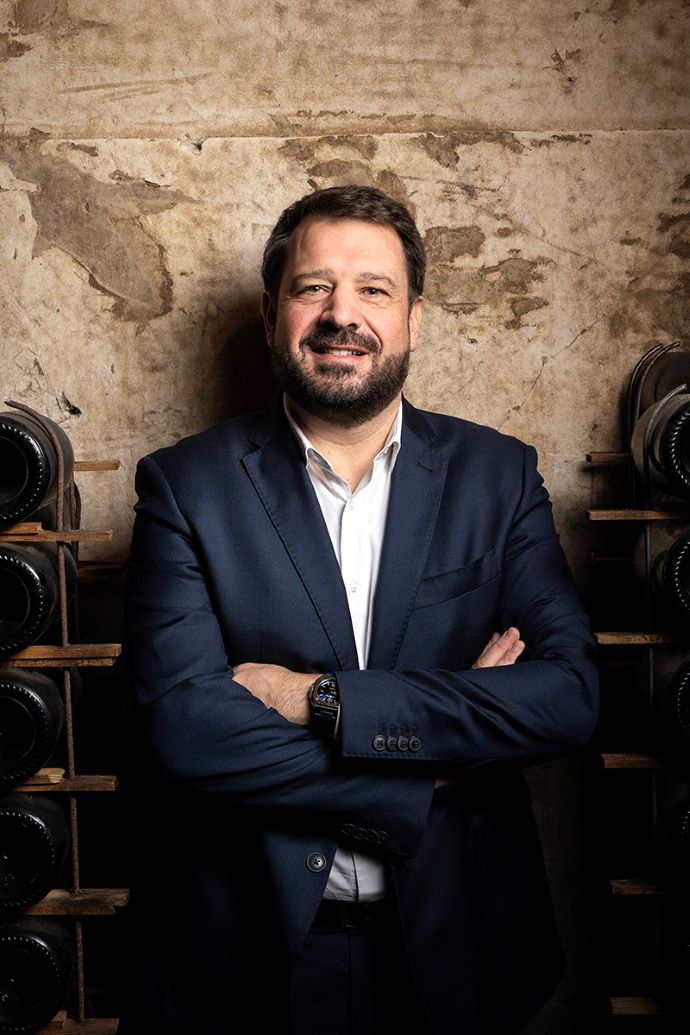
Vervier himself brings a Burgundian sensibility to Champagne. Raised in a winemaking family in Pouilly-Fuissé, he studied agronomy and oenology before serving as Technical Director at Maison Louis Latour in Burgundy for more than a decade. Since joining Palmer in 2010, he has guided the house with a holistic philosophy that blends tradition with innovation, ensuring that Palmer’s champagnes remain elegant, balanced, and terroir-driven.
“Time is essential for us – we are not in a rush,” Vervier explains. “That is how we work with our champagnes.” He acknowledges that the practice serves both artistry and pragmatism. “As a winemaker I am looking for balance in the wine and we need the time on lees because of the provenance of the grapes from cooler, north-facing slopes. With my business head on, from the accountant’s point of view, it’s not ideal.” But as managing director, he’s the one who gets to make the choice – finesse over finances, perhaps.
Made on the montagne
Palmer cultivates between 390 and 415 hectares across 40 crus, with nearly half classified as Grand and Premier Cru. The vineyards stretch across the Montagne de Reims, Côte de Sézanne, Côte des Bar, and Vallée de la Marne. Sustainability is a cornerstone of the house’s philosophy, with vineyards managed under the French “Engagés par Nature” certification. “It is not just compliance, but a philosophy of excellence and responsibility,” Vervier insists. The estate prioritizes environmentally respectful viticulture, preserving soil health, reducing chemical inputs, and encouraging biodiversity. Palmer’s approach aligns with the broader Champagne region’s goal of cutting carbon emissions by 75 percent by 2050.
Yet Vervier is realistic about the challenges facing Champagne in today’s market. “The wine world is challenged at the moment. People are less expansive, which can be problematic for Champagne. Champagne is made to be shared – for celebrations, commiserations – but when the mood is mutes, as now, Champagne is always affected.” He admits, “We all know that Champagne is an economic barometer.”
Despite these headwinds, the team at Palmer look to hospitality for consistency. “Sommeliers and fine dining as an essential part of our business,” reveals Vervier,” which is why we invest in ageing our champagnes. The price obviously influences but we see that the richeness and balance in our wines is appreciated by sommeliers.”
Blending and elegance
Champagne Palmer prides itself on the high proportion of reserve wines (25–35%) it uses to ensure consistency and maturity across vintages. Key cuvées include:
- Brut Réserve – 55% Chardonnay, 35% Pinot Noir, 10% Pinot Meunier; citrus, orchard fruit, and toasted pastry.
- Vintage Collection – produced only in exceptional years, with long aging potential.
- Amazone de Palmer – a rare prestige cuvée showcasing the house’s artistry.
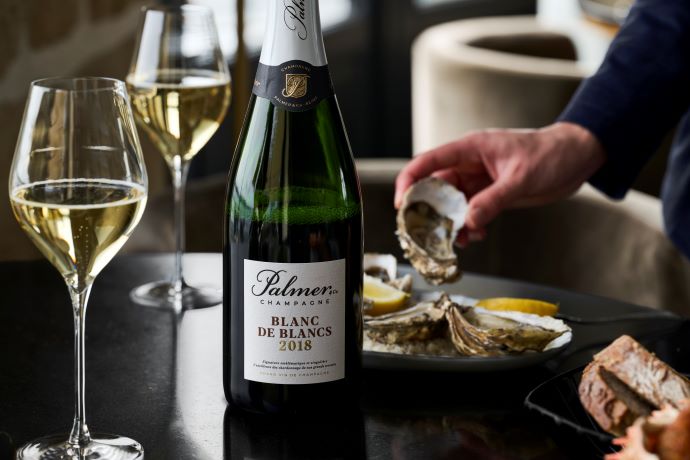
- Speciality Collection – rosé and blanc de blancs expressions highlighting terroir.
Sommelier Edit’s tasting team likes the integration of fruit, acidity, and autolytic notes on the wines. Approachable young, they also develop honeyed, nutty complexity with age.