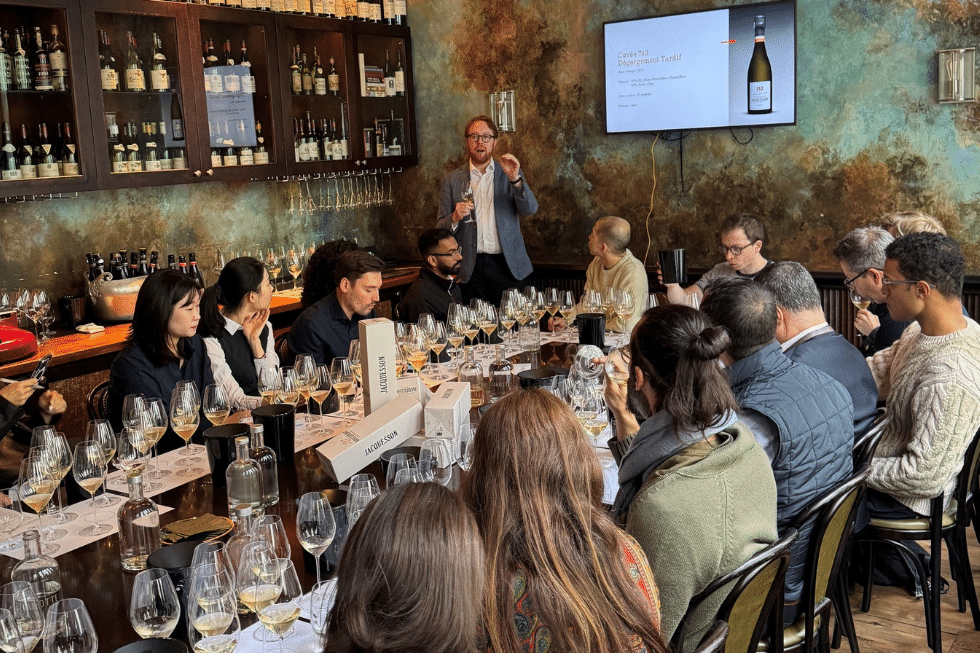
Jacquesson: history, innovation and the reinvention of non-vintage champagne – a tutored tasting with Alex Hunt MW.
“Champagne should be thought of not as a sparkling product that happens to be wine, but as a wine that happens to be sparkling.” That statement from Alex Hunt MW neatly captured the philosophy underpinning Jacquesson, one of Champagne’s most influential and quietly revolutionary houses. During a Discover Series tasting hosted by Sommelier Edit and Berkmann Wine Cellars, Hunt guided attendees through the history of the house, its groundbreaking innovations and a line-up of wines that demonstrated why Jacquesson has become a benchmark for terroir-driven Champagne.
A house built on innovation
Founded in 1798, Jacquesson quickly established itself as one of Champagne’s leading producers. Its reputation was secured early when, in 1810, Napoleon awarded the house a gold medal and requested its wines for his second wedding.
As Hunt observed, “As celebrity endorsements go, Napoleon is pretty high up the rankings.” The house also played an important role in Champagne history as the training ground for Joseph Krug, who arrived as an accountant before becoming fascinated by winemaking.
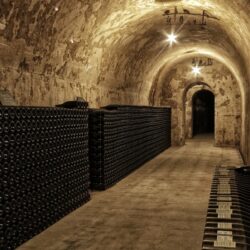
Perhaps even more significant was the house’s invention of the muselet, the wire cage that secures a Champagne cork. Describing conditions in nineteenth-century Champagne cellars, Hunt explained, “The string would rot and, if it hadn’t rotted already, rats and mice would nibble at it until the cork shot out of the bottle.” Jacquesson’s solution was ingenious. Corroded metal reflector plates that had once directed sunlight into underground cellars were recycled into the metal discs used beneath wire closures. The muselet was born.
From decline to revival
Following a period of success in the nineteenth century, Jacquesson drifted into relative obscurity during the twentieth century. When the Chiquet family acquired the house in 1974, it was a shadow of its former self. Hunt says, “It probably didn’t cost an enormous amount of money because it was pretty much a non-entity in the 1970s.”
The transformation accelerated after Jean-Hervé and Laurent Chiquet took over in 1988. Although quality steadily improved, the brothers wanted to challenge one of Champagne’s most sacred assumptions: that non-vintage wines should taste identical every year.
Solving the champagne paradox
Hunt described the problem at the heart of modern Champagne production, “If the label doesn’t change, neither can the wine.” Traditional non-vintage blending relies on combining dozens of components, so the finished wine resembles previous releases. The Chiquets began asking whether consistency was preventing producers from making the best wine possible.
As Hunt put it, “If consistency is your goal, then by definition you’re not blending to make the best wine you can.” The response was radical. Rather than trying to recreate a house style at all costs, Jacquesson would focus on expressing the conditions of each vintage as fully as possible. “Whatever last year tasted of is irrelevant. We simply try to make the best possible wine with the resources we have.” Today that sounds perfectly logical. At the time, Hunt recalled, it was seen as deeply unconventional. “Everyone in Champagne thought it was cranky.”
The birth of the 700 Series
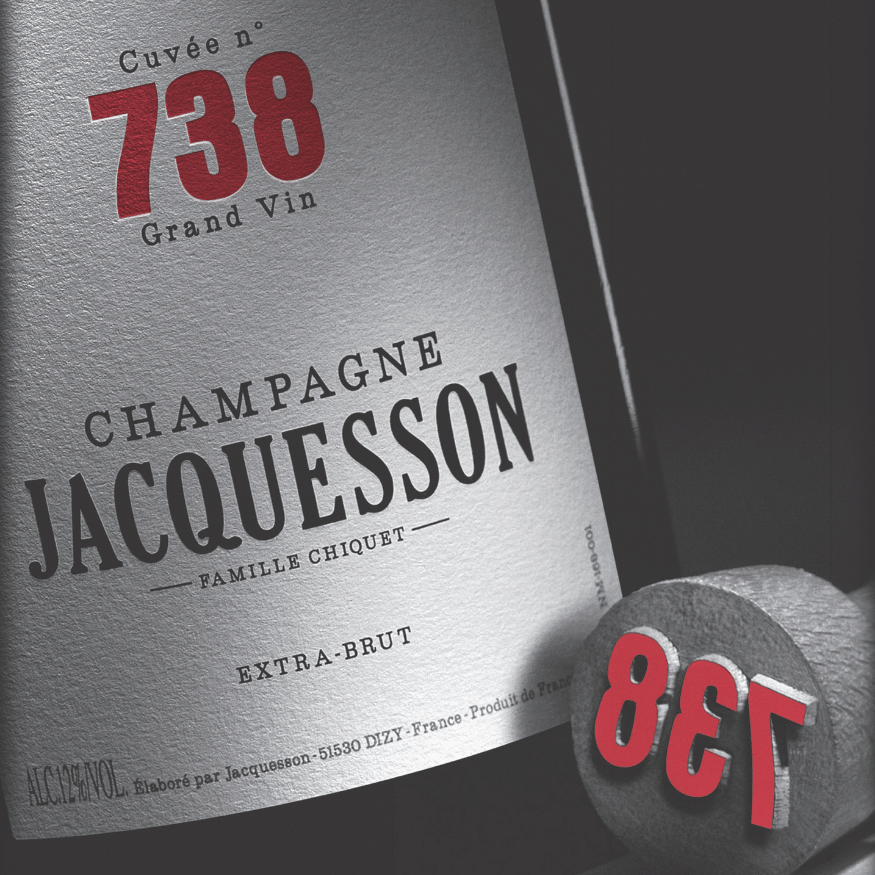
The first release under the numbered cuvée system was Cuvée 728. Instead of presenting non-vintage Champagne as an anonymous blend, Jacquesson began identifying each release individually and including detailed technical information on the label. According to Hunt, “They ushered in a new culture of transparency.” The move fundamentally changed perceptions of Champagne.
Consumers could now understand what they were drinking, while sommeliers could discuss dosage, vineyard sources and vintage conditions in the same way they might discuss fine Burgundy. The approach also made something previously impossible possible, “For the first time, you could do a vertical tasting of a non-vintage Champagne and have it actually make sense.”
Tasting the wines
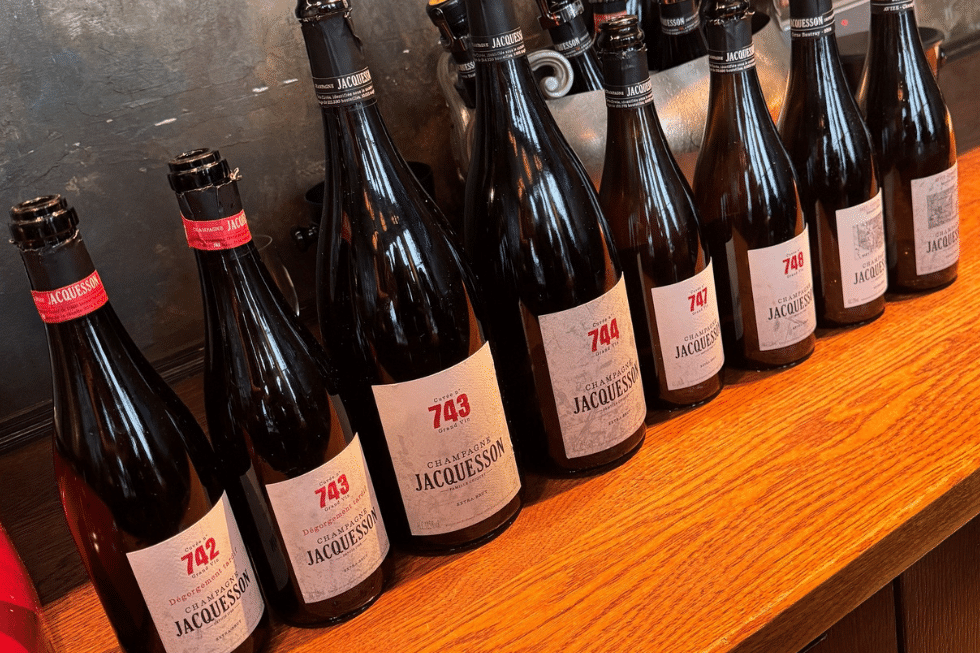
The current release highlighted the freshness of the 2020 vintage despite extreme warmth and an August harvest. Hunt described it as: “Fresh, savoury, dense and strongly mineral.” The low dosage philosophy remains central to Jacquesson’s style. “You barely need to dose these wines any more than you need to dose a Grand Cru Chablis.”
At just 2g/L dosage, 748 demonstrated how concentration and vineyard quality allow balance without relying on sweetness.
The more Pinot-driven 747 reflected the challenges of the growing season of 2019, when frost and mildew particularly affected Chardonnay. Comparing the two wines, Hunt noted: “The important thing is that they taste different.” He emphasised that Jacquesson is not trying to make radically different wines each year merely to prove a point. “There is still a house style. The goal is simply to make the best wine possible at that moment.”
The difficult birth of a revolution
While critics embraced the new philosophy almost immediately, selling the wines proved more complicated. Hunt vividly recalled the challenge: “We spent years running around London trying to explain why this was a good idea.” Merchants and restaurateurs struggled to understand why a non-vintage Champagne should suddenly be more expensive if it wasn’t intended to taste the same.
“We lost plenty of customers. But we gained better ones.” Over time, however, the market caught up. “Imitation is the sincerest form of flattery.” Hunt pointed to producers such as Krug, Laurent-Perrier and Louis Roederer, all of whom have since adopted the same system of cuvées.
One of the tasting’s highlights was the comparison between Cuvée 743 and its late-disgorged counterpart. For Hunt, the appeal of these wines goes beyond complexity. “The Dégorgement Tardif doesn’t shout. You have to lean into it.” Comparing the two versions he observed, “The original says, ‘Ta-da, here I am.’ The DT asks for your attention.”
He argued that this ability to reveal itself gradually is what ultimately defines premium wine. “If a wine holds your attention, if it moves you and unfolds layer after layer, then it’s worth more.”
Single-vineyard wines and the importance of place
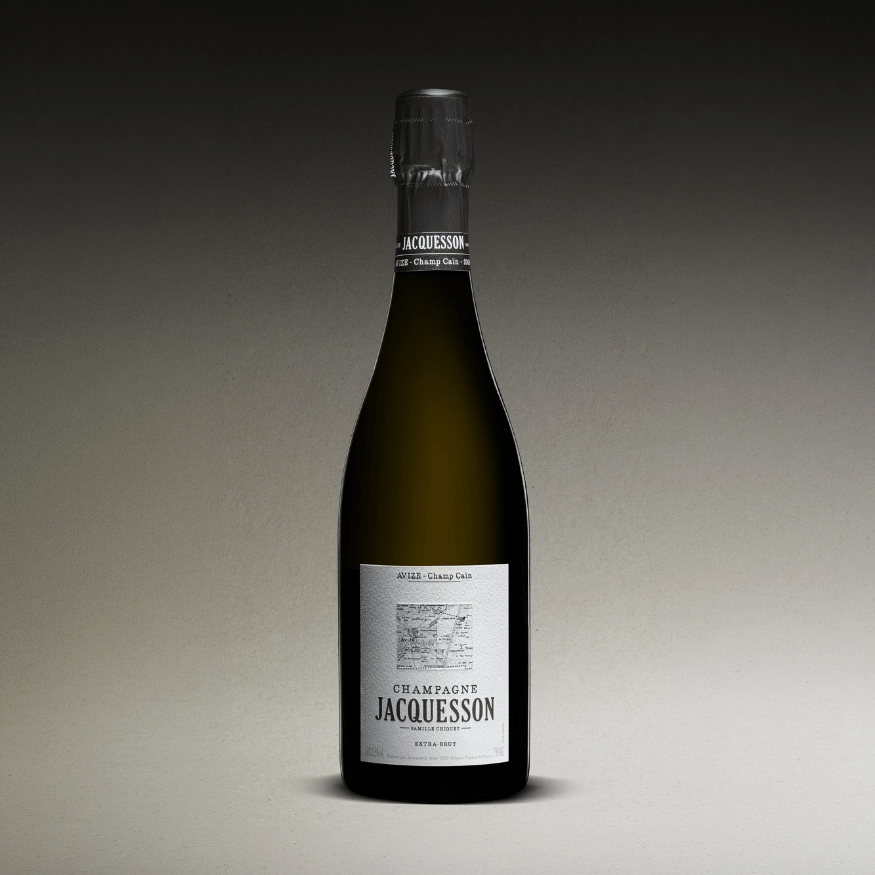
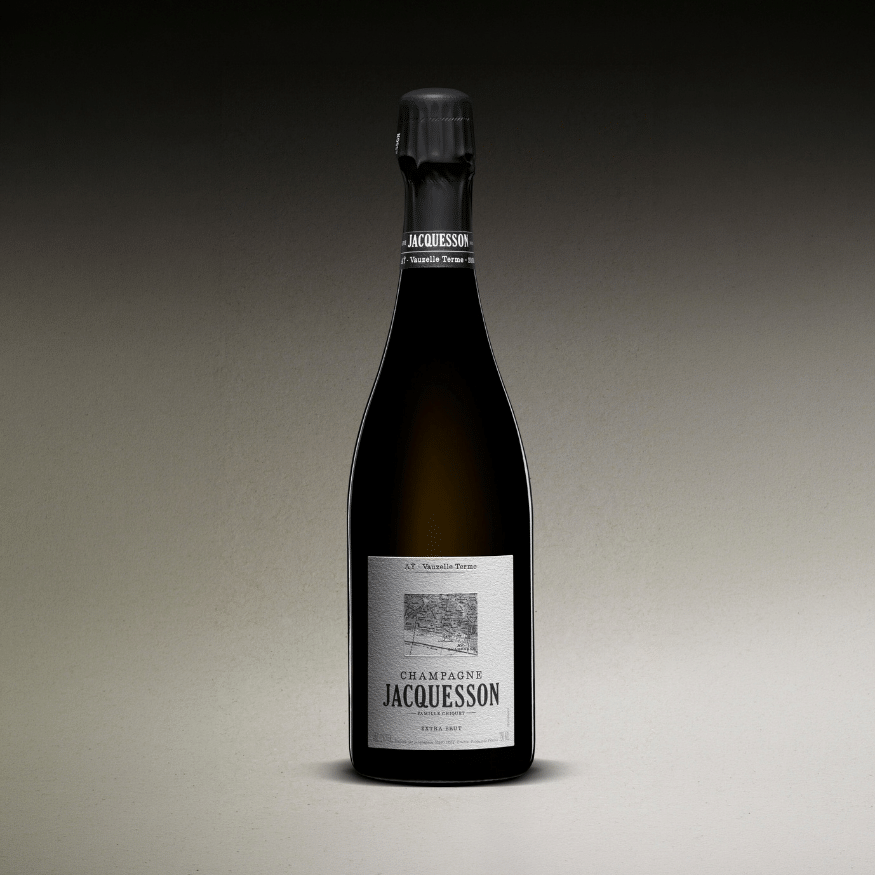
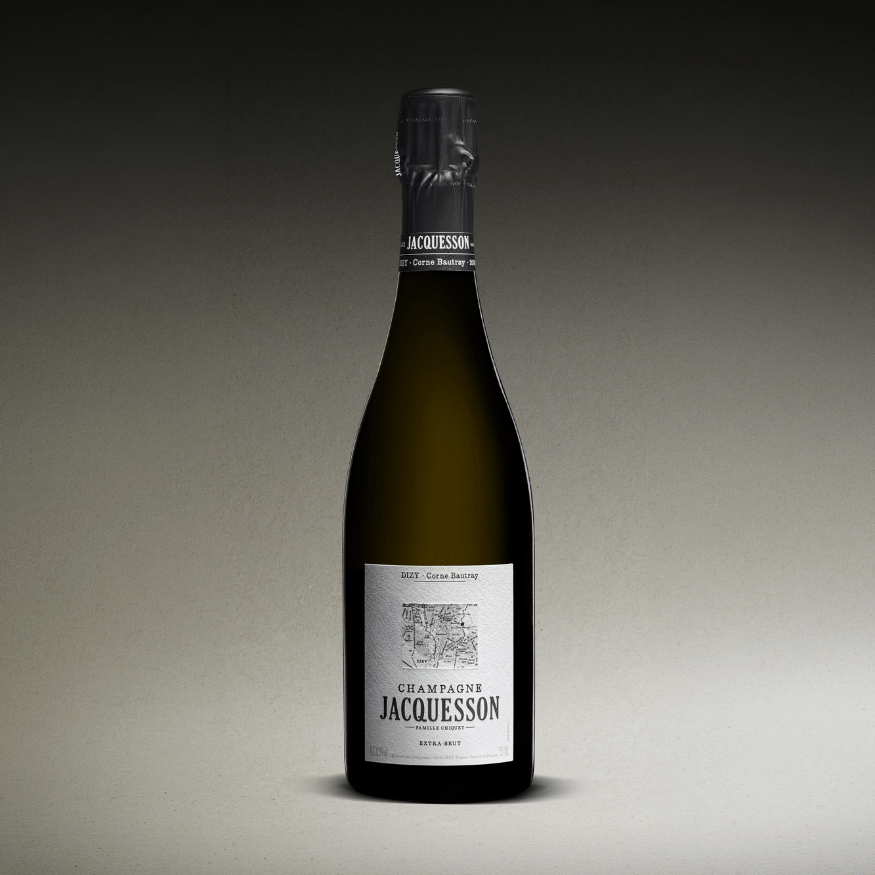
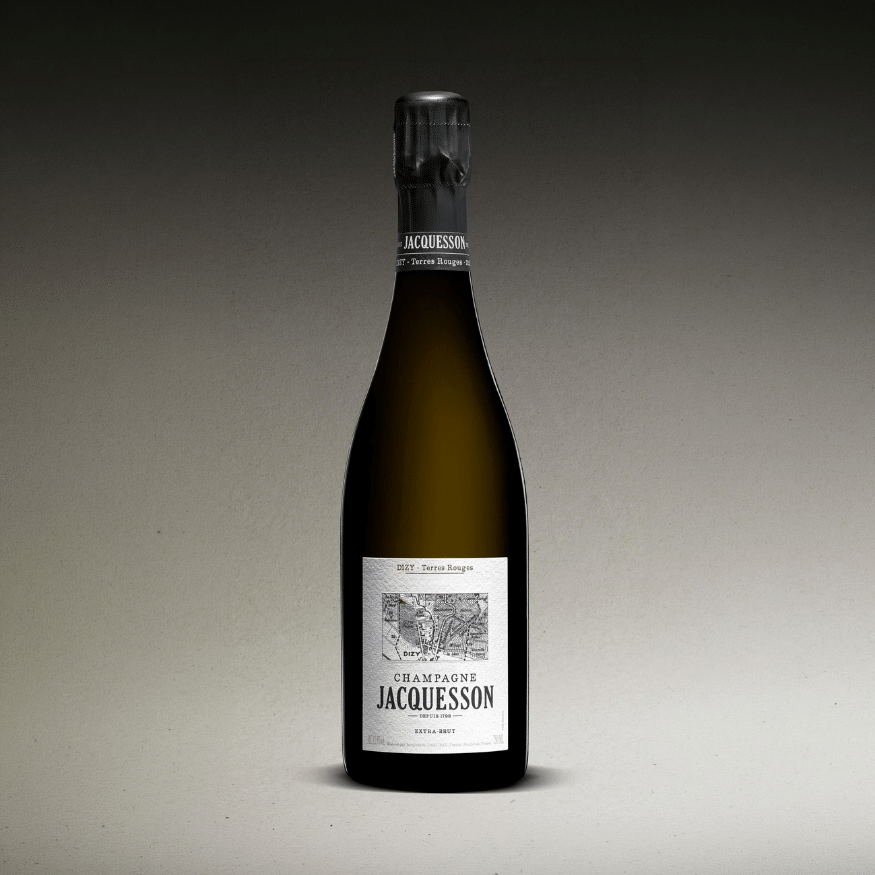
The tasting concluded with two single-vineyard Chardonnays: Dizy Corne Bautray and Avize Champ Caïn. For Hunt, these wines represent the ultimate expression of a core Jacquesson philosophy. Rather than focusing on grape varieties, the house seeks to foreground terroir. “We’re more interested in the land than the vessel.”
Comparing the two sites, he encouraged attendees to focus on the finish rather than the attack. “The truth is in the aftertaste.” It is there, he suggested, that fruit recedes and terroir becomes most clearly visible. In Corne Bautray, that meant generosity and breadth; in Avize, chalk, precision and tension.
Influential innovator
More than two centuries after its founding, Jacquesson remains one of Champagne’s most influential innovators. Through numbered cuvées, transparent labelling, low-intervention winemaking and a commitment to vineyard expression, the house has redefined what non-vintage Champagne can be. As Alex Hunt MW concluded, the philosophy is ultimately very simple: “The objective isn’t to make the same wine every year. The objective is to make the best wine possible from what nature gives you.”